avatarShawn Forno

Free AI web copilot to create summaries, insights and extended knowledge, download it at here

2970

Abstract

f it’s been a while. Enjoy.</p> <figure id="675f"> <div> <div> <img class="ratio" src="http://placehold.it/16x9"> <iframe class="" src="https://cdn.embedly.com/widgets/media.html?src=https%3A%2F%2Fwww.youtube.com%2Fembed%2FxNjyG8S4_kI%3Ffeature%3Doembed&amp;display_name=YouTube&amp;url=https%3A%2F%2Fwww.youtube.com%2Fwatch%3Fv%3DxNjyG8S4_kI&amp;image=https%3A%2F%2Fi.ytimg.com%2Fvi%2FxNjyG8S4_kI%2Fhqdefault.jpg&amp;key=a19fcc184b9711e1b4764040d3dc5c07&amp;type=text%2Fhtml&amp;schema=youtube" allowfullscreen="" frameborder="0" height="480" width="854"> </div> </div> </figure></iframe></div></div></figure><p id="9a87">But…why is elevator music even a thing? Why has a smooth jazz soundtrack become an essential part of an elevator?</p><p id="8fec">The answer is simple and yet hints at something surprisingly complex. Because the truth is that elevator music wasn’t designed for you to <i>enjoy</i>.</p><p id="fe43">It was engineered to make your emotions — and your behavior — easier to <i>control</i>.</p><h1 id="6573">The White Noise of the Modern World</h1><p id="8956">When Squier founded Muzak he had a simple goal. He wanted to create an “appealing soundscape to <a href="https://youtube.com/shorts/iC3nAZZ-UD0?feature=share">shape the emotions and motivations</a> of those who heard it.”</p><p id="faf9">That’s right.</p><p id="5c6c">Easy listening wasn’t created so that people would relax. It was created to calm the emotions of large crowds of people in public spaces like retail stores, supermarkets, and yes, elevators.</p><p id="128d">And that’s a very important difference.</p><p id="1734">Muzak — unlike actual music — is meant to blend into the background. You <i>hear</i> it, but you don’t have to actually <i>listen</i> to it. And that effortless background music lulls most of us into a state of serenity where the things that normally stress you out — like riding in an elevator — just don’t matter as much.</p><p id="8f2d">Which is great if you’re in an elevator.</p><p id="5c7f">But shop owners and urban planners quickly discovered another important side effect that happened when they piped muzak into stores and public spaces.</p><p id="ac88"><a href="https://www.smh.com.au/entertainment/music/how-shops-use-music-to-get-into-your-head-and-make-you-spend-20170712-gx9i3t.html">People buy more stuff when they’re relaxed</a>.</p><p id="d922">And before you know it, elevator music was seemingly everywhere.</p><h1 id="d571">Why ‘Atmospherics’ are Everywhere</h1><p id="3488">Squier (probably) wasn’t a supervillain. It’s objectively a good thing that smooth jazz makes it less likely for you to have a panic attack in an elevator.</p><p id="345a">But the knock-on effects of creating music that successfully alter people’s behavior opened the floodgates of for-profit emotional manipulation. And within a few short years of Squier’s discove

Options

ry, marketers had deployed dozens of other so-called “<a href="https://www.investopedia.com/terms/a/atmospherics.asp">atmospherics</a>” to shape our spending habits.</p><p id="fc7e">And they work really well.</p><p id="0cf9">“There’s no playlist that just makes people spend money, but you can affect people’s attitude within a place with music,” said Ray Medhurst. Medhurst is a playlist producer for Mood Media which <a href="https://www.smh.com.au/entertainment/music/how-shops-use-music-to-get-into-your-head-and-make-you-spend-20170712-gx9i3t.html">makes music playlists</a> for stores, restaurants, and lobbies.</p><p id="e908">Adrian North, a social psychology professor at Curtin University in Perth claims that music can “turn a 50/50 decision into a 51/49 decision.”</p><p id="dedd">A 1% difference might not sound like much, but just like a casino, just nudging the odds in favor of the house can drastically increase profits for retailers when it happens a few million times a day.</p><h1 id="904a">People Want the Illusion of Safety</h1><p id="cf56">Elevators have a <a href="https://www.latimes.com/health/la-xpm-2011-dec-15-la-heb-elevator-safety-death-201112115-story.html">fatality rate of 0.00000015% per trip</a>, according to <i>The L.A. Times.</i></p><p id="b1bb">That’s almost one in a billion.</p><p id="3e52">Elevators are so safe in fact, that the only people likely to be killed or injured by an elevator are <a href="https://lawyer1.com/blog/elevator-installers-and-repairers-are-among-construction-occupations-with-highest-injury-rate/">elevator repairmen</a>.</p><p id="9cff">But people didn’t magically decide to trust elevators 80 years after they were invented because they were convinced that elevators are safe. The sad truth is that millions of people calmly ride elevators today because the smooth jazz music lulls us into believing that nothing could go wrong in a room that’s so … <i>boring</i>.</p><p id="0ac6">We are all far more susceptible to the little things that make up the “background” of our modern world. Things that we barely notice like billboards, notifications, and elevator music.</p><p id="2988">But they’re all still there. And they’re doing exactly what they were designed to do.</p><p id="8118">So the next time you’re in an elevator or shopping mall, try to pay attention to how the background music makes you feel. Because the white noise of the modern world is a lot more interesting — and intentional — than you think.</p><p id="cef8"><i>Shawn Forno is a travel writer with 15+ years of experience who just wrote the book on California (literally) for Lonely Planet. He’s been a content manager for creators like Matt D’Avella and travel brands like Tortuga Backpacks and Unbound Merino. <a href="mailto:[email protected]">Shoot him an email</a> if you want to work together or check out the <a href="https://www.youtube.com/c/DaysWeSpend">travel channel</a> he runs with his wife.</i></p></article></body>

Elevator Music has a Surprisingly Dark History

How ‘easy listening’ spawned an entire industry of emotional manipulation
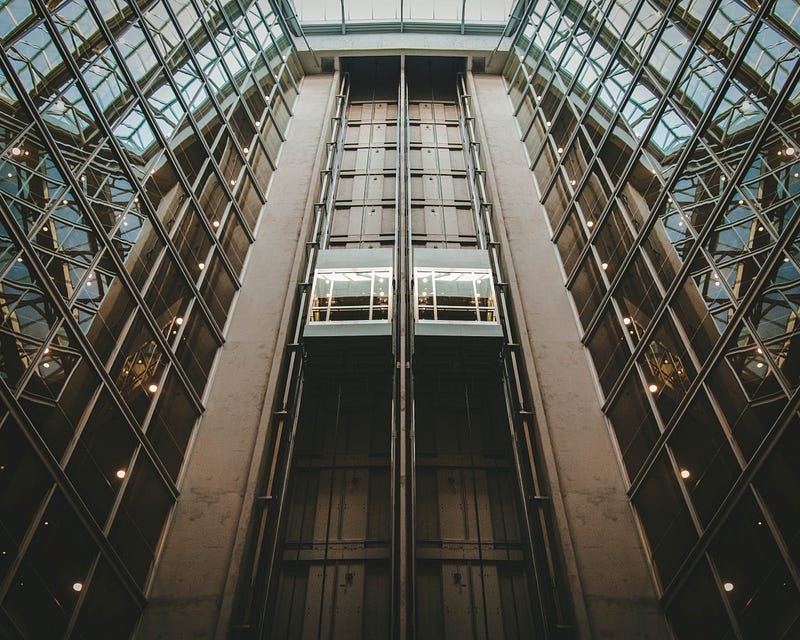
Photo by Mahad Aamir on Unsplash

Nobody likes change.

So it should be no surprise to learn that a lot of people weren’t exactly excited to ride the first elevators after Elisha Graves Otis invented a safety brake in 1852 that made modern elevators possible.

Which makes sense. Elevators must have been a tough sell for people who still rode horses everywhere.

But as high-rise buildings became the norm in the late 19th and early 20th century, riding in a tiny box hundreds of feet in the air with nothing but a thin cable to keep you from plummeting to your death became part an important part of modern life.

And despite decades of familiarity with elevators, many people still hated them.

Then after nearly a century of elevator-induced panic, someone finally came up with a way to make us less afraid of the “lift”. And they did it in quite possibly the most boring way possible.

With smooth jazz.

The Invention of Elevator Music

Most people take elevator music for granted.

You get in an elevator, close the doors, press a button, and politely listen to a Kenny G understudy serenade you with mild-mannered saxophone grooves until you reach the 12th floor. Big whoop, right?

But that wasn’t always the case.

For nearly 80 years, elevators — like most other people movers — were completely silent. Because why wouldn’t they be?

It wasn’t until 1934 when Major General George Squier founded the music label “Muzak” that the genre of music we know as “easy listening” burst onto the scene and into our elevators.

And our relationship with elevators — and the rest of the modern world — changed forever.

Why Was Elevator Music Invented?

The term “elevator music” is so recognizable that it’s a shorthand for something so boring that you barely even notice it. It’s literal background music. White noise. Unimportant drivel.

And elevator music isn’t just an American thing.

You can find remarkably similar elevator music in shopping malls in Singapore, dentist offices in Peru, and elevators in Dubai. Here’s a little elevator music playlist to jog your memory if it’s been a while. Enjoy.

But…why is elevator music even a thing? Why has a smooth jazz soundtrack become an essential part of an elevator?

The answer is simple and yet hints at something surprisingly complex. Because the truth is that elevator music wasn’t designed for you to enjoy.

It was engineered to make your emotions — and your behavior — easier to control.

The White Noise of the Modern World

When Squier founded Muzak he had a simple goal. He wanted to create an “appealing soundscape to shape the emotions and motivations of those who heard it.”

That’s right.

Easy listening wasn’t created so that people would relax. It was created to calm the emotions of large crowds of people in public spaces like retail stores, supermarkets, and yes, elevators.

And that’s a very important difference.

Muzak — unlike actual music — is meant to blend into the background. You hear it, but you don’t have to actually listen to it. And that effortless background music lulls most of us into a state of serenity where the things that normally stress you out — like riding in an elevator — just don’t matter as much.

Which is great if you’re in an elevator.

But shop owners and urban planners quickly discovered another important side effect that happened when they piped muzak into stores and public spaces.

People buy more stuff when they’re relaxed.

And before you know it, elevator music was seemingly everywhere.

Why ‘Atmospherics’ are Everywhere

Squier (probably) wasn’t a supervillain. It’s objectively a good thing that smooth jazz makes it less likely for you to have a panic attack in an elevator.

But the knock-on effects of creating music that successfully alter people’s behavior opened the floodgates of for-profit emotional manipulation. And within a few short years of Squier’s discovery, marketers had deployed dozens of other so-called “atmospherics” to shape our spending habits.

And they work really well.

“There’s no playlist that just makes people spend money, but you can affect people’s attitude within a place with music,” said Ray Medhurst. Medhurst is a playlist producer for Mood Media which makes music playlists for stores, restaurants, and lobbies.

Adrian North, a social psychology professor at Curtin University in Perth claims that music can “turn a 50/50 decision into a 51/49 decision.”

A 1% difference might not sound like much, but just like a casino, just nudging the odds in favor of the house can drastically increase profits for retailers when it happens a few million times a day.

People Want the Illusion of Safety

Elevators have a fatality rate of 0.00000015% per trip, according to The L.A. Times.

That’s almost one in a billion.

Elevators are so safe in fact, that the only people likely to be killed or injured by an elevator are elevator repairmen.

But people didn’t magically decide to trust elevators 80 years after they were invented because they were convinced that elevators are safe. The sad truth is that millions of people calmly ride elevators today because the smooth jazz music lulls us into believing that nothing could go wrong in a room that’s so … boring.

We are all far more susceptible to the little things that make up the “background” of our modern world. Things that we barely notice like billboards, notifications, and elevator music.

But they’re all still there. And they’re doing exactly what they were designed to do.

So the next time you’re in an elevator or shopping mall, try to pay attention to how the background music makes you feel. Because the white noise of the modern world is a lot more interesting — and intentional — than you think.

Shawn Forno is a travel writer with 15+ years of experience who just wrote the book on California (literally) for Lonely Planet. He’s been a content manager for creators like Matt D’Avella and travel brands like Tortuga Backpacks and Unbound Merino. Shoot him an email if you want to work together or check out the travel channel he runs with his wife.

History
Behavior Change
Psychology
Music
Emotions
Recommended from ReadMedium