avatarJohn P. Weiss

Free AI web copilot to create summaries, insights and extended knowledge, download it at here

3483

Abstract

, beauty, and art. Most people tell you that buildings are inanimate objects, but I’m not sure. Maybe they have their own souls? Perhaps they miss us when we leave them?”</p><p id="8a72">The abandoned house on my street makes me feel the same way I did about that old greenhouse.</p><p id="0b12">When we sold our previous house last summer, I remember the last day I stood inside it. All of our furniture and possessions were in storage, and the house was very still. As I walked about the tile floors, the heels of my shoes echoed throughout the house.</p><p id="a3cd">Finally, I stood there alone, reminiscing about the last few years living there.</p><p id="9e82">And before I locked the doors, never to return, I said aloud, “Well, I guess this is goodbye. Thank you, old friend, for looking after us.”</p><p id="ec09">I put my hand against the front door, looked around one last time, and said, “You’re a fine house, but our needs have changed now. Take care of whoever comes next.”</p><p id="a958">And as I closed and locked the door, I whispered, “Take care of yourself.”</p><h2 id="7ae0">Refuge of memories, love, and hope</h2><p id="31a1">There’s a lovely old Paul Williams song titled, <a href="https://ptlbma.fh33.fdske.com/ec/gAAAAABl2Ffs4LwfFzKKAx9LCpqNjnoM1KUjFNRxBaID_xvjfZ_WGV71CZQNGU-subzvc1hHrNy594bF6eqOsU71VhF4aqZP-D-wR8I_H-Y-68QW2fkahiPQrO1UZMQT1G8WcRlpUq443rxNLrIUvspjaHZsxEWwNIxLDM8Wf4kHNbMYZSYnuN9uKu0AoMv6-m1HSN6oribIVL3bv2MCeczVIxMpKFNd_e6PGSuJAk3JqcLxJc7bBbHgkM4NfgUts6fwNTcqBgIJuBKW4GSMEI_v6DcrENBYpc6V6I7yV6HsB7oC1HSq-GbFlGDKCarZdys5p8MdEolS6n7kyAEAikGMQIw6f_ILEx152X5AXAAmdNSBhGKKja8="><i>“A Little Bit of Love.”</i> </a>It opens with the following lyrics:</p><blockquote id="5f15"><p>She’s the kind who says goodbye to houses When she’s leaving them for good Thinks about the beauty of the forest When she burns a piece of wood Says hello to strangers And every hungry stray weighs on her mind Sees good in everybody That few of us would take the time to find She says every act of kindness Is a little bit of love we leave behind</p></blockquote><p id="2743">Paul Williams is not well known today, but he is a sensitive, brilliant songwriter who wrote award-winning songs like <i>“We’ve Only Just Begun”</i> for the Carpenters, and <i>“Evergreen,”</i> which he co-wrote with Barbra Streisand.</p><p id="e721">It’s funny the weird connections our minds make.</p><p id="e4d0">I thought of Paul Williams’ song <i>“A Little Bit of Love”</i> with its lyrics, <i>“She’s the kind who says goodbye to houses / When she’s leaving them for good,”</i> one night when I strolled past the abandoned house on my street.</p><p id="1ac5">I wondered if the elderly woman said goodbye to her house, with all its history and memories, as they wheeled her off to the care facility. My home is my sanctuary, and to be forced to leave it for good would bring me tremendous anxiety and grief.</p><p id="7b1d">So, I take that frightening thought, and I shape it into gratitude.</p><p id="b20c">Gratitude, for the home my wife, son, and I live in, with its library, animal companions, piano, garden, mountain views, and little writing office.</p><p id="5370">Gratitude that I don’t have to say goodbye to my home.</p><p id="6bae">Gratitude does much to sustain us, especially in the winter of our lives, when illness and loss seem to hover like wolves just outside our door.</p><p id="4461">So we bolt the door, hold each other tight, and relish every day in our safe refuge of

Options

memories, love, and hope.</p><h2 id="1b2e">The sunset from an old and distant dawn</h2><p id="93d0">Years ago, during a landscape painting workshop in Idaho, our instructor (Scott L. Christensen) played the music of folksinger and songwriter Cheryl Wheeler in his studio.</p><p id="1aed">There was something magic in Wheeler’s voice and lyrics.</p><p id="617a">One song that moved me back then and today is her piece, “<i>Quarter Moon.”</i> It’s about an old couple that used to be Wheeler’s neighbors. And Wheeler would visit them sometimes, in their garden.</p><p id="2619">The song captures some of the beauty of marriage in the later years of life. The simple pleasures of knowing your spouse well. Enjoying the garden. Gifting plants to neighbors. Burying your beloved dog in the backyard. Standing on your own. Knowing the sunset <i>“from an old and distant dawn”</i> is coming, but holding on anyway.</p><p id="0ba7">Take a moment, if you can, to listen to this poignant song, and its lyrics of love, companionship, and melancholy.</p> <figure id="5b84"> <div> <div> <img class="ratio" src="http://placehold.it/16x9"> <iframe class="" src="https://cdn.embedly.com/widgets/media.html?src=https%3A%2F%2Fwww.youtube.com%2Fembed%2FHT9vVMkYfiQ%3Ffeature%3Doembed&amp;display_name=YouTube&amp;url=https%3A%2F%2Fwww.youtube.com%2Fwatch%3Fv%3DHT9vVMkYfiQ&amp;image=https%3A%2F%2Fi.ytimg.com%2Fvi%2FHT9vVMkYfiQ%2Fhqdefault.jpg&amp;key=a19fcc184b9711e1b4764040d3dc5c07&amp;type=text%2Fhtml&amp;schema=youtube" allowfullscreen="" frameborder="0" height="480" width="640"> </div> </div> </figure></iframe></div></div></figure><p id="073e">I’ve lived in many homes, and each holds experiences and memories across the landscape of my life.</p><p id="f910">I don’t know if the house I’m in now will be my last, but if so, I hope I’m granted many more years here. Decades to relish these days with my wife, son, animals, garden, sunsets, books, writing, and more.</p><p id="31bf">Like the Cheryl Wheeler song, my wife and I seem to know each other very well.</p><p id="9058">I’ll bet the elderly woman who used to live down the street knew her husband very well, too. I’ll bet it was devastating when he died. And even more so when she had to leave her home, her refuge of memories, love, and hope.</p><p id="ceac">It’s why I wrote this elegy for an old house.</p><p id="b507">Because we’re all old houses. Aging structures, full of experiences and memories. Foundations shaped by childhoods. Failing body parts like aging household appliances. Still standing on our own, cherishing every day with gratitude.</p><p id="e2c8">Just like an old house and its last remaining roses mourn the loss of the homeowner, we too will mourn the loss of our home. Someday it will happen.</p><p id="3fea">The sunset from an old and distant dawn comes for us all.</p><p id="42a6"><i>(First published <a href="https://johnpweiss.com/blog/192750/elegy-for-an-old-house">here</a>)</i></p><figure id="ab2e"><img src="https://cdn-images-1.readmedium.com/v2/resize:fit:800/1*ta5QTVxZbQufeJ9yX_JheQ.jpeg"><figcaption></figcaption></figure><p id="6c86">I’m John P. Weiss. I write elegant stories and essay about life, which pair nicely with a cup of coffee and quiet weekend reflection. Check out my free <i>Saturday Letters</i> <a href="https://johnpweiss.com/email-newsletter"><b>here.</b></a></p></article></body>

Elegy for an Old House

Refuge of memories, love, and hope
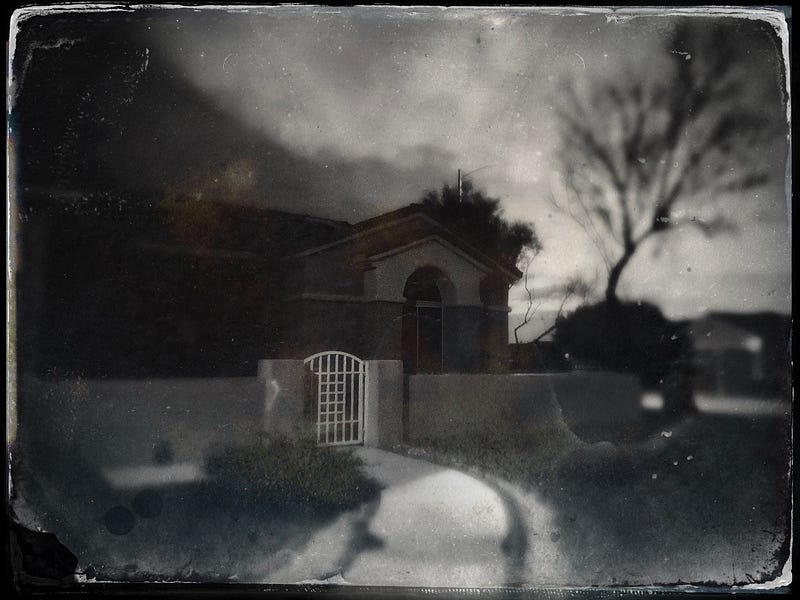
“The Old House.” Photo: John P. Weiss

There’s a cluster of neglected roses down the street from me keeping vigil for an elderly woman who’s never coming back.

I walk past the abandoned house every day on my dog walks. Something sad and haunting emanates from the house, as if it’s silently weeping but you still sense the grief.

The irrigation system must be shut off, as all the shrubs around the house are dying and desiccated. And yet the roses in the front patio are still there. Perhaps the recent rains helped, or maybe the roses loved the old woman more than the other dying garden inhabitants.

Maybe they’re holding on, convinced she’ll return.

I moved into the neighborhood this last summer and never had the chance to meet the woman who once lived in the house.

Neighbors tell me she was old, alone, feeble, and sent to a care facility. Her husband died years before. If she has relatives, none have tended to the house.

And so the plants die, like forgotten memories, and the weeds grow like cancer to erase the last vestiges of her garden handiwork.

The side gate to the house is ajar as if the woman briefly left the garden to fetch a glass of water or lunch. Her garden gloves sit crumpled, dirty, and abandoned along the stone steps. Do they wonder where she’s gone, and whether they’ll ever slip back on her frail, spindly hands?

I don’t think so. I think they gave up.

But not the roses.
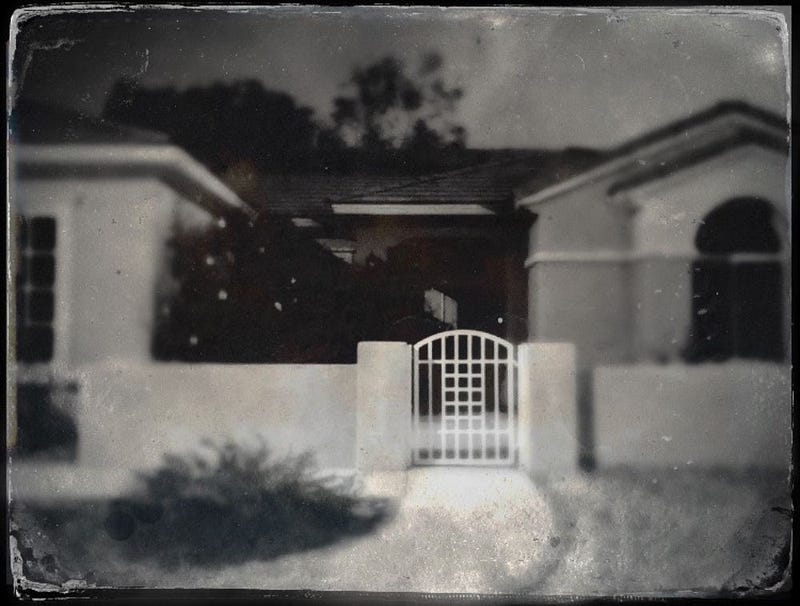
“Roses keeping vigil.” Photo: John P. Weiss

The white roses in front are in full bloom, handsome, and proud despite their dry branches below. They want to look their best when she comes back.

But maybe they’re beginning to lose hope, too.

Perhaps they miss us when we leave them?

There’s an essay in one of my books titled, “The Flower of Your Life Will Wither Without Care.”

The essay is about an old, seemingly forgotten greenhouse I used to explore in the woods not far from my childhood home. The greenhouse had a sad presence. I felt sorry for it, with its left behind pots, abandoned painting easel, and rusted garden tools.

I wrote the following about the greenhouse:

“Each breeze felt like a whisper, or perhaps a prayer, that someday life would return to this forgotten place of refuge, beauty, and art. Most people tell you that buildings are inanimate objects, but I’m not sure. Maybe they have their own souls? Perhaps they miss us when we leave them?”

The abandoned house on my street makes me feel the same way I did about that old greenhouse.

When we sold our previous house last summer, I remember the last day I stood inside it. All of our furniture and possessions were in storage, and the house was very still. As I walked about the tile floors, the heels of my shoes echoed throughout the house.

Finally, I stood there alone, reminiscing about the last few years living there.

And before I locked the doors, never to return, I said aloud, “Well, I guess this is goodbye. Thank you, old friend, for looking after us.”

I put my hand against the front door, looked around one last time, and said, “You’re a fine house, but our needs have changed now. Take care of whoever comes next.”

And as I closed and locked the door, I whispered, “Take care of yourself.”

Refuge of memories, love, and hope

There’s a lovely old Paul Williams song titled, “A Little Bit of Love.” It opens with the following lyrics:

She’s the kind who says goodbye to houses When she’s leaving them for good Thinks about the beauty of the forest When she burns a piece of wood Says hello to strangers And every hungry stray weighs on her mind Sees good in everybody That few of us would take the time to find She says every act of kindness Is a little bit of love we leave behind

Paul Williams is not well known today, but he is a sensitive, brilliant songwriter who wrote award-winning songs like “We’ve Only Just Begun” for the Carpenters, and “Evergreen,” which he co-wrote with Barbra Streisand.

It’s funny the weird connections our minds make.

I thought of Paul Williams’ song “A Little Bit of Love” with its lyrics, “She’s the kind who says goodbye to houses / When she’s leaving them for good,” one night when I strolled past the abandoned house on my street.

I wondered if the elderly woman said goodbye to her house, with all its history and memories, as they wheeled her off to the care facility. My home is my sanctuary, and to be forced to leave it for good would bring me tremendous anxiety and grief.

So, I take that frightening thought, and I shape it into gratitude.

Gratitude, for the home my wife, son, and I live in, with its library, animal companions, piano, garden, mountain views, and little writing office.

Gratitude that I don’t have to say goodbye to my home.

Gratitude does much to sustain us, especially in the winter of our lives, when illness and loss seem to hover like wolves just outside our door.

So we bolt the door, hold each other tight, and relish every day in our safe refuge of memories, love, and hope.

The sunset from an old and distant dawn

Years ago, during a landscape painting workshop in Idaho, our instructor (Scott L. Christensen) played the music of folksinger and songwriter Cheryl Wheeler in his studio.

There was something magic in Wheeler’s voice and lyrics.

One song that moved me back then and today is her piece, “Quarter Moon.” It’s about an old couple that used to be Wheeler’s neighbors. And Wheeler would visit them sometimes, in their garden.

The song captures some of the beauty of marriage in the later years of life. The simple pleasures of knowing your spouse well. Enjoying the garden. Gifting plants to neighbors. Burying your beloved dog in the backyard. Standing on your own. Knowing the sunset “from an old and distant dawn” is coming, but holding on anyway.

Take a moment, if you can, to listen to this poignant song, and its lyrics of love, companionship, and melancholy.

I’ve lived in many homes, and each holds experiences and memories across the landscape of my life.

I don’t know if the house I’m in now will be my last, but if so, I hope I’m granted many more years here. Decades to relish these days with my wife, son, animals, garden, sunsets, books, writing, and more.

Like the Cheryl Wheeler song, my wife and I seem to know each other very well.

I’ll bet the elderly woman who used to live down the street knew her husband very well, too. I’ll bet it was devastating when he died. And even more so when she had to leave her home, her refuge of memories, love, and hope.

It’s why I wrote this elegy for an old house.

Because we’re all old houses. Aging structures, full of experiences and memories. Foundations shaped by childhoods. Failing body parts like aging household appliances. Still standing on our own, cherishing every day with gratitude.

Just like an old house and its last remaining roses mourn the loss of the homeowner, we too will mourn the loss of our home. Someday it will happen.

The sunset from an old and distant dawn comes for us all.

(First published here)
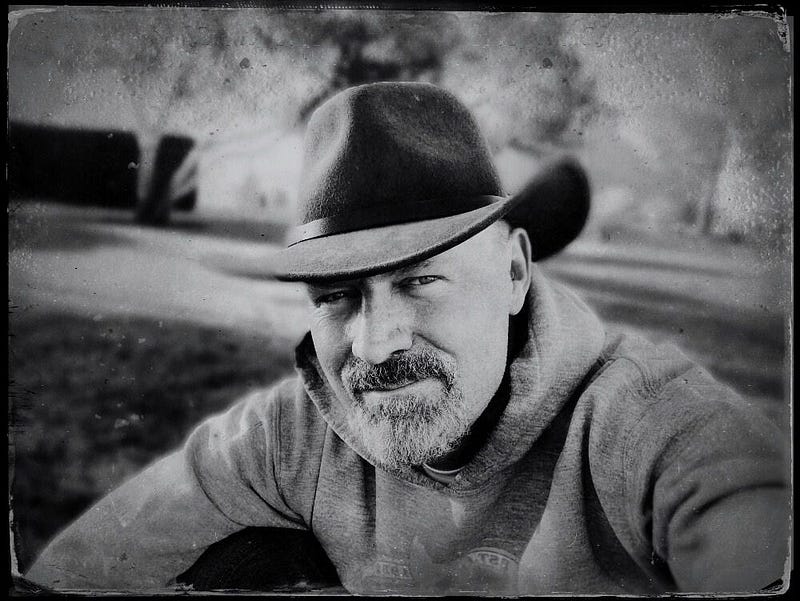
I’m John P. Weiss. I write elegant stories and essay about life, which pair nicely with a cup of coffee and quiet weekend reflection. Check out my free Saturday Letters here.

Life
Life Lessons
Inspiration
Love
Self Improvement
Recommended from ReadMedium