Summary
"Electric Trees" is a poignant poem reflecting on the intensity of lost love and the lingering impact of a partner's departure.
Abstract
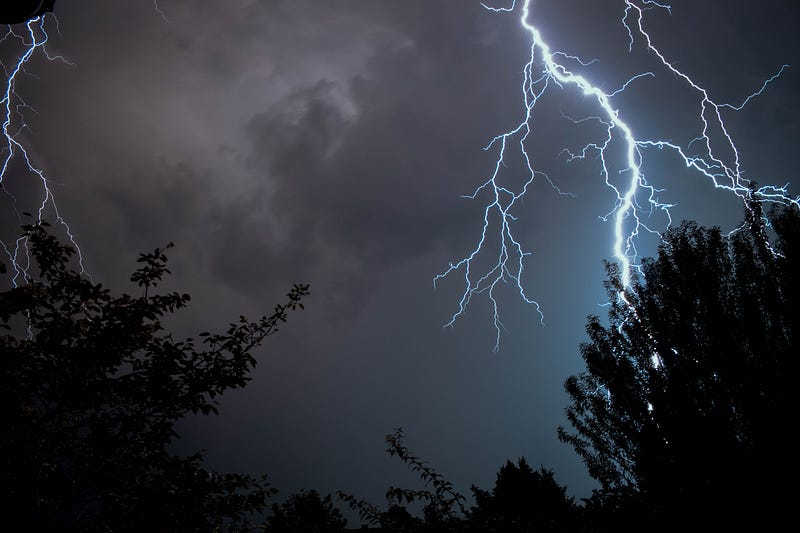
The poem "Electric Trees" captures the essence of a powerful yet painful love, comparing the speaker's love interest to natural phenomena like electric trees and the sun. The speaker is deeply affected by the memory of the loved one, who is depicted as radiant and vibrant, yet ultimately someone who chose to leave and walk alone. The poem conveys a sense of regret and longing, as the speaker reflects on the time spent in the shadow of the loved one's "purple flame," and anticipates a future where the echoes of their relationship will be reduced to the scratches on an old record. The emotional landscape of the poem is one of heartbreak and nostalgia, with the speaker grappling with the absence of their beloved and the silence left in their wake.
Opinions
- The speaker holds the loved one in high esteem, using vivid and powerful imagery to describe their presence.
- There is a sense of self-reproach for having lived in the shadow of the loved one's light, suggesting a feeling of wasted time or missed opportunities.
- The poem reflects a deep sense of loss and heartbreak, with the speaker mourning the absence of the loved one who left to "lug her fire back home."
- The imagery of "electric trees" and "sun" suggests an almost overwhelming energy and vibrancy associated with the loved one.
- The speaker seems to be in a state of liminality, caught between the past filled with the loved one's "old hums" and an uncertain future signified by the "silent gray morning."
- The use of the color purple for the loved one's "flame" may imply a complex, possibly tumultuous love, as purple is often associated with royalty, mystery, and spirituality.