
Eight Months of ChatGPT, How this Tool Have Change your Job?
The Present and Future of Work
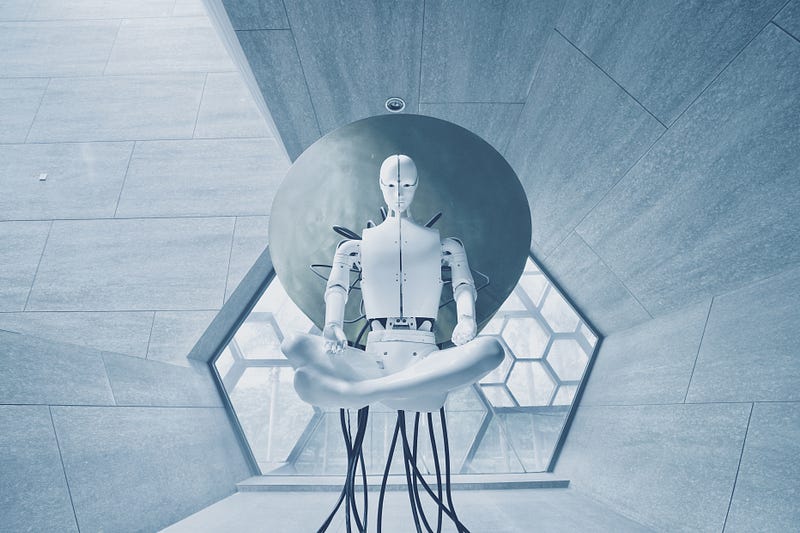
Over the past eight months since the introduction of ChatGPT, it is astounding to reflect on the rapid pace of technological advancements in the field of natural language processing and AI. Within this relatively short timeframe, we have witnessed significant progress in ChatGPT’s language understanding capabilities, marking a remarkable stride forward. From enhanced comprehension to improved contextual understanding and the generation of more coherent and accurate responses, the evolution of ChatGPT is a testament to the continuous innovation in AI research. Furthermore, the constant learning and updating of ChatGPT’s knowledge base have ensured that the model remains equipped with the latest information across various domains. This rapid development underscores the immense potential of AI technology and raises exciting possibilities for its future applications in shaping the way we interact with and benefit from intelligent systems.
ChatGPT has demonstrated significant improvements in its language understanding capabilities, paving the way for more effective and intelligent interactions. The advancements in comprehension have allowed the model to grasp the nuances and subtleties of user queries, enabling it to provide more accurate and contextually relevant responses. This leap in contextual understanding has been particularly notable, as ChatGPT now excels in maintaining a coherent conversation flow and better grasping the user’s intent, resulting in more meaningful and engaging interactions.
One of the key drivers behind ChatGPT’s progress lies in its continuous learning and knowledge base updates. Over the 8-month period, the model has undergone extensive training on vast amounts of new data, enabling it to stay up to date with the latest information across a wide range of domains. This constant exposure to new information empowers ChatGPT to provide more accurate and informed responses to user inquiries. By drawing upon an ever-expanding knowledge base, the model has become more adept at addressing a diverse array of topics and handling complex queries, thereby enhancing its overall performance and reliability as a conversational AI system.
The continuous learning process not only ensures ChatGPT’s familiarity with current information but also allows it to adapt and improve over time. Through ongoing updates and fine-tuning, the model can refine its language understanding capabilities, address any biases, and correct misconceptions. This iterative process contributes to the model’s ability to generate more coherent and accurate responses, making interactions with ChatGPT increasingly natural and valuable. By dynamically adapting to evolving language patterns and user needs, ChatGPT is continually honing its skills to deliver a more satisfying and engaging user experience.
Impact of AI on Jobs
The potential impact of AI on the job market is a topic of significant interest and concern. While it is true that automation driven by AI technology has the potential to replace certain jobs, it is essential to recognize that it also creates new opportunities. Studies and predictions have shed light on this complex dynamic, highlighting both the potential for job displacement and job creation.
Several reports and research studies have attempted to quantify the potential job displacement caused by AI. These studies analyze the tasks and roles that are most susceptible to automation and estimate the number of jobs that could be affected. While the numbers vary, they emphasize that certain routine and repetitive tasks are more likely to be automated, potentially leading to the displacement of some workers in those specific areas.
However, it is crucial to consider the flip side of the coin. AI also has the potential to create new jobs and reshape existing ones. As technology advances, new roles emerge that require human expertise, such as AI trainers, explainers, and ethical analysts. Additionally, AI can augment human capabilities and enhance productivity in various industries, leading to the creation of jobs that involve collaborating with AI systems. These new opportunities emphasize the need for individuals to adapt and acquire the necessary skills to work effectively alongside AI technologies.
Moreover, the impact of AI on the job market is not limited to job displacement and creation alone. It also influences the nature of work. As routine tasks become automated, there is a shift towards jobs that require uniquely human skills, such as creativity, critical thinking, emotional intelligence, and complex problem-solving. This shift presents an opportunity for individuals to develop and leverage these skills, fostering a more fulfilling and meaningful work environment.
The potential impact of AI on the job market is a complex and multifaceted issue. While some jobs may face displacement, new opportunities will arise, and the nature of work will evolve. It is crucial to consider these factors and proactively prepare for the changing job landscape. By focusing on upskilling, reskilling, and cultivating the skills that AI cannot replicate, individuals can position themselves to thrive in the era of AI and leverage the new opportunities that arise. Additionally, policymakers and organizations need to prioritize initiatives that facilitate the transition, ensuring a balanced and inclusive future of work.
Automation in Specific Industries
Automation and AI have already made significant inroads into various industries, transforming the way work is done and impacting the workforce. In the manufacturing sector, for instance, automation has revolutionized production lines, with robots performing tasks such as assembly, welding, and quality control. This shift towards automation has streamlined operations, increased efficiency, and reduced the need for manual labor, leading to potential job displacement for workers previously involved in those tasks.
In the healthcare industry, AI has shown promise in areas such as medical imaging, diagnostics, and personalized medicine. Automated systems can analyze medical images with great accuracy, aiding in the detection of diseases and assisting healthcare professionals in making informed decisions. While this can improve patient outcomes, it may also affect radiologists and other professionals whose roles involve image analysis, as some aspects of their work are now automated.
Transportation is another sector experiencing the impact of automation and AI. The development of autonomous vehicles has the potential to disrupt the job market for truck drivers, taxi drivers, and delivery personnel. Self-driving technology can replace human drivers in certain contexts, reducing the need for their services. However, it’s worth noting that new roles can also emerge in managing and maintaining autonomous vehicle fleets, as well as overseeing the safety and regulatory aspects of this technology.
Customer service is yet another area where automation and AI have made notable strides. Chatbots and virtual assistants can handle customer inquiries, provide support, and assist with basic tasks. This automation enables businesses to handle a large volume of customer interactions efficiently. While this can lead to a reduced need for human customer service agents in handling routine queries, it also frees them up to focus on more complex and specialized customer needs, emphasizing the importance of human interaction and empathy in customer service.
The implications of automation and AI in these industries and others are far-reaching. Job roles that are repetitive and rule-based are more susceptible to automation, while tasks that require creativity, critical thinking, and emotional intelligence remain challenging for AI to replicate. The workforce needs to adapt and acquire new skills to collaborate effectively with AI technologies. Upskilling in areas such as data analysis, problem-solving, and human-centered skills will become increasingly essential to remain relevant in the evolving job market.
Overall, automation and AI are reshaping industries by automating certain tasks and roles, which can have implications for the workforce. While job displacement is a concern, there are also opportunities for workers to transition into new roles that leverage their uniquely human skills. Adapting to the changing work environment and acquiring the necessary skills will be crucial for individuals and organizations to navigate the ongoing automation and AI revolution successfully.
Conclusion
In summary, this article has explored the future of work in relation to AI and automation. It has highlighted the potential impact of AI on the job market, acknowledging that while some jobs may be automated, new opportunities will also arise. The article has delved into specific industries where automation and AI are already being implemented, such as manufacturing, healthcare, transportation, and customer service, shedding light on the tasks and roles that are being automated and the resulting implications for the workforce.
And you? How have your job changed since the introduction of ChatGPT and similar AI technologies? Has this tool any influence on your current job? Leave a comment to explain your opinion!
Have you spent your learning budget for this month, you can join Medium here: