Summary
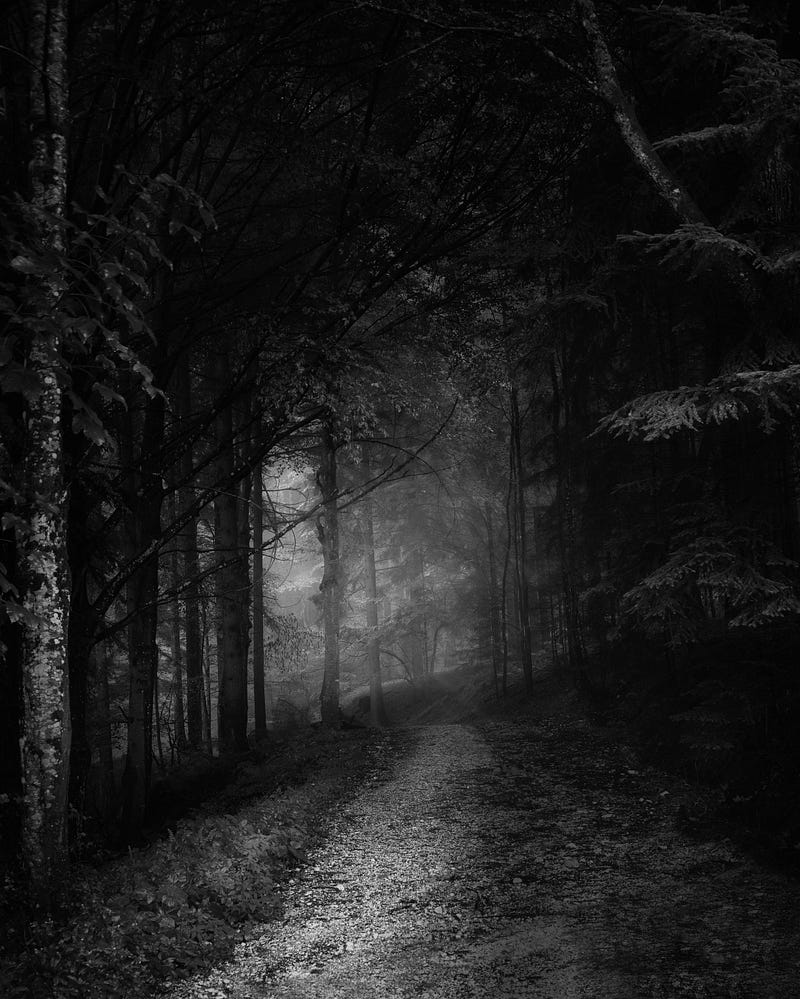
The text describes an eerie evening where silence and darkness pervade a house, hinting at a sinister presence that preys on those who sleep.
Abstract
The poem "Eerie Evening" paints a vivid picture of a quiet night where the ordinary sounds of a house are juxtaposed with an unsettling stillness. As darkness falls, the absence of human or animal presence suggests an ominous atmosphere. The silence is deceptive, as it implies the presence of a malevolent force that stealthily takes lives while the inhabitants sleep. The poem concludes with a chilling sense of finality, as the souls of the sleeping are harvested under the guise of night.
Opinions
- The author conveys a sense of foreboding through the contrast of the spinning fan's noise against the otherwise quiet house.
- The darkness and silence are personified, spreading across the house like a living entity.
- The poem suggests a supernatural or malevolent force that takes advantage of the sleeping occupants, indicating a sinister interpretation of peace and quiet.
- The final lines offer a grim perspective on the night's events, with a tone of acceptance or resignation to the inevitable.
- The poem evokes a sense of unease and the uncanny, playing with the theme of the familiar becoming unfamiliar and threatening.