
Education Justice is Social Justice
Views of Malcolm X on educational Injustice focusing on self-defense strategies for social advocates
By Merary Flores Galindo and Dr. Benjamin Drury
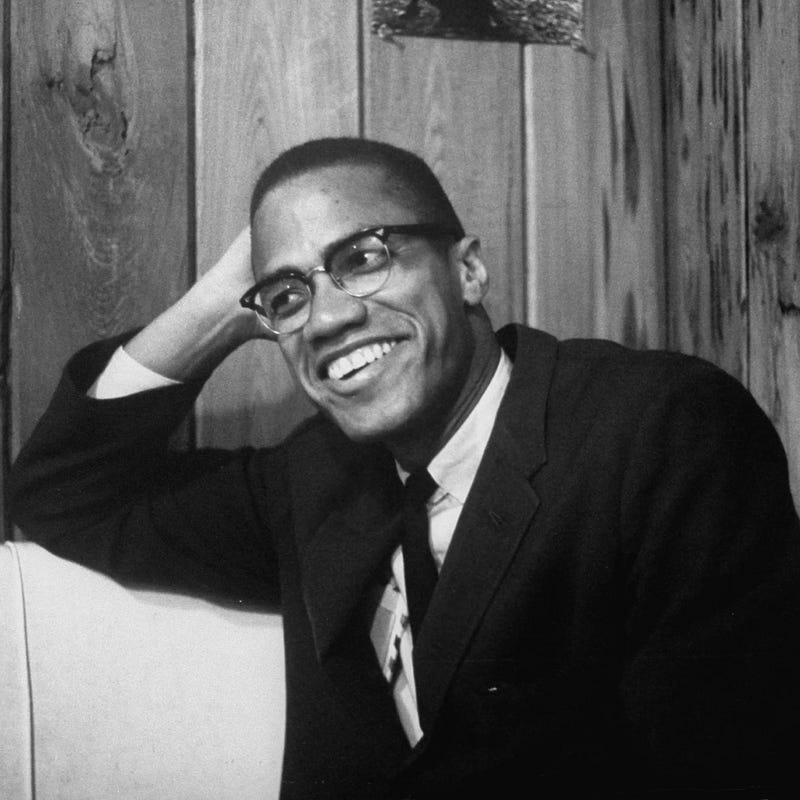
Malcolm X was a social justice advocate who has a particular interest in addressing the issue of racism in the United States. Malcolm X's philosophy on education and social change was deeply rooted in his advocacy for Black empowerment, self-defense, and the pursuit of justice by any means necessary. He believed that the Black community had the right to protect themselves against violence and oppression, even if it meant resorting to force. Malcolm X emphasized the importance of self-defense as a means of asserting one's dignity and demanding equal treatment. In his writings and speeches, Malcolm X expressed support for the Second Amendment and argued that Black individuals should form rifle clubs to defend their lives and property in times of emergency. He believed that in areas where Black people were constantly subjected to brutality without adequate protection from the government, self-defense was a legitimate response. By arming themselves and being prepared to defend their rights, Malcolm X saw it as a way for the Black community to reclaim their agency and stand up against unjust attacks.
Malcolm X believed that violence could be a necessary tool in the face of systemic oppression. He acknowledged that violence could create tension but argued that it had been historically employed to challenge social forces and powerful institutions, resulting in significant transformations in human civilization. Malcolm X believed that waiting for change to occur passively was a slow process and that taking matters into their own hands was essential for the Black community to secure their rights. Malcolm X's emphasis on self-defense and the pursuit of justice by any means necessary stemmed from the urgent need to address the systemic racism and injustices faced by Black Americans. He saw armed resistance to protect the Black community from further harm and to demand their rightful place in society. By advocating for self-defense, Malcolm X aimed to empower Black individuals to actively fight against prejudicial practices and ensure that future generations could enjoy their constitutional and human rights on an equal basis.
It is important to note that while Malcolm X promoted self-defense, his views evolved over time. After his pilgrimage to Mecca and exposure to a more inclusive form of Islam, his perspective shifted towards a belief in the potential for interracial cooperation and a more peaceful approach to social change. However, his emphasis on self-defense and the urgency of addressing systemic injustices left a lasting impact on the discourse surrounding racial equality and the methods employed to achieve it. Malcolm X's views on racism in schools were deeply critical of the educational system and the inherent injustices faced by Black students. He argued that schools, particularly those in predominantly Black communities, perpetuated systemic racism and failed to provide equal educational opportunities. According to Malcolm X, these schools were often underfunded, understaffed, and lacked the necessary resources to empower Black students and prepare them for success. Malcolm X believed that politicians and policymakers should prioritize addressing the structural inequalities within the educational system to bring about lasting change. He argued that merely focusing on superficial reforms or token gestures of integration would not suffice. Instead, he advocated for a comprehensive overhaul of the educational system that would ensure equal access to quality education for all, regardless of race or socio-economic background.
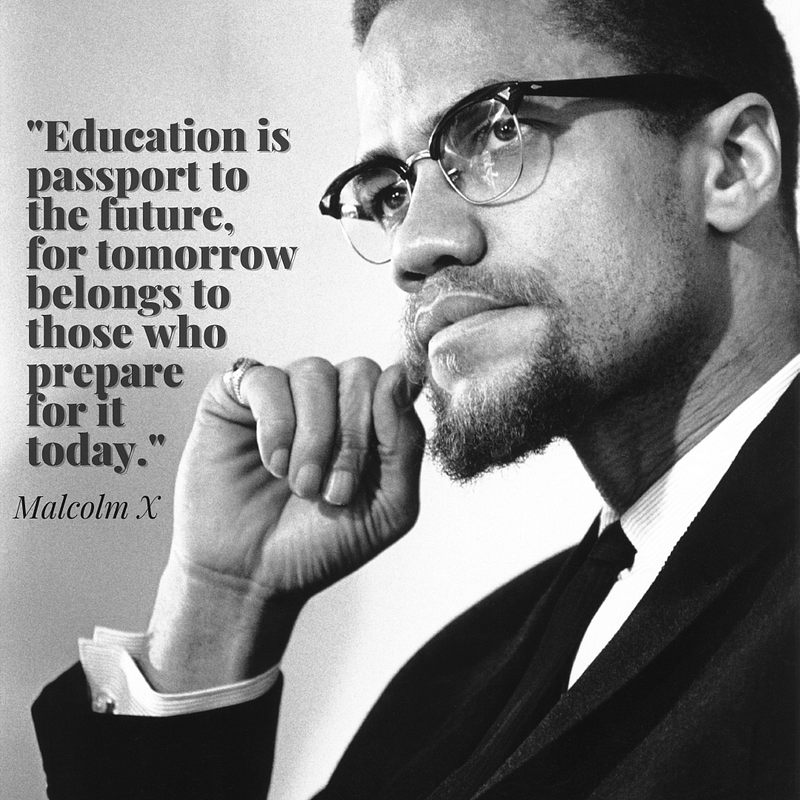
In Malcolm X's view, lasting educational change required a radical reimagining of the curriculum to include the histories, cultures, and contributions of Black Americans. He realized the educational system was deeply corrupt, and advancing any sort of progressive educational agenda on a school in the United States in the 1960’s was all but impossible. He believed that by incorporating diverse perspectives and empowering students to take pride in their heritage, the education system could help counteract the damaging effects of racism and cultivate a sense of self-worth among Black students. He criticized the role of white politicians and policymakers in addressing educational inequality and argued that the political establishment was often complicit in perpetuating racial disparities in education and that their efforts were inadequate in bringing about meaningful change. He also called for greater community control and involvement in shaping educational policies, highlighting the importance of grassroots movements and local initiatives to challenge systemic racism in schools. Malcolm X's vision for educational change extended beyond simply improving access to education. He believed that true transformation required addressing the broader socio-economic and political factors that contributed to educational disparities. He emphasized the need for economic empowerment and community development as essential components of an effective educational reform agenda. By addressing poverty, joblessness, and other systemic issues, Malcolm X believed that educational opportunities could be expanded and uplift communities.
Ovearll, Malcolm X's perspective on racism in schools called for a radical transformation of the educational system. He emphasized the importance of equitable funding, culturally responsive curriculum, and community involvement in shaping educational policies. By focusing on these areas, Malcolm X believed that politicians and policymakers could create lasting change and provide Black students with the tools and opportunities they needed to succeed academically and thrive in society.