
Education Is A Different Game These Days
Are teachers becoming glorified jugglers?
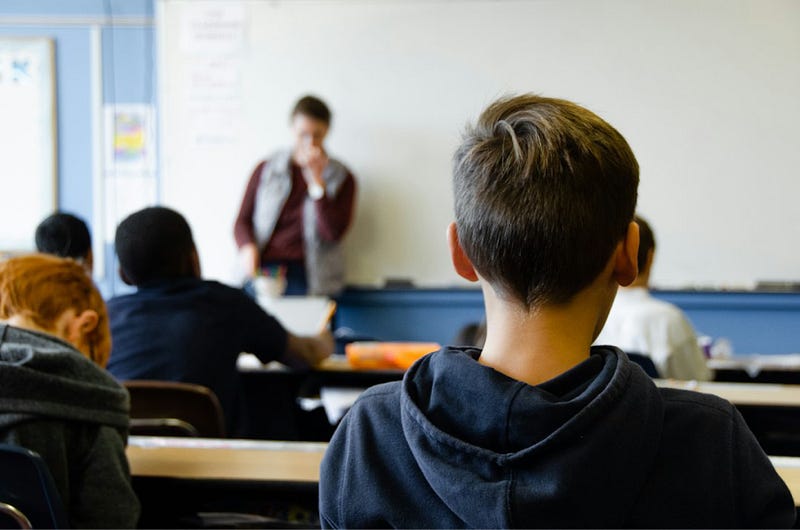
Working in education for over twenty years, I have experienced many changes in society. The culture of education itself has altered and schools have held spotlights on societal developments, sometimes before they even happened.
But is the process of educating the next generation of citizens the same as it used to be?
Well, that is a very difficult question to answer. Difficult for many reasons, but largely because the composition of those being educated has rapidly changed. In an era of technological obsession, young people are getting a lot of their education elsewhere, often online.
There is a changing dynamic in schools, caused by fresh attitudes to learning and variations in parenting methods. The disciplined parenting of the 1980s has been replaced by individual approaches which reflect a variety of values.
Schools are complicated places, full of challenges and plagued by problems such as bullying, poor attendance and mental health dilemmas.
Modern learners are a complex bunch
When I went to school, and indeed when I began my career, education was a process that happened to you. You started school, jumped through a series of hoops and ended up sitting a series of long and arduous exams, before emerging ready for either University studies or entering the workplace.
Times have changed. Education is less formal and technology offers alternative ways to absorb information.
Whereas you used to have to go to a library to research a piece of history homework, these days a world of information is at a young person’s fingertips. If you have a thirst for knowledge then you can quickly become somewhat an expert in a particular field. Without even entering a classroom.
To add to this, since the COVID 19 pandemic when remote learning temporarily replaced actual school attendance, pupils have been more reluctant to attend schools. Attendance data in the UK supports this fact.
Alongside this, some noticeable changes that have happened in the education system include:
- Contrasting attitudes. Generally you have two groups of parents: a) Fully involved ones who also often micromanage their kids’ learning pursuits. b) Parents who show little interest in their children’s’ education for a variety of reasons, including bad memories of school themselves, addiction and relationship problems.
- Better diagnostic tools mean that special educational needs are more widely recognized, creating extra challenges for teachers and teaching assistants, already burdened with continually unraveling red tape.
- Lateness and poor attendance causes pressure from local authorities and conflict with families. The News yesterday suggested that around 10,000 students are not allocated to a school in England (many of which are not accounted for as undergoing home schooling).
- Lack of funding is a massive issue. Staff absences due to stress and long term sickness means a constant payout to Supply teaching agencies and crumbling buildings are putting a huge burden on school budgets. The recent RAAC (Reinforced autoclaved aerated concrete) problem has meant that some school buildings have become obsolete or needed rebuilding.
- Increased awareness of societal issues such as gender, LGBTQ acceptance, political debates and climate change (all of which I totally applaud) have made pupils much more aware of their rights and willing to express themselves. This is not necessarily a problem but does require training for educators and often leads to staff having to deal with fallouts and parents who wish their children to be unaware of other cultures, sexualities and preferences.
This list is not exhaustive and only touches the edges of the complexity of the modern learning environment. A classroom is a melting pot of emotions, complex needs and conflicting attitudes.
In A Nutshell
As someone who has worked in various educational settings, including primary school, college and University, I have noticed just how quickly learning environments have changed over the past two decades.
Whereas traditional schools used to be fairly formal, uniformed and predictable, modern places of learning are full of energy, diversity and challenges.
I am passionate about education and keen to see our schools perform well. I long for inclusive places, where parents support teachers in encouraging learning, growth and independence.
But the reality is that the conflicts and bad press are leading to fewer applicants for teaching courses. This is leading to shortages of teachers in certain specialist subjects, such as Math’s and Science.
So yes, teachers are becoming jugglers. They are often teaching subjects they are not even qualified to teach. They are holding things together while the education system continues to crack.
Lack of sufficient pay rises, micromanaging and increased workload are further worsening the situation, stimulating strikes in the UK and causing many professionals to leave.
What are your thoughts on the future of education? In your experience, are schools becoming ever more challenging environments or do you believe they are better than ever?