
Edinburgh: The Intellectual Influencer
Following the footsteps of the Scottish literati.
The Contradictions
– Let’s play a game!
– What game?
– Associations.
– Ok!
– I’ll go first. Scotland.
– Kilts.
– Wrong.
– What do you mean wrong?
– Kilts are not Scottish.
– Yes, they are.
– No they’re not.
– Well, even if we suppose they weren’t, it’s still what I associate the country with.
– I’m telling you, neither kilts, nor tartan originate from Scotland. Same goes for whiskey.
– No way?!
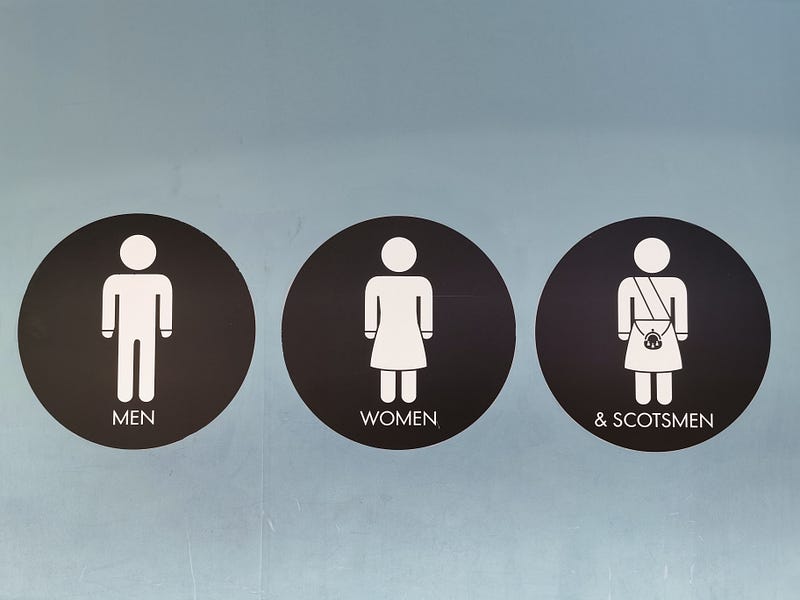
– True story! You see, Scotland is a country of contradictions. It’s best known for things it didn’t invent but excels in, such as whiskey, kilts, haggis, bagpipes, and tweed. But you’ll be surprised how many other things that people take for granted today, were actually invented by the Scots.
– Like what?
– For example, the TV, the phone, penicillin… and gin&tonic, of course. The funny thing is the country produces 9000 different malt whiskeys, yet there are no happy hours and it’s illegal to serve alcohol to a drunk person.
– You’re kidding!
– I’m not! I’m telling you, it’s a country full of contradictions.
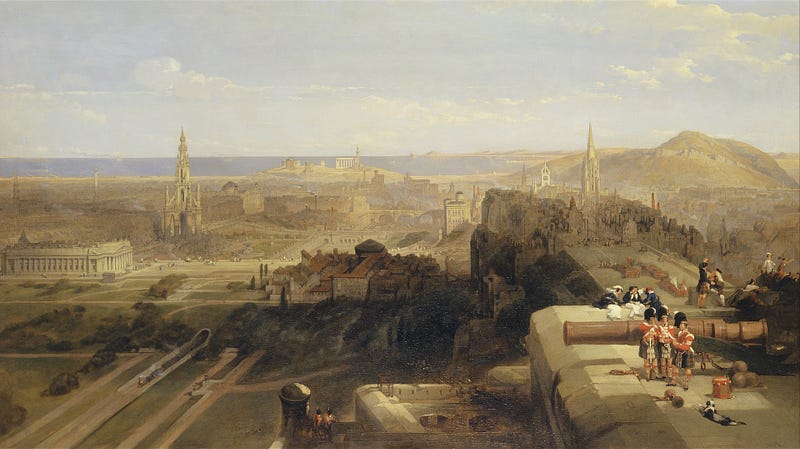
As we continue wandering the streets of Edinburgh, my friend enlightens me about the Scots and all my wrong perceptions. I could blame Hollywood and Braveheart because as it turns out — they also had it wrong, but I’ll take responsibility and bear the next few steps of shame.
There was no man in kilts on these lands during the 13th century. And even though Mel Gibson won the hearts of many by wearing one, the historical figure William Wallace was probably fighting in pants. But trust me, today Edinburgh is making up for that.
Welcome to Edinburgh
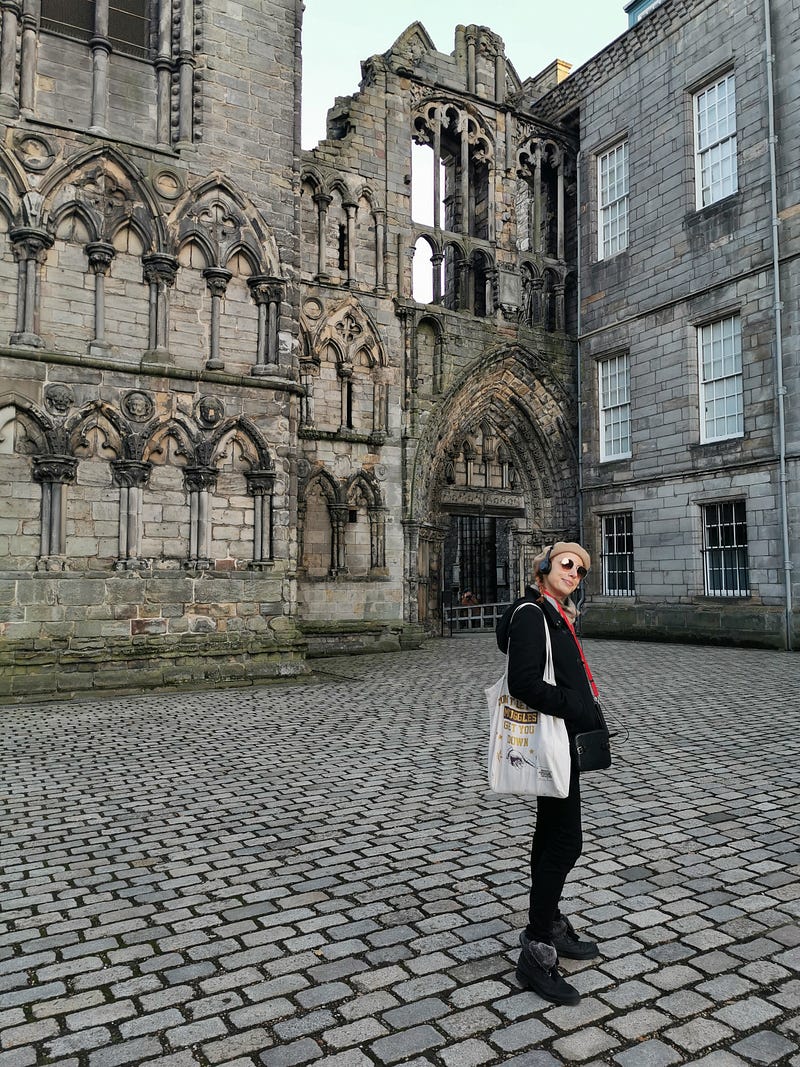
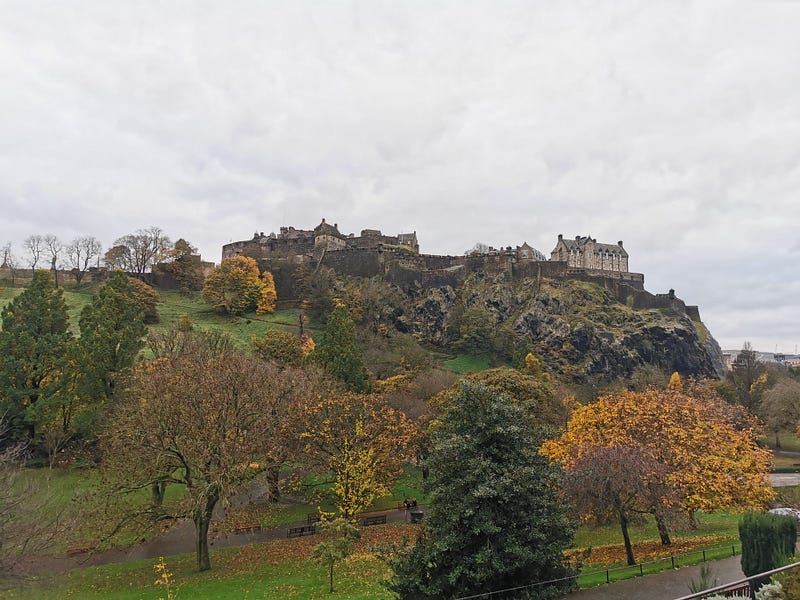
The city of Edinburgh is draped across a series of rocky hills overlooking the sea. It has the perfect balance between the amenities of a European capital and the charm of a small town. All you need is a day in this vibrant cultural hub to understand why it ranks so often among the most livable cities in the world. I, for one, fell in love with it straight away. To me, Edinburgh feels like the hug of a big cashmere scarf and the smell of a first-edition book.
Half a capital and half a country town, the whole city leads a double existence; it has long traces of the one and flashes of the other; like the king of the Black Isles, it is half alive and half a monumental marble.― Robert Louis Stevenson
Much like the duality of Stevenson’s book The Strange Case of Dr Jekyll and Mr Hyde, the capital of Scotland has its old and new parts of the city. I bridge from the new side to the old side, in the role of Miss Seek.
“If he be Mr Hyde”, he had thought, “I shall be Mr Seek.”― Robert Louis Stevenson
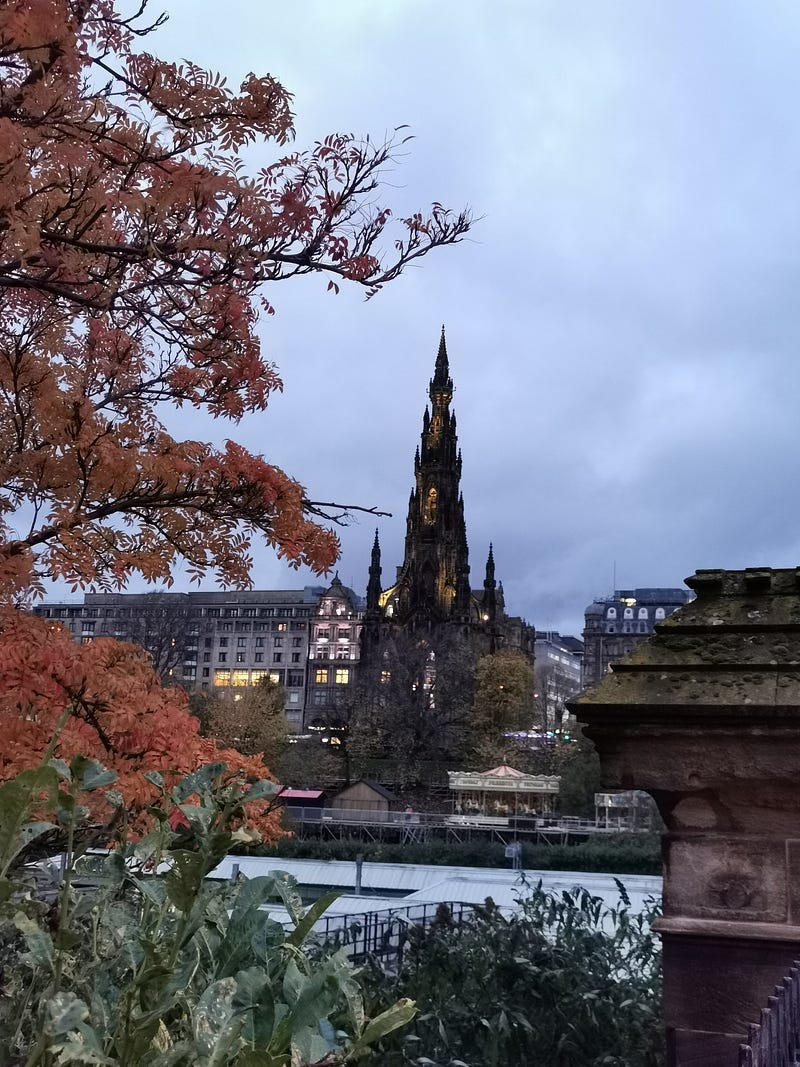
I am in search of what’s left from the Scottish literati. On my way, I pass by Sir Walter Scott’s epic monument. It’s a jaw-dropping 61-meter Gothic spire, impossible to ignore. Naturally, my first stop in the Old Town is the Writer’s Museum. It details the lives of Scotland’s 3 great literary figures:
- The national poet Robert Burns.
2. Robert Louis Stevenson, who distilled his adventures into evocative classics.
3. And the father of the romantic historical novel — Sir Walter Scott.
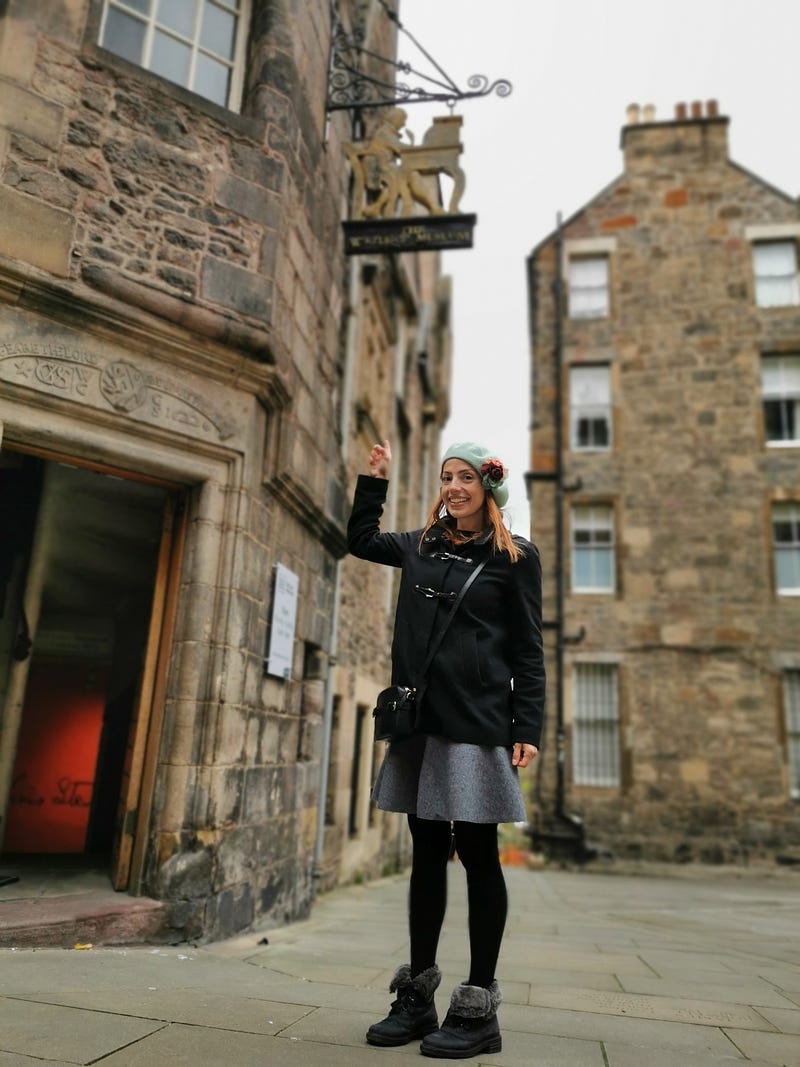
The Old town’s tall medieval buildings are crammed shoulder to shoulder with small alleys in-between called closes. While smuggling my way through one of those closes, I learn the origins of the phrase shit-faced.
A shitty story
Before the Enlightenment, there were the dark and smelly days of Edinburgh. The city was one of the most congested places in Europe and the poor were so wretched, they couldn’t even afford candles. People around here didn’t know each other by how they looked, but rather by how they smelled. They lived together with their animals and slept with them to keep warm at night. Back then Edinburgh had no plumbing system, so if one had to go to the toilet, one did so in a bucket.
Once upon a time, on a starry night, two specific things occurred. A blitzed (drunk) lad (guy) went out of a local pub, not only to fill his lungs with what was anything but fresh air but also to ask God Why?. One could only suppose what the nature of his questions was. Perhaps, it had something to do with the metaphysical. The important thing is that, as he begged for a divine answer, he tilted his head back and looked upon the sky.
In the meantime, the people who lived on top of the pub were preparing to go to bed. This meant that someone had to throw away the contents of the bucket that served as a toilet. And so, on that starry night, the eldest woman in the house threw away the stink from the bucket unintentionally, yet with graceful precision, over the drunk man down on the street. Now, that guy was no longer just drunk, no — he was shit-faced.
I wonder if the shit-faced man took that as an answer from God. Whatever the case, this man might have been the trigger of a revolutionary age, at the heart of which was questioning.
The Enlightenment
Throughout the 18th century, a desire to investigate and debate philosophical and scientific ideas in the public, free from the persecution of authoritarian institutions, spread across Europe. That period is known as the Enlightenment and Scotland made some powerful contributions to it thanks to the works of its literati.
The Scots produced original thinking in philosophy, literature, and economics, and made ground-breaking discoveries in science and medicine. Far from taking place in a vacuum, those achievements were born within a network of social and professional ties between people who were bounded by friendship and the search for truths.
Back then, the Scots had 5 universities, while the English only 2. Being a mecca for education, the country became the birthplace of influencers with a massive effect on the world. It was the Scottish who made the first cloned mammal, too — Dolly the Sheep, after Dolly Parton, of course.
The Influencers
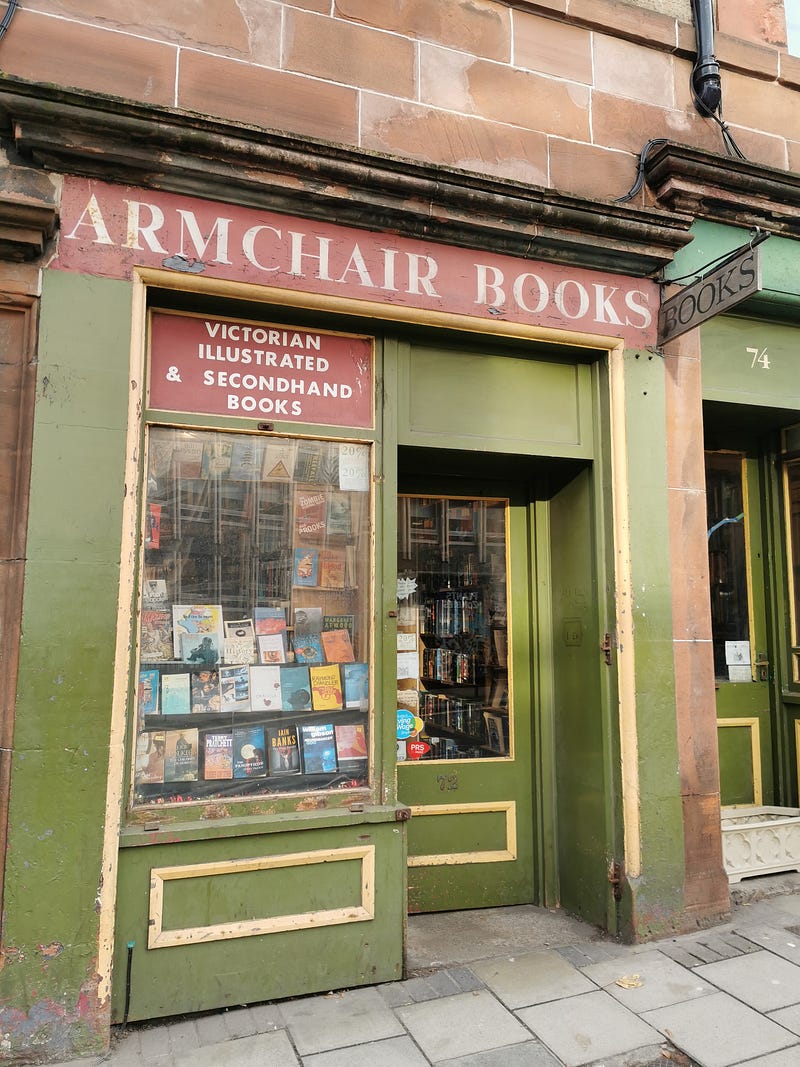
Today, @visitscotland has 1.5 million followers on Instagram. And even though social media has become a very effective way to affect people, the old-school influencers’ quality beats the new-age tech efficiency with its worldwide reach. But there is also a crossroad where old and new thrive together. One could observe it as modern-day Instagram influencers take photos next to the statues of Adam Smith, David Hume, Robert Fergusson and many more. As Scottish poet and author Tobias Smollett once said, Edinburgh is a hotbed of genius.
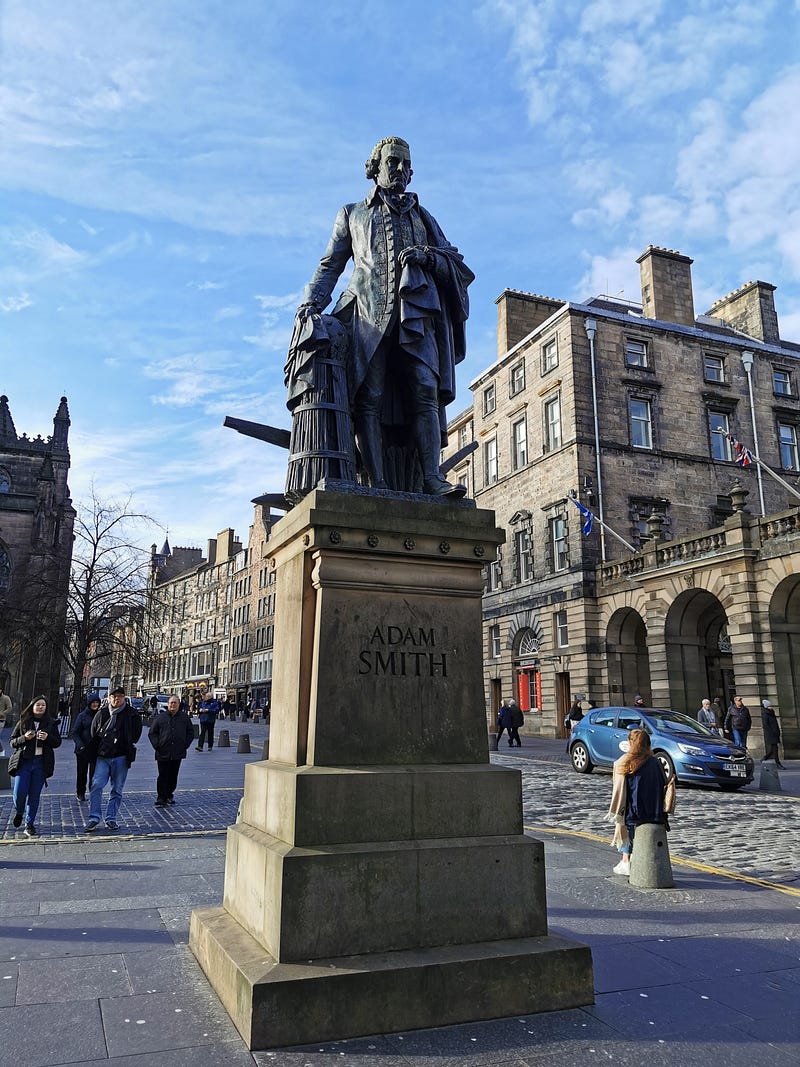
Words and thought transformed the city of Edinburgh from a crowded and miserable place, where people occasionally got shit-faced, into the first designated UNESCO City of Literature in the world. From Burns to Harry Potter, there are stories carved in the stones of the city, all you have to do is become Mr Seek. Some of the best stories are those buried in the cemeteries. They fascinate me so much that I make a tour of my own and visit the most iconic, drenched in intrigue resting places.
He-Who-Must-Not-Be-Named
We tend to change the subject when death becomes part of the discussion. Though inevitable, or maybe precisely because of that, people prefer to ignore death. But while that may be the mode, the statistics are full of exceptions.
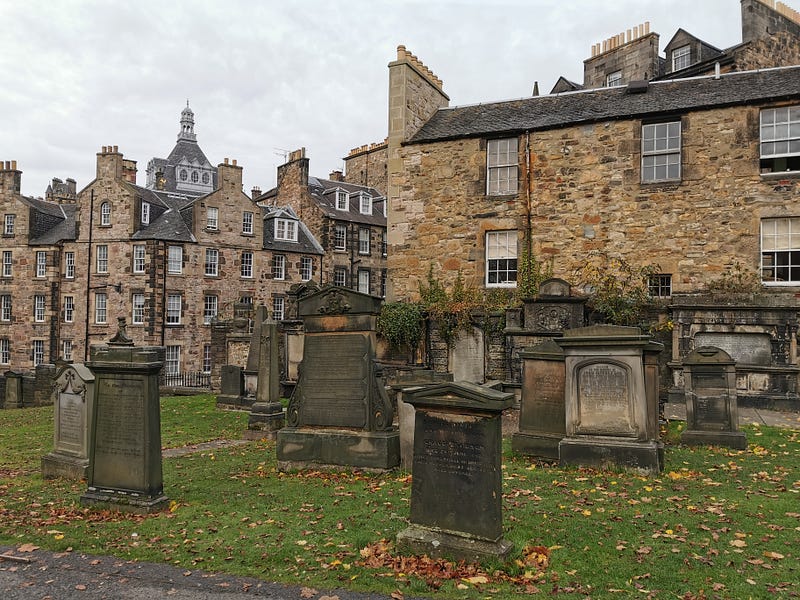
As I stroll across Edinburgh’s Greyfriars Kirkyard, I understand how those spooky places can influence us in a way that sparks our imagination and ignites our creative processes. I suppose J. K. Rowling did a similar stroll, for there seems to be a killer resemblance between the names of some of the graves here and some Harry Potter characters.
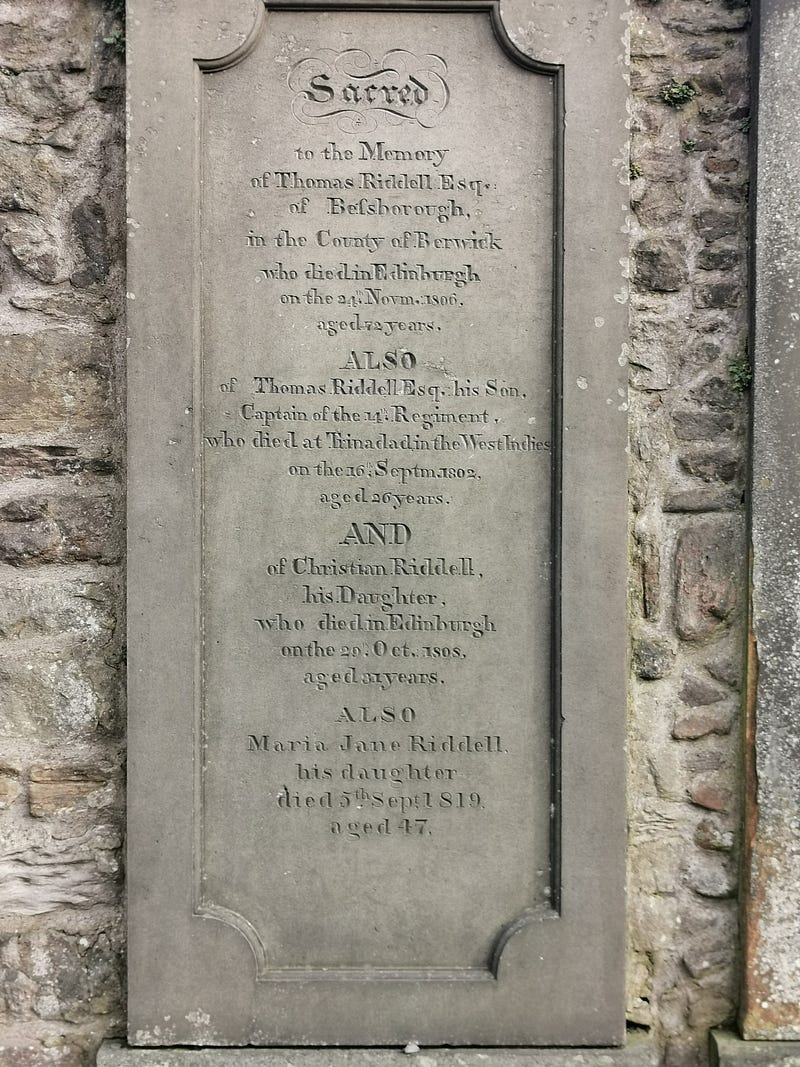
In the books, Lord Voldemort was born Tom Marvolo Riddle. There is a grave in Greyfriars Cemetery of Thomas Riddell — a general who died on 24 November 1806 at the age of 72. Could it be that the dead general influenced J. K. Rowling’s naming decisions?
I continue my stroll and stumble upon William McGonagall’s resting place. He was an Irish poet who lived and died in Edinburgh on 29 September 1902 at the age of 77. Could it be that his surname has inspired that of Professor Minerva McGonagall? And how about the grave of Mrs Elizabeth Moodie, which some think may have inspired the name of the fictional character Alastor ‘Mad-Eye’ Moody? Behind the graveyard, there is a primary and secondary school called Heriots. It has four towers that inevitably remind me of Hogwarts.
Intellectual Influences
In the castle of Edinburgh, there is a gallery. In the gallery, there are two centuries of recruiting posters that show how clever government-sponsored ads kept lads enlisting for soldiers. The pitch is as relevant as it gets — a well-paid secure job with a bonus on the side and the promise of a manly and adventurous lifestyle, all topped with Scottish pride and British patriotism.
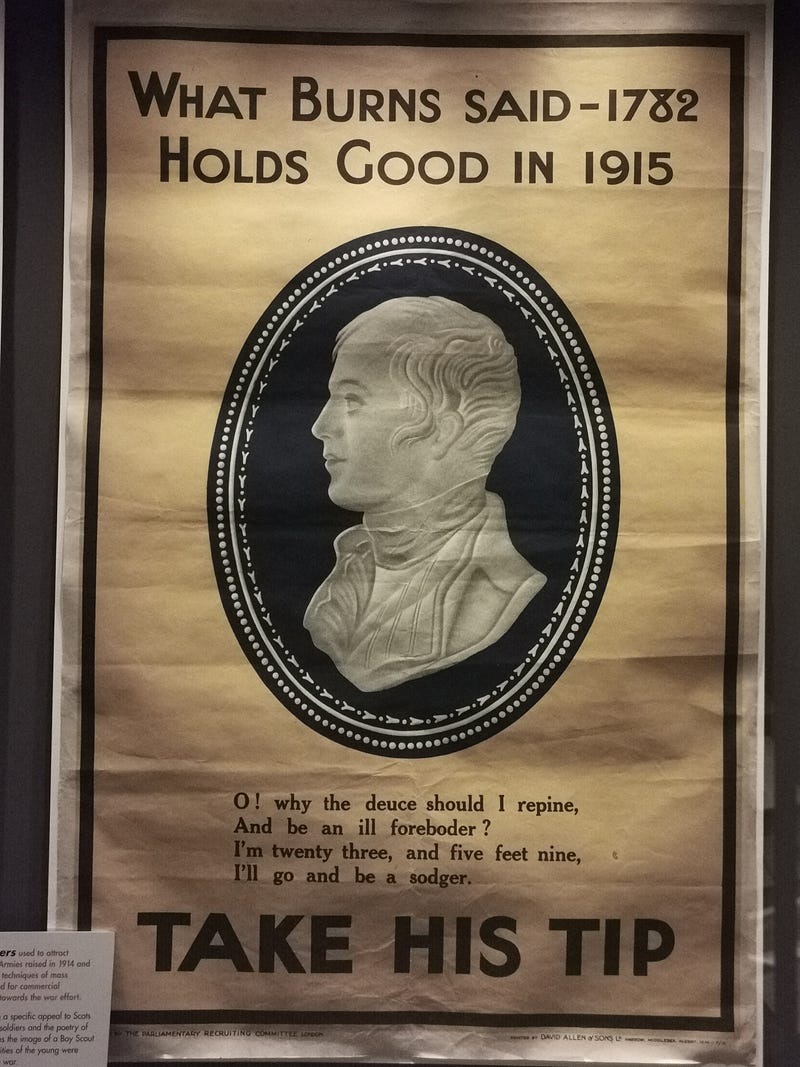
This lovely poster was an ad inviting young Scotsman to join the army. Now, notice how the call to duty relies on a poem written by Robert Burns, whose words from 133 years before were still authentic. It turns out that intellectuals have long been influencing both the business of war and that of advertising.
Today, the capital of Scotland continues to inspire and influence people. In summer, the city heats up not so much because of increased temperatures but because of the world-class festivals it hosts:
- International Film Festival (June)
- Edinburgh Jazz and Blues Festival (July)
- Fringe Festival (August)
- Edinburgh Art Festival (August)
- International Book Festival (August)
- The Royal Edinburgh Military Tattoo (August)
Associations
– So, how about we finish that game we started?
– Aye, let’s do it!
– I say Edinburgh.
– Enlightening.
– Enchanting.
– Edinburgh.
If you like what you’ve read, you can support me by clicking on the Follow button — a guarantee you won’t miss out on my new articles.
Thank you!


