PSYCHOPATH VS SOCIOPATH
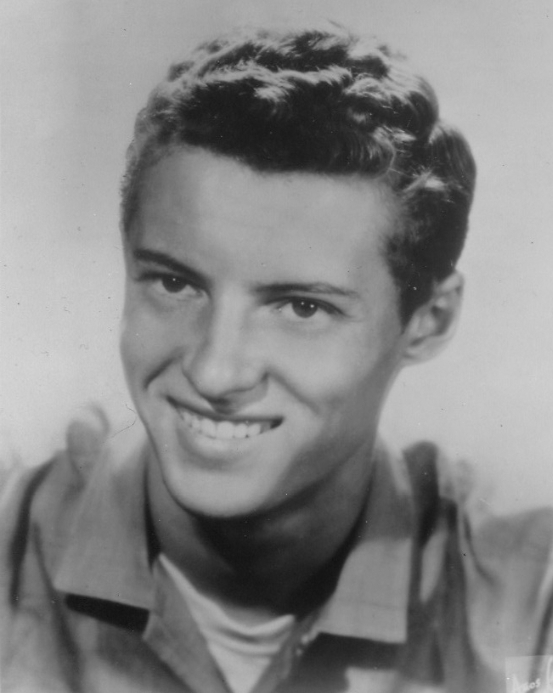
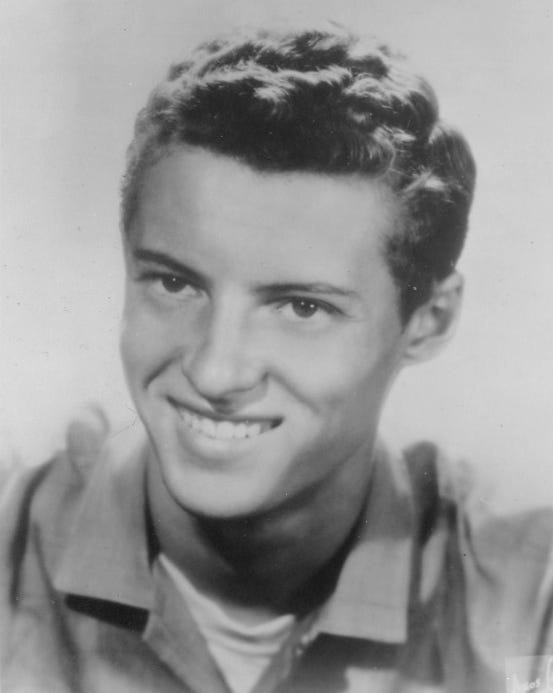
Eddie Haskell: TV’s Favorite Psychopath
The Antagonist From Leave It to Beaver Needed Therapy
As a therapist, quite a few people ask me what the difference between a sociopath and a psychopath is in individuals. With the event of the killings in Moscow, Idaho, people who kill others in public spaces, and our basic social climate right now, people are generally curious. They want to know, “Can I, as a non-mental health person, identify a psychopath or sociopath if I met them?”
What I can tell you is this: 1. Psychopaths are much harder to identify than sociopaths. 2. Sociopaths are more prevalent but still at an average of 4% of the population vs. 1% for psychopaths. 3. Neither label is an actual diagnosis in the DSM bible of mental challenges.
Lately, my husband and I are rewatching Leave It to Beaver episodes. It’s very interesting to watch old shows as an adult therapist versus processing it when we were kids. Being able to break down behaviors and realize some of the characters have severe mental issues is a little stunning.
Nevertheless, it is in my habitual mind to do so with media characters and personalities. Not to harshly judge but to refine my skills sort of speak. And let me tell you, Eddie Haskell was a psychopath.
Let’s talk about the differences and the huge similarity between a sociopath and a psychopath. It is actually a very slight difference and can be very difficult to accurately diagnose because they’re both very manipulative and cunning. Even professionals have to do a very in-depth analysis to come to the truth.

Conscience
This is the biggest difference between sociopaths and psychopaths. While sociopaths can have some small amount of guilt and know what they’re doing is wrong, psychopaths really have no guilt about their actions.
Both will still carry out the act despite the fact a sociopath may feel a little bit of guilt. After the act we find sociopaths blaming others and not taking responsibility. Psychopaths, basically, don’t understand what the problem was in the first place (e.g. John Wayne Gacy).
In Leave It to Beaver, Eddie is a character I actually go back and forth on as to whether his actions make him a sociopath or psychopath. When it comes to conscience, he exhibited very little empathy or remorse.
Although he would state he knew things were wrong it was usually in front of others who would make that comment first. As a professional, it makes me wonder if he truly knew these things were wrong or if, like a psychopath, he was mimicking comments to get his way.
Eddie’s desire to do wrong and find it funny showed a lack of conscience and empathy. Despite the time gap between when the show started and now, I still found myself being shocked at some of his choices in ‘jokes.’
When Eddie did apologize, it was usually because he was forced (most of the time by Beaver’s brother, Wally, his best friend). He would often blame others for his misdeeds and his apologies never seemed genuine. This was most likely due to the fact he would continue his misdeeds and his actions and words were not parallel.
In terms of conscience, I would say Eddie tended to be a psychopath.

Emotions and Relationships
Sociopaths can have emotions and actually have incredible mood swings. They exhibit a lot of anger usually due to their expectations not being met. Meanwhile, psychopaths don’t really express many emotions. They actually have this incredible ability to not react externally to things that would make most of us cringe, cry, or scream.
In terms of relationships, sociopaths can have relationships, but they aren’t stable, solid healthy relationships. Their best relationships are at a distance and/or not very deep. They are very unreliable with others. People can be fooled when first bonding with a sociopath until the sociopath’s mood swings are seen and felt, usually ruining the relationship.
Psychopaths on the other hand can mimic behaviors so well, they come off as charming. They are so in control of their emotions that people are easily fooled and think they are amazing. They don’t actually have relationships that don’t benefit them for some purpose.
They avoid getting into relationships if it doesn’t benefit them. Nothing in a relationship is about what the other person gets from the relationship, only what the psychopath gains from it.
Studies show that many people in very high positions in this country can be diagnosed as psychopaths. According to British psychologist, Kevin Dutton, the top four career choices for psychopaths are CEO, attorney, media personality, and salesperson.
This area can be tough when it comes to Eddie. Eddie actually had very low self-esteem and a rotten home life, if you believe what he stated in the show.
Those two things can contribute to anti-social behaviors. His volatile home life, inability to work through his low self-esteem, and lack of awareness about his emotions and actions lent to his mental challenges.
Eddie occasionally attempted to show emotion at times. He derived great pleasure from harming others, most likely, due to his own inner pain. Watching him on the show I see a young man who has the same steady emotions whether caught, confronted, or just ‘hanging out.’ He showed the most joy when he was planning a terrible prank on others.
When it came to relationships, Eddie had Wally and Lumpy. How in-depth the relationships were is difficult to determine, however, from a professional standpoint. It seemed to be very surface-level. Additionally, Eddie did not treat either friend well and rarely listened to their advice or thoughts.
It seemed Wally was Eddie’s best friend because he couldn’t make or keep other friends. Unfortunately, Wally’s heart allowed Eddie to stay his best friend, but one questions why he or his parents didn’t terminate the relationship sooner due to the pranks played on Beaver. Eddie was allowed to be Wally’s best friend to the detriment of Beaver.
If I were to place Eddie in a position within this category, I would say he was a psychopath. He would have probably made a great CEO in the future.
Impulsivity
In terms of impulsivity, sociopaths tend to be much more impulsive than psychopaths. This is probably due to the fact they have trouble controlling their emotions. Anger, being one of their most prevalent emotions, will make them lash out and hurt others on a whim.
Psychopaths on the other hand are very meticulous and planned. They will think about what and how they are going to hurt others for days, months, or years. And they don’t necessarily hurt others because the person did anything to them. They will hurt others for their own pleasure and stimulation.
This is the only section in which I would diagnose Eddie as a sociopath. Most of his pranks were on a whim. Opportunity allowed him to plan immediate hurtful pranks.
Eddie’s own inner pain made him very impulsive. Although one could argue he actually did do ‘planning’ on various episodes, in my estimation, Eddie displayed more sociopathic tendencies in terms of impulse control.

Similarities
Where sociopaths and psychopaths share similarities is in their gain of pleasure from hurting others. They also have very little fear of consequences, little regard for the laws, and show some level of emotional detachment from others.
They both tend to make a pattern of bad choices which in the sociopath shows a pattern of irresponsibility (not so in psychopaths — they are very responsible) and in psychopaths, if caught, can lead to jail or mostly, disruption of relationships.
While the DSM does not actually classify either psychopath or sociopath as a diagnosis, they do use “anti-social personality disorder.” In researching the reasons for not specifically defining those terms reasons were as follows:
- Too many people in our society are high-functioning psychopaths or sociopaths and the labels would be damaging. Many of these people are highly successful.
- Many times, we don’t find out a person is a dangerous psychopath or sociopath until they are in jail or dead themselves. Studies and availability to study them can be difficult. Not many people would be aware of or accept that label.
- Anti-social personality disorder really encompasses both. There doesn’t need to be a distinction in labels.
Thus, for the purpose of this article, I would say the character of Eddie Haskell on Leave It to Beaver, showed traits of a psychopath. However, I don’t say that about children and I challenge other professionals that diagnose kids with anti-social personality disorder not to do that. Their brain is still growing until they’re 25–26 years old and we don’t know what changes will happen before that time.
If Eddie was my client he would probably be diagnosed with an oppositional defiant disorder, which is actually seen as a precursor to anti-social personality disorder in an adult.
I, in no way, meant to do any damage to someone’s enjoyment of the show. Ken Osmond, who played Eddie Haskell, did an incredible job and is one of the best actors on the show. If a character can make your own emotions stir, the actor is doing a great job.
I can’t imagine Leave It to Beaver without Eddie Haskell and I wouldn’t want to. I hope you all enjoy reruns of old shows as much as my husband and I do. Hopefully, you learned a little and enjoyed this article using a very loved character on a favorite show.