
Economy 101: Energy sector— the Power Generator of the Economy
To invest well, I sought to understand the 11 sectors of economy. I learned about how much the economy relies on the energy sector.
The economy is made up of 11 sectors.
These sectors are broad classifications of business activity that can include multiple industries. Each sector of the economy has its function. Energy sector, for example, is crucial for the functioning of the economy, to power both residential consumption and business manufacturing. Without sufficient energy supplies, the economy will be grounded to halt.
In this post, I will go in depth on what I learn about the energy sector, the U.S. consumption of energy, and the future of renewable energy.
ENERGY
This sector of the economy includes producers of nonrenewable and renewable energy.
What is the energy sector?
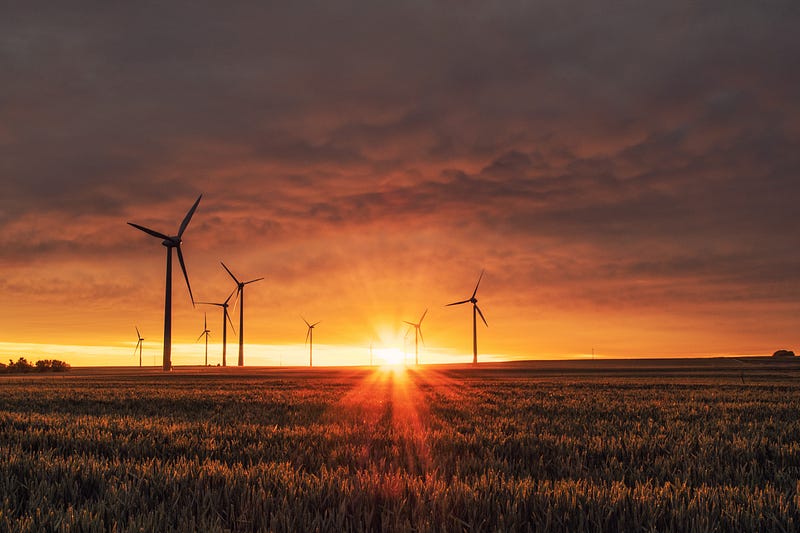
The energy sector produces energy that powers your car, your heater, your electronics and much more. This sector includes companies that generate power, from sources ranging from petroleum, natural gas, coal, renewable fuels, to electricity from wind, solar, hydropower, geothermal, and nuclear power. Because power is essential to run factories, businesses, cars, trucks, planes, trains, homes, and more, the energy sector is critical to the functioning of every sector of the economy.
At the height of the pandemic, the US Energy sector had a combined market value of approximately $700 billion. These companies harvest natural resources, through oil drilling, coal mining, wind farms and hydroelectric plants, then turning them into energy for consumption by individuals and businesses.
Some of the most profitable companies in the world — including Exxon, Chevron, China National Petroleum, Royal Dutch Shell, Saudi Aramco, and more — are part of the energy sector. These companies are also linked to the worsening climate crisis. The burning of fossil fuels such as coal and oil has caused the earth’s temperature to increase over time, intensifying natural disasters like hurricanes and droughts. As energy companies face the backlash of the changing climate, the sector has become an area of innovation in renewable energy sources like wind, solar, and hydro power.
How much do we spend on energy in the U.S?
Energy is commonly measured in something called British thermal units (Btu). (Another method is called the kilowatt-hour.) Energy is bought and sold according to these units. A Btu is the quantity of heat required to raise the temperature of one pound of liquid water by 1℉ at the temperature that water has its greatest density, according to the U.S. Energy Information Association. In 2020 alone, the U.S. consumed 92.94 quadrillion Btu of energy. The industrial sector, which is made up of agriculture, manufacturing, mining, and construction businesses uses the most energy, 33% of the total consumption. This sector is followed by transportation (26%), residential use (22%), and commercial use (18%).
The most-consumed source of energy is petroleum, making up 32.23 quadrillion Btu. Petroleum is followed by natural gas (31.54 quadrillion Btu), renewables (11.59 quadrillion Btu), coal (9.18 quadrillion Btu), and nuclear (8.25 quadrillion Btu).
In 2019, the U.S. spent $1.2 trillion on energy, or 5.7% of Gross Domestic Product (GDP). When spread over the population, annual costs were $3,728 per person. — U.S. Energy System Factsheet
As of 2019, the energy sector employs 6.7 million people in the U.S, accounting for 4.6% of American employment. Employees in this sector work in electric power generation and fuel, transmission distribution and storage, energy efficiency, and motor vehicles.
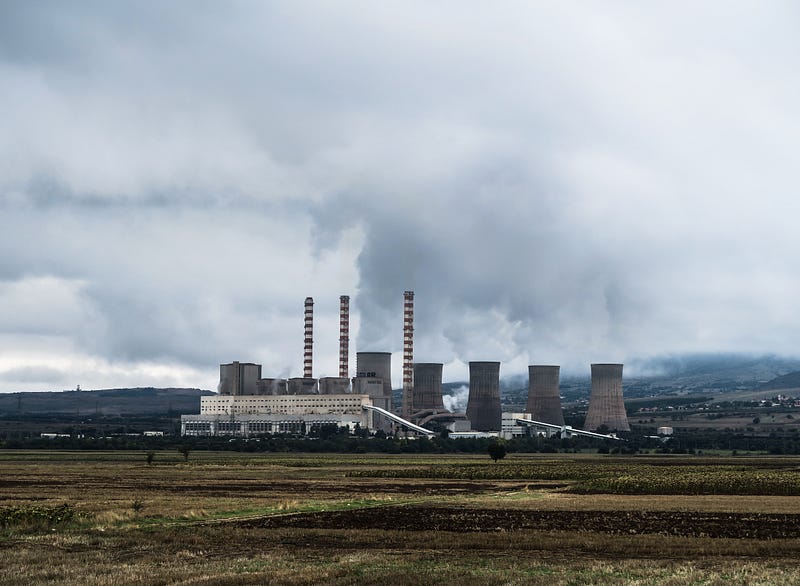
Here are some of the biggest companies in the U.S. energy sector, by energy source:
Oil and natural gas companies, by market capitalization:
- Exxon Mobil Corporation (XOM), based in Texas, has a market cap of $145.2 billion.
- California-based Chevron Corporation (CVX) has a market cap of $134.4 billion.
- ConocoPhillips (COP), also based in Texas, has a market cap of $35.2 billion.
Coal mining companies, by production:
- Peabody Energy Corporation (BTU), based in Missouri, produces 138.7 million short tons per year.
- Arch Coal Inc. (ARCH) , also based in Missouri, mines 87.9 million short tons of coal annually.
- Navajo Nation, based in New Mexico, puts out 47.1 million short tons of coal each year.
Nuclear energy plants by output:
- Palo Verde Generating Station, based in Arizona, generates 3.93 Gigawatts of energy.
- Browns Ferry Nuclear Plant, based in Alabama, puts out 3.4 Gigawatts of energy.
- Peach Bottom Atomic Power Station, based in Pennsylvania, generates 2.77 Gigawatts.
Renewable energy, by market cap:
- NextEra Energy (NEE), based in Florida, has a market cap of $147.8 billion.
- First Solar (FSLR), based in Arizona, has a market cap of $8.6 billion.
- Renewable Energy Group (REGI), based in Iowa, has a market cap of $2.9 billion.
The future of the Energy sector — renewable energy
Climate change — the warming of the planet over time because of greenhouse gas emissions from fossil fuels — has led to an increased emphasis on renewable energy.
The summer of 2021 saw record temperatures in the U.S., with places like the Pacific Northwest and the Southwest experiencing severe heat waves. Currently, the planet is on track to get hotter by 7℉ by 2100. The Paris Agreement, an international treaty made in 2015 between 196 parties, aims to limit global warming to less than 2℃ by 2050.
2020 was the biggest year for renewable energy consumption to date, with renewable energy sources accounting for 12% of the energy consumption in the U.S., or 11.59 quadrillion BTU. From the late 19th century onward, the biggest sources of energy have been nonrenewable fossil fuels such as coal, natural gas, and petroleum.
And until the 1990s, the most common sources of renewable energy were hydropower and wood. In recent years, the focus has shifted to other sources of energy such as biofuels, geothermal energy, solar energy, and wind energy.
How energy stocks can help diversify your portfolio?
While the energy industry is changing, energy is always necessary to power industries, homes, and the economy. If you want to invest in the sector, you can invest in shares or fractional shares of public energy companies (examples are listed above with ticker symbols)
Remember that while energy is vital to the economy, the sector can be volatile, depending on supply and demand of the commodities that power the sector, such as oil and gas.
For example, when the COVID-19 pandemic reduced demand for oil and gas, the Energy sector dropped 36.2% while the overall S&P 500 fell about 7%. In contrast, gas prices hit record high due to the Ukraine-Russia conflict with the current average at $4.24.
The best way to combat volatility in investing is to dollar cost average, which recommends investing small amounts of money regularly in a diversified portfolio.
Thank you for reading my post, and I hope you found the content insightful as you plan your personal finance journey. If you find its helpful, please follow me and check out my other posts for more investing tips and self-improvement tips. As always, have a fulfilled day as you go out there and be your best self.


