
Economy 101: Consumer Discretionary vs Consumer Staples
To diversify well, I studied the sectors of the Economy. These sectors are driving the economic machine through bad and good times.
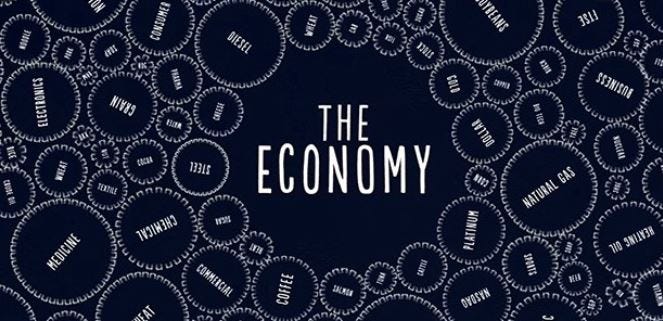
The economy is made up of 11 sectors.
These sectors are broad classifications of business activity that can include multiple industries. Each sector of the economy has its function. The consumer staples sector, for example, produces everyday products people need no matter the economic cycle, such as food and toothpaste. In contrast, the consumer discretionary sector includes products that aren’t technically necessary, but that people may use when the economy is flush with cash, for example travel and hotel stays, as well as new cars or bicycles. The real estate sector facilitates the construction and sale of the homes and buildings where people work and live.
As an investor, it’s important to know about the sectors of the economy, because they can help you diversify your portfolio.
One way you can diversify is by investing in different sectors of the economy, which might not all react to market changes in the same way, which can protect you from volatility. In this post, I will focus on two sectors — consumer discretionary and consumer staples by highlighting their strengths and weaknesses, and the well-known companies representing these sectors.
CONSUMER DISCRETIONARY

We all have necessary expenses, like food and shelter. And then there are the things you don’t necessarily need, but that you buy anyway to make your life better or more enjoyable. Those purchases can be a new car or dishwasher, the latest pair of Jordan, or maybe a well-anticipated vacation. When you spend money on these things, you do it because you want them, not need them.
These are non-essential goods, services, or experiences and they comprise the consumer discretionary sector of the economy.
What is consumer discretionary spending?
Consumer discretionary spending, also known as consumer cyclical spending, refers to spending on non-essential items, and it highly depends on economic cycles. When the economy is in good shape, more people are working, wages tend to rise, and more money flows through the economy. With increasing confidence in the economy, people tend to spend more on discretionary items. In contrast, when times are tough and the economy slows or contracts, people will reduce their spending on discretionary items, while maintaining spending on necessary items, such as groceries, toilet paper, and toothpaste.
Consumer discretionary purchases are frequently for bigger-ticket items, such as automobiles, motorboats, jewelry, home appliances or a hard-earned vacation. They’re categorized as discretionary — because they require more excess cash.
But just as often, consumers spend on smaller-ticket items of retail purchases, such as coffees, movie tickets, hotel stays, or eating at restaurants, etc.
Some examples of companies operating in the consumer discretionary sector include:
- Dunkin’ Brands, producer of donuts and coffee drinks.
- Ford and GM, the car manufacturers.
- Expedia, the online travel booking system.
- MGM Resorts and Hilton, the destination resort and hotel chains.
- Home Depot, the home improvement retailer.
How consumer discretionary stocks can help diversify your portfolio
A recent change in the way companies are sorted into sectors has made the consumer discretionary sector a bit smaller, as names like streaming content provider Netflix and cable company Comcast have been routed into a new sector called communications.
The consumer discretionary sector accounts for about 13% of the total stock market value, roughly equivalent to the health care and financial sectors.
Consumer discretionary stocks can help you diversify the equity portion of your portfolio. Keep in mind that each person’s situation is different, and there is no one way to diversify your holdings. A proper diversification strategy should be tailored to your own situation.
CONSUMER STAPLES
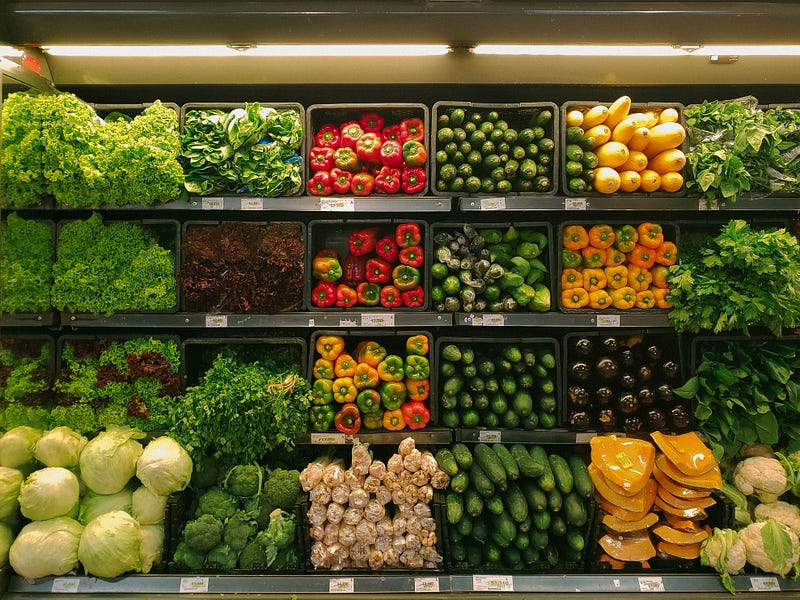
Groceries, soft drinks and snack foods, toothpaste and toilet paper, laundry soap and pet food — are things you probably buy at least once a week without even thinking about it. These items are known as consumer staples, because we buy them regularly, regardless of the state of the economy. Why? Because we need them.
Consumer spending drives about 70% of all economic activity in the U.S. We spend up to a quarter of our income on consumer staples.
Some examples of top consumer staples companies, and the products you might be buying:
- Campbell Soup, the producer of the iconic tomato soup and hundreds of other varieties of soup, also Pepperidge farm cookies, V8 vegetable juice, and Pacific Foods organic broths.
- Coca-Cola, the manufacturer of soft drinks including Coca-Cola, Fanta, Sprite, and Odwalla.
- Conagra, the producer of Hunt’s ketchup, Hebrew National hotdogs, Redi-Whip and Peter Pan peanut butter.
- General Mills, producer of Cheerios, Pillsbury products, Haagen-Dazs ice cream, Green Giant canned vegetables, and Nature Valley granola bars.
- Hershey Company, the maker of chocolate bars, Kisses, Kitkats, Fifth Avenue bars, and Twizzlers, among others.
- Kellogg, the producer of your morning cravings — Frosted Flakes, Eggos, Rice Crispies, and Pop-tarts.
- Kimberly-Clark, producer of household items such as Kleenex, Huggies, Scott toilet paper and Kotex.
- Procter & Gamble, the maker of Pampers disposable diapers, Oral-B toothbrushes, and Tide laundry detergent.
Why consumer staples stock are safe?
Big companies such as Johnson & Johnson and Procter & Gamble dominate the industry producing consumer staples, and their stocks are often known as defensive stocks because they can provide shelter when the economy encounters a slow down or a recession.
- Consumer staple sector outperformed during the financial crisis of 2008, dropping about half as much as the broader market. (During the Dotcom bust of the early 2000s, when the S&P 500 lost half its value, returns on consumer staple stocks actually increased 1.2%, according to reports.)
- Consumer staples companies may grow more slowly than the high-growth tech companies. They tend to grow dependably over time. For example, in 2018, the sector growth was approximately 11%, about half the rate of the broader S&P 500 index.
- Many consumer staples companies also pay stock dividends, which generally signal their stability and maturity as businesses. Dividends can also add to investors’ total returns over time. Examples of consumer staples companies have recently paid dividends include Hershey, Procter & Gamble, and Kimberly-Clark.
How can consumer staples help diversify your portfolio?
Consumer staples stocks have a reputation for independence from the usual ups and downs of the market. The companies that produce consumer staples rely on consumers’ everyday use of their products. This dependability makes consumer staples different from items that people might buy when they have extra money, such as new cars, clothing, and home appliances.
What’s the difference between buying toilet paper and a washing machine?
Bigger purchases, made with discretionary spending dollars, heavily depend on economic cycles — when times are good, people buy more of them, and fewer when the economy is not so good. We all need toilet paper, no matter how the economy is doing.
Therefore, investing in the consumer staples sector could potentially add a counterbalance to riskier growth stocks in your portfolio, as consumer staples may be less volatile than other assets.
Thank you for reading my post, and I hope you found the content educational and insightful as you plan your personal finance journey. If you find its helpful, please follow me and check out my other posts for more personal finance and self-improvement tips. As always, have a fulfilled day as you go out there and be your best self.


