
Echoes in the Shadows: The SCS and the Secret Surveillance of the Iraq War
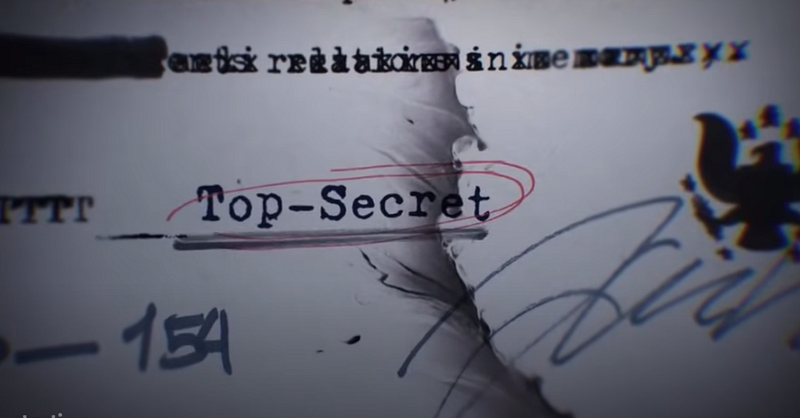
Hey there! Let’s dive into the world of covert operations and electronic espionage with a focus on the Special Collection Service (SCS) during the Iraq War. It’s a tale of high-tech spy games that sounds like it’s straight out of a Hollywood thriller, but trust me, it’s all real!
The Setup:
Before the fireworks of the 2003 U.S. invasion, the SCS was already playing a crucial role in Iraq. Picture this: a network of antennae, like a spider’s web, stretching across the Iraqi landscape. These weren’t your average antennae; they were designed to catch the most elusive prey — microwave communications bouncing from hilltop to hilltop. This kind of communication is super tricky to catch because it’s like trying to grab a beam of light that’s skimming the surface of a pond — it’s there, but it’s not easy to snatch.
The Players:
The Players: In the shadows, you’ve got these SCS operatives, the tech wizards of surveillance, part of a joint CIA-NSA program known as the Special Collection Service (SCS), codenamed F6. These operatives are the architects behind a clandestine network of antennae, strategically placed under the radar to intercept communications that would otherwise slip through the cracks. They employ state-of-the-art covert listening device technologies, designed to infiltrate foreign embassies, communications centers, and government installations with an almost ghostly presence.
In 1998, the plot thickens with the introduction of an Australian operative into this secretive world. Recruited under the SCS, this operative was deployed to Iraq with a mission shrouded in mystery. Under what was likely a cover of Foreign Service or Diplomatic Telecommunications Service, he was tasked with a critical role in the collection of electronic intelligence. His mission: to capture the whispers of the airwaves, the chatter that could hold the keys to untold secrets.
As he settled into the Iraqi landscape, this operative found himself awash in a sea of data. The communications he intercepted were abundant, yet the feedback loop was non-existent. It was like casting a net into the ocean and wondering if the catch was of any significance. This lack of response led to a growing unease. He began to question the true nature of his assignment. Was this merely routine intelligence gathering, or was it something more? Something that veered off the path of what was expected by the United Nations Special Commission (UNSCOM), which was in Iraq to ensure the disarmament of Iraqi weapons of mass destruction.
The role of this Australian operative was pivotal. He was not just another cog in the machine; he was a sentinel in the field, a collector of the intangible, tasked with tuning into the frequencies of potential threats. Yet, the silence from his superiors spoke volumes, hinting at the enormity of the operation he was a part of — an operation that perhaps stretched beyond the boundaries of UNSCOM’s mandate and into the realm of a vast intelligence collection effort, one that required direct access to communications equipment due to the increasingly sophisticated nature of foreign communications technology.
The Hunt:
Fast forward to post-invasion, and the game changes. Now, the SCS is on a manhunt for none other than Saddam Hussein. They’re planting high-end bugs, the kind of gear that Q would give James Bond, in strategic spots to eavesdrop on conversations. These aren’t just any bugs; they’re the cream of the crop, and they’re feeding intel to voice analysis experts who are dissecting every syllable for clues.
The Impact:
The SCS’s involvement in the Iraq War is more than just a footnote in the annals of intelligence operations. It’s a stark illustration of the lengths to which governments will go in the pursuit of information that could tip the scales of power. In the high-stakes world of espionage, data isn’t just currency; it’s the lifeblood of decision-making. The operatives of the SCS, often unseen and unrecognized, are the master weavers in this intricate tapestry of war and diplomacy.
But the impact of their work, and indeed the Iraq War itself, extends far beyond the immediate theater of conflict. The war’s aftermath has had profound implications on global politics, regional stability, and the lives of millions. The invasion in 2003 set off a chain of events that reshaped the Middle East. It led to a bloody sectarian conflict that undermined the region’s stability and the global reputation of democracy. The power vacuum left by the toppling of Saddam Hussein’s regime gave rise to extremist groups like ISIS, which committed atrocities against populations such as the Yazidis. These events are a sobering reminder of the long shadow cast by war and the unintended consequences that can emerge from the fog of conflict.
As we reflect on these covert operations and their ramifications, it’s clear that the story of the SCS in the Iraq War is not just about the past; it’s about understanding the present and anticipating the future. It’s a narrative that compels us to question, to learn, and to remain ever vigilant about the complex world we inhabit. So, while today’s tale may end here, the quest for knowledge and the thirst for understanding what lies in the shadows continue. Stay curious, my friends, for the journey of discovery is never over. 🕵️♂️🌍