
Eating Oily Fish Twice A Week Can Save You From A Facelift
Converts swore that it fends off ageing and keeps wrinkles at bay
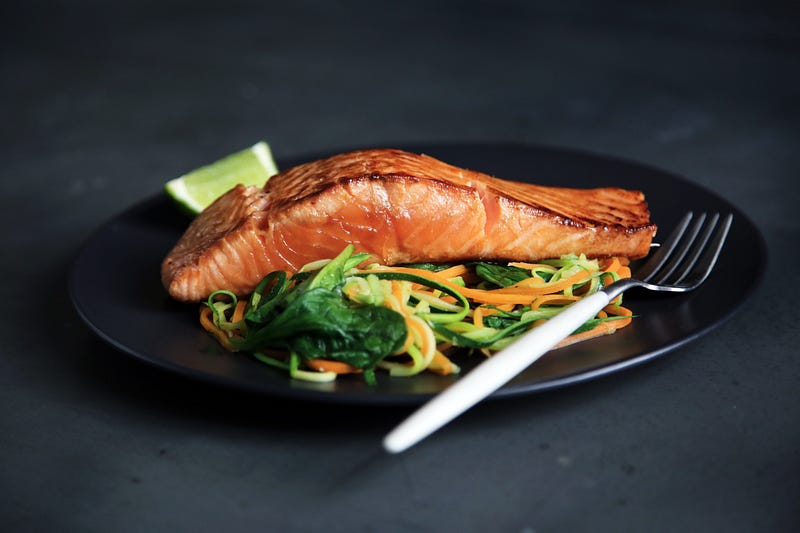
All nutritional scientists say that nutrients should be obtained from foods rather from supplementation. We therefore mostly depend on foods that we eat to fulfil our needs for nutrients. No single food item (other than breastmilk for the first six months of life) can supply all the nutrients that we eat. It is imperative therefore to eat a variety of foods in diverse diets.
It is possible to obtain a minimum nutritional diversity by eating at least four of the under-listed group in any twenty-four hours:
- Legumes & Nuts
- Grains, roots & tubers
- Dairy Products — milk, cheese & yoghurt
- Flesh foods — liver, meat, poultry & fish
- Eggs
- Vitamin A-rich fruits & vegetables.
- Other fruits & vegetables.
The Case For Fish
Fish, especially the oily ones like salmon, mackerel, herring, tuna, sardines and anchovies are proven to be good for our cognitive function. The case of eating oily fish to fend off ageing and keep sagging skin at bay, making you look and feel younger is a new focus of nutritional scientists. The study researched the two fatty acids present in oily fish called omega-3 fatty acids:
- Eicosapentaenoic Acid — (EPA)
- Docosahexaenoic Acid — (DHA)
These two fatty acids are vital for our cells function, but the body is unable to synthesize it. So we have to obtain these fatty-acids from foods. They are naturally present in oily fish but more at a higher level in salmon.
Omega-3 fatty acids do contain a chemical that stimulates nerve function and encourages the muscles under the skin to contract and tighten. This is similar to what the cosmetologist do in facelifts and botox injection, only that theirs require rejuvenation whereas the omega-3 fatty-acid effect is long-lasting.
The Other Benefits Of Omega-3 fatty Acids
Omega-3 fatty acids in the blood are able to clean the artery walls of deposit of bad LDL cholesterol, raising the level of good cholesterol, lowers blood pressure and normalise irregular heartbeats.
Another study shows that adults who regularly eat oily fish or seafood at least once a week have a reduced chance of Dementia and Alzheimer, and macular degeneration.
- It also prevents stroke, asthma, breast cancer and good for joint.
- A study in Sweden concluded that men who eat up to five servings of oily fish a week are less likely to develop prostate cancer.
- And pregnant women who have a good portion of oily fish during pregnancy have babies with high IQ, than those who do not.
Which Type Of Fish?
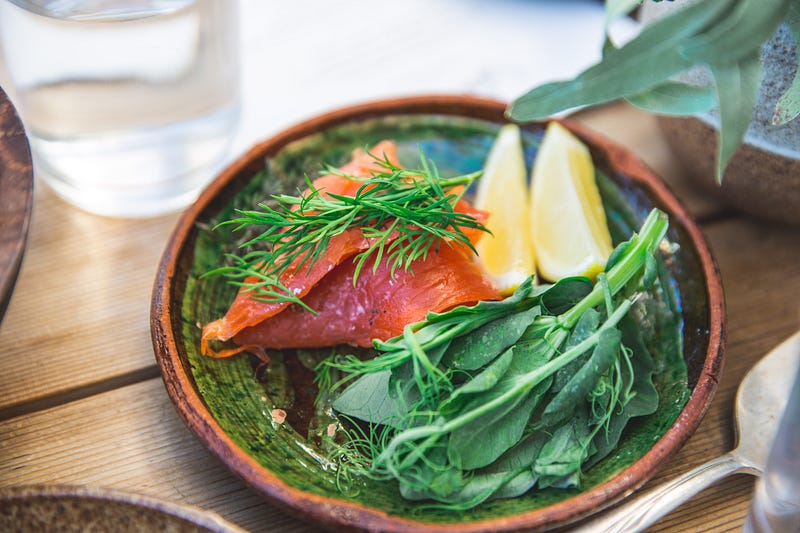
The fresh varieties, as well as processed ones, are equally good. Processed fish is canned, sardines, mackerel & pilchards, and smoked.
The problem with smoked foods is the high level of salt used in its preparation, so it important to remove the salt before consumption.
Other Sources Of Omega-3 Fatty-Acids
Shellfish varieties like prawns, lobsters, crabs, squids and mussels are other varieties of kinds of seafood that contain omega-3 fatty acids but at a much lower level than those in oily fish.
Plant Sources Of Omega-3 Fatty Acids
Plants based vegetable oils from flaxseed, linseed, sunflower oil, soybean oil contain what we called omega-6 fatty acids. This is ALPHA-LINOCLENIC ACIDS (ALA). It is possible for omega-6 fatty acid to convert to omega-3 fatty acid in the body, but the rate of absorption is very very small, which is between one to two per cent.
Most of these plant-based omega-6 fatty acids are commonly used in fast foods outlets. The trend of people eating more of fast and processed foods allow more concentration of omega-6 fatty acids in their system, which can be more detrimental to health. See Shin Jie Yong article above.
So it is generally advised to eat less of fast and processed foods and opt for oily fish to have omega-3 directly. However, vegans and vegetarians can use more olive oil which is a healthier option.
The Case Of Sea Pollution
The case of sea pollution cannot be undermined in providing us with pollution-free kinds of seafood. Plastics and other pollutants that make the way into the sea has significantly disturbed the balance of nutrients that end up in our body.
‘’Many people treat the ocean like a sink, considering it as final resting place of pollutants, but some of these pollutants can find their way into our seafoods.’’ Marc Metian, Research Scientist, IAEA Environmental Laboratories.
Sea pollution can jeopardise food safety, which can affect the lives of ordinary citizens like you and me.
However it noteworthy to note that because fish eat other sea animals including fish, it is better to eat smaller fish varieties as those will contain a low level of mercury and other pollutants than the bigger ones.
The Case Of Farmed Sea Foods
The problem with farmed seafood is the level of antibiotics used in farming. Framed seafood environment also contains dioxins and polychlorinated biphenyls. Scientists are not sure whether the level of these pollutants is high enough to cause damage to human health.
However, with the introduction of necessary controls, farming conditions are getting better and sustainable.