avatarEmery Caster, DTCM

Free AI web copilot to create summaries, insights and extended knowledge, download it at here

2292

Abstract

m?utm_source=medium&utm_medium=referral">Unsplash</a></figcaption></figure><p id="4efd"><b>1)</b> <b>Yogurt</b></p><p id="2680">Yogurt is one of the oldest known human foods, with evidence of it existing since the Neolithic period 7,000 years ago! It was discovered by accident when transporting milk by animal skin bags resulted in a thick and sour goop.</p><p id="1ceb"><a href="https://bcdairy.ca/food-for-thought-a-short-history-of-yogurt/">Genghis Khan</a> believed that his warriors were superior due to their regular consumption of yogurt!</p><p id="c20a">The two bacteria that are commonly used to create yogurt are <i>Lactobacillus bulgaricus</i> and <i>Streptococcus thermophilus.</i></p><p id="e38e"><a href="https://www.hsph.harvard.edu/nutritionsource/food-features/yogurt/"><b>Benefits</b></a><b>:</b></p><ul><li>Protects against weight gain</li><li>Protects against heart disease</li><li>Protects against Type 2 Diabetes</li></ul><p id="2c1d"><b>2)</b> <b>Kimchi</b></p><p id="feee"><b>“Kimchi is a broad term used to define lactic acid-fermented vegetable dishes originating from Korea”</b> (<a href="https://journalofethnicfoods.biomedcentral.com/articles/10.1186/s42779-023-00171-w">source</a>).</p><p id="d779">Ancient Koreans began preserving food by fermentation in clay pots 8,000 years ago!</p><p id="197c">Kimchi is made by fermenting vegetables and spices at low temperatures to encourage the growth of good bacteria, and to ensure preservation. The primary bacteria in kimchi fermentation is lactic acid bacteria (LAB), this gives Kimchi its uniquely complex flavor!</p><p id="051f">There are more than 200 types of kimchi, the form we are most familiar with in the United States is kimchi made from napa cabbage and red chili powder, called baechu kimchi.</p><p id="bc83"><a href="https://journalofethnicfoods.biomedcentral.com/articles/10.1186/s42779-023-00173-8#Sec14"><b>Benefits</b></a><b>:</b></p><ul><li>Benefits general health (lowers cholesterol, boosts immune system, anticancer)</li><li>Anti-obesity effects</li><li>Safe and effective treatment for irritable bowel syndrome</li></ul><figure id="29a4"><img src="https://cdn-images-1.readmedium.com/v2/resize:fit:800/0*tRJ6oxeZTSahQLqe"><figcaption>The Kombucha SCOBY, Photo by <a href="https://unsplash

Options

.com/@to_metz?utm_source=medium&utm_medium=referral">Tim-Oliver Metz</a> on <a href="https://unsplash.com?utm_source=medium&amp;utm_medium=referral">Unsplash</a></figcaption></figure><p id="5836"><b>3)</b> <b>Kombucha</b></p><p id="5b38">The <a href="https://revolutionfermentation.com/en/blogs/kombucha/kombucha-origins/">origin stories</a> of Kombucha are mixed, but there is a general agreement that it originated in China about 5000 years ago.</p><p id="98a4">Kombucha is the fermented drink made from combining sugar, tea, and a SCOBY.</p><p id="f266">The essential SCOBY of kombucha is a bacteria-yeast colony (Symbiotic Culture of Bacteria and Yeast) that consumes the sugar in tea and releases healthful probiotics and vitamins into the tea.</p><p id="8590">Unfortunately, I could not find any hard-science that supports all the benefits people ascribe to kombucha. <b>Because of this, I want to emphasize that the benefits are ‘suggested’ and kombucha is still being studied for its effects.</b></p><p id="6aae">The difficulty in studying kombucha is the wide range of bacteria and yeast combinations that perform the fermentation. This variety of organisms provide very different pros and cons, so to say that all kombucha is the same is incorrect.</p><p id="0d2e"><b>Suggested <a href="https://pubmed.ncbi.nlm.nih.gov/34698580/">Benefits</a>:</b></p><ul><li>Reduces oxidative stress and inflammation</li><li>Improves liver detoxification process</li><li>Reduces intestinal dysbiosis</li></ul><p id="6b6e">With any of these foods, moderation is key. Eating too much of any one food can be detrimental. Start slow and introduce new living foods over time to see how your body reacts to the new microorganisms.</p><p id="b1fb"><b>Conclusion:</b></p><p id="c668">Fermented foods have a long history in human cuisine. Many of these foods have evolved alongside their founding cultures over thousands of years!</p><p id="b3ec">By including Living Foods into your diet, you can reap many benefits from good bacteria.</p><p id="e66e">Modern science is catching up to ancient practices and recognizes that fermented foods are powerful in reducing anxiety, stress, and depression!</p><p id="c788">My links: <a href="http://msha.ke/emerycaster">msha.ke/emerycaster</a></p></article></body>

Eat More of These, Cut Down on Stress and Anxiety

Photo by Brooke Lark on Unsplash

EAT MORE KIMCHI.

Probiotics have been found to be effective in reducing symptoms of depression, stress, and anxiety. This has led to the new class of anti-depressants called psychobiotics!

In a study from 2018, researchers found that by introducing combinations of ‘good bacteria’ to the digestive system of patients, there is a significant reduction in anxiety, stress, and depression.

From birth, the gut microbiome regulates the development of our stress response. Furthermore, supplementing our gut microbiome throughout life has been shown to have long-lasting influence over our stress response!

In our super-clean modern world, we do not encounter food that has not been pasteurized to kill all bacteria. To access the range of good bacteria available to us, we need to tap into Living Foods.

Living foods, or fermented foods, are a natural and traditional source of important nutrition, as well as stress and anxiety busting bacteria!

Living foods include: kombucha, sauerkraut, miso, kefir, kimchi, yogurt, and tempeh.

Each of these foods have naturally occurring bacteria colonies that, when produced correctly, are beneficial to our bodies. By including these foods into a regular diet, we can begin to see the wide range of benefits that come with having an army of friendly bacteria working with us!

Here are three examples of these Living Foods and what they can do for you.
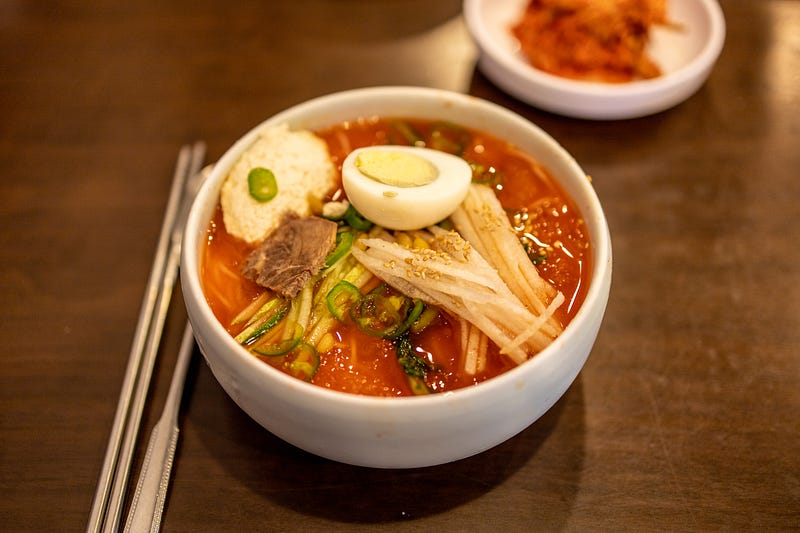
Photo by Choi sungwoo on Unsplash

1) Yogurt

Yogurt is one of the oldest known human foods, with evidence of it existing since the Neolithic period 7,000 years ago! It was discovered by accident when transporting milk by animal skin bags resulted in a thick and sour goop.

Genghis Khan believed that his warriors were superior due to their regular consumption of yogurt!

The two bacteria that are commonly used to create yogurt are Lactobacillus bulgaricus and Streptococcus thermophilus.

Benefits:

  • Protects against weight gain
  • Protects against heart disease
  • Protects against Type 2 Diabetes

2) Kimchi

“Kimchi is a broad term used to define lactic acid-fermented vegetable dishes originating from Korea” (source).

Ancient Koreans began preserving food by fermentation in clay pots 8,000 years ago!

Kimchi is made by fermenting vegetables and spices at low temperatures to encourage the growth of good bacteria, and to ensure preservation. The primary bacteria in kimchi fermentation is lactic acid bacteria (LAB), this gives Kimchi its uniquely complex flavor!

There are more than 200 types of kimchi, the form we are most familiar with in the United States is kimchi made from napa cabbage and red chili powder, called baechu kimchi.

Benefits:

  • Benefits general health (lowers cholesterol, boosts immune system, anticancer)
  • Anti-obesity effects
  • Safe and effective treatment for irritable bowel syndrome
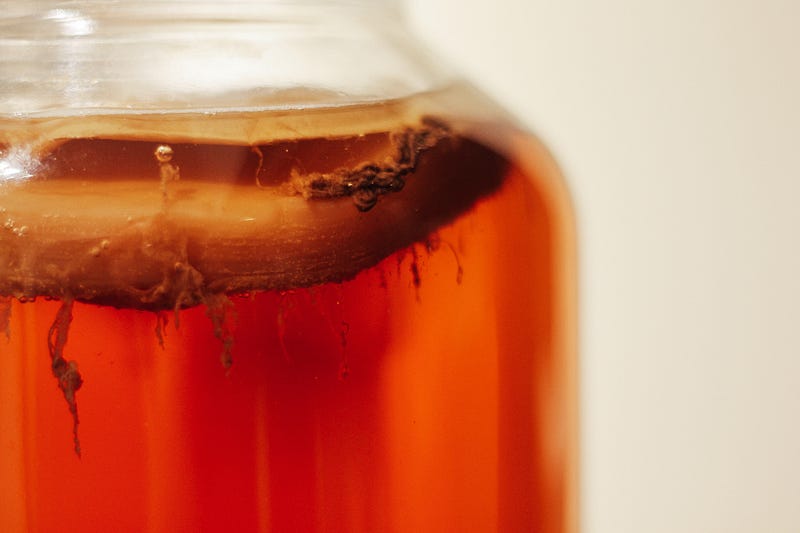
The Kombucha SCOBY, Photo by Tim-Oliver Metz on Unsplash

3) Kombucha

The origin stories of Kombucha are mixed, but there is a general agreement that it originated in China about 5000 years ago.

Kombucha is the fermented drink made from combining sugar, tea, and a SCOBY.

The essential SCOBY of kombucha is a bacteria-yeast colony (Symbiotic Culture of Bacteria and Yeast) that consumes the sugar in tea and releases healthful probiotics and vitamins into the tea.

Unfortunately, I could not find any hard-science that supports all the benefits people ascribe to kombucha. Because of this, I want to emphasize that the benefits are ‘suggested’ and kombucha is still being studied for its effects.

The difficulty in studying kombucha is the wide range of bacteria and yeast combinations that perform the fermentation. This variety of organisms provide very different pros and cons, so to say that all kombucha is the same is incorrect.

Suggested Benefits:

  • Reduces oxidative stress and inflammation
  • Improves liver detoxification process
  • Reduces intestinal dysbiosis

With any of these foods, moderation is key. Eating too much of any one food can be detrimental. Start slow and introduce new living foods over time to see how your body reacts to the new microorganisms.

Conclusion:

Fermented foods have a long history in human cuisine. Many of these foods have evolved alongside their founding cultures over thousands of years!

By including Living Foods into your diet, you can reap many benefits from good bacteria.

Modern science is catching up to ancient practices and recognizes that fermented foods are powerful in reducing anxiety, stress, and depression!

My links: msha.ke/emerycaster

Health
Food
Wellness
Education
Probiotics
Recommended from ReadMedium