
Easy Proofreading Tips You Need to Save Your Writing
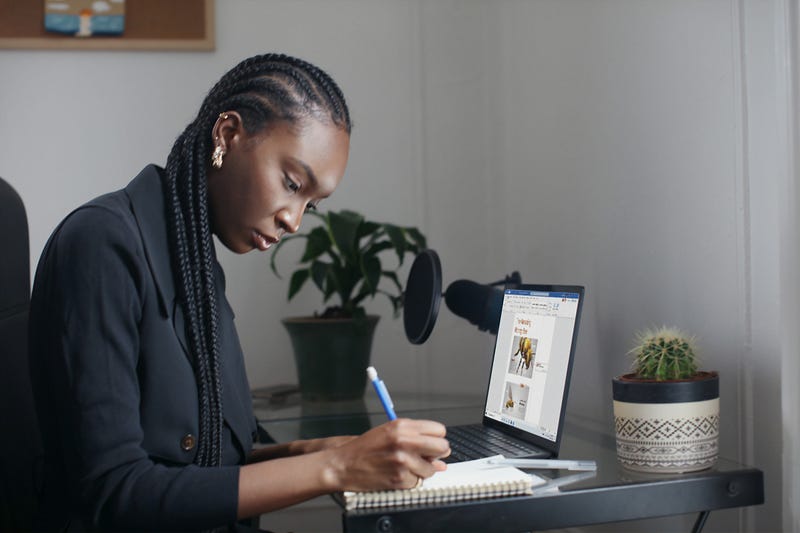
Proofreading is one of the most crucial steps to remember when writing professional pieces. According to Merriam-Webster, proofreading means “to read and mark corrections in (something, such as a proof),” but proofreading written content involves so much more than simply making corrections.
When you proofread your work, you should examine grammatical errors, sentence structure, syntax, and other technical components before it’s sent for official publication.
Proofreading can improve quality and tone, whether you’re writing an academic paper, business document, poetry, or other written content.
Mastering the art of proofreading can definitely transform your writing, so here are some proofreading tips that will save your writing.
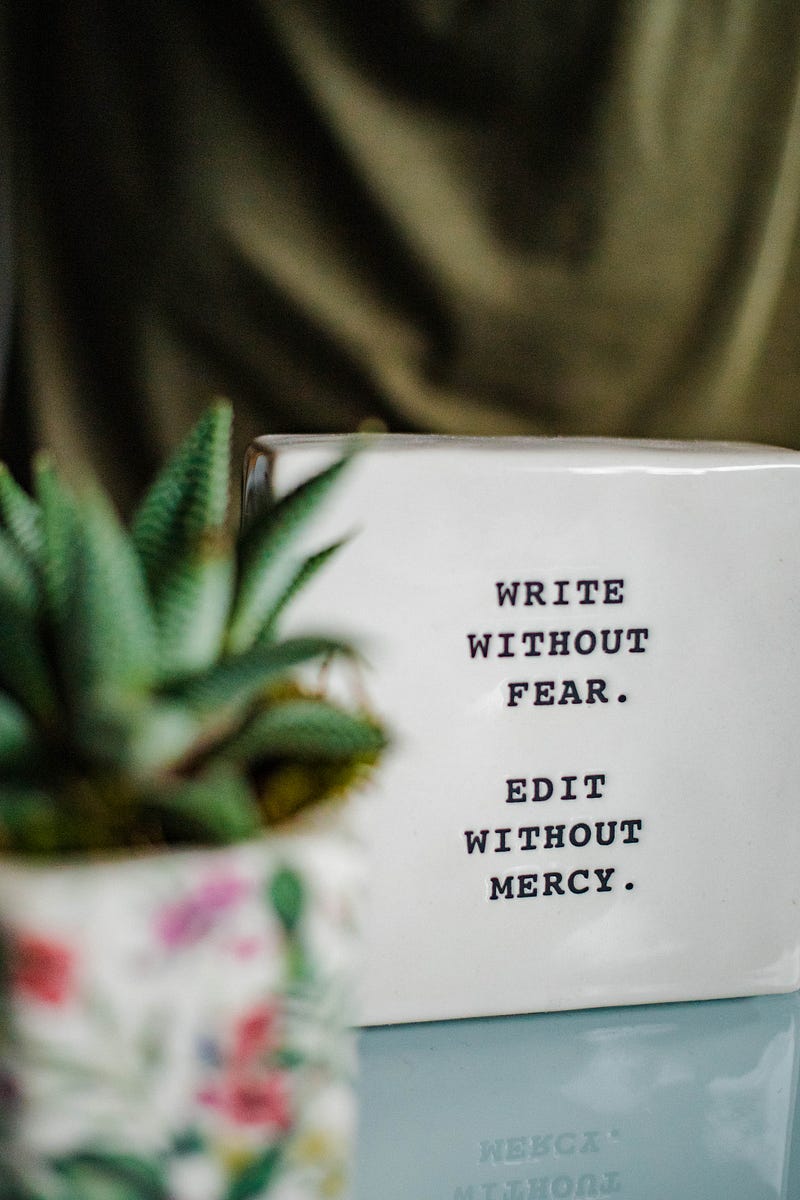
1. Only Edit the Final Text
Ensure that the work you are about to proofread is your final text. Be clear that you will not add or remove any sections of the writing you wish to proofread. Wasting time to proofread and then remove or add portions to your writing is counterproductive and exhausting. Don’t create extra work for yourself by going through the proofreading process twice.
2. Proofread the Printed Version
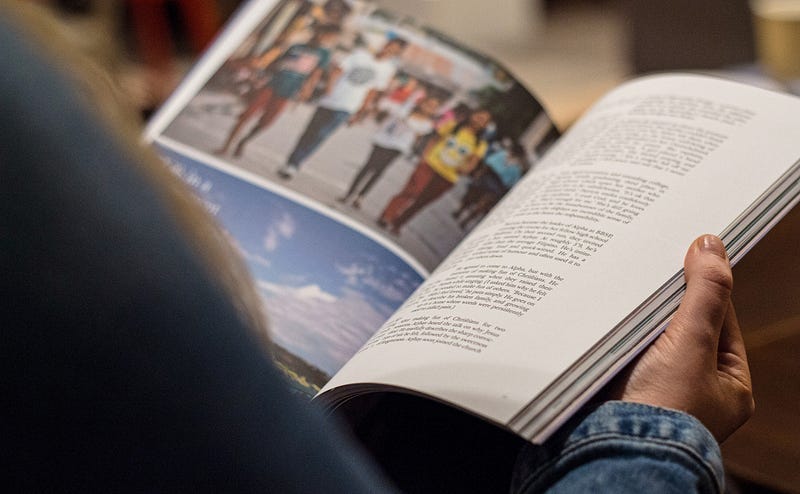
Proofreading a physically printed-out copy can give you another perspective from looking at it through the computer screen. This is especially helpful for magazines, memos, and manuals. There may be aspects that might have escaped your sight by only examining it virtually. A printed version also gives you the opportunity of seeing the exact formatting and how it flows on the page, which is important if the final version of your work will be printed for an issue.

3. Normalize the Need to Take a Break
Taking a break is never counterproductive, and the benefits encourage resilience. The truth is that taking a break is important to truly highlight mistakes that you would be more prone to overlook if tired. Overlooking errors is less likely to happen when you take a break from reading the same text for hours. Resting your eyes and mind proves beneficial before the final proofreading session. Consider taking a day off before proofreading again or use the Pomodoro Technique, where you work for 25 minutes, then take a 5–10 minute break before you go back to proofreading. You can repeat this as many times as you like. The Pomodoro Technique is my personal favorite.

4. Let Your Mistakes be Lessons
Proofreading helps to highlight common mistakes that keep appearing. Learning these mistakes will give you the strength to learn from them and aid your future content writing. It’s easy to miss some minor grammar and punctuation errors, so be diligent with repetition to pay attention to these areas. You could make a checklist of the common mistakes you miss so you don’t have to overexert yourself while proofreading.
5. Employ Digital Assistance
Automatic spell checks that come with Microsoft word are helpful at times but aren’t always accurate. Instead of painstakingly going through the text to look for errors, use a tool like Grammarly to create seamless documents. Using a tool like Grammarly can save you from stress. You can add the extension to Microsoft Word, Gmail, your phone, and your browser, so you don’t have to worry about those awkward typos. Grammarly helps you further by informing you whether your text is formal, encouraging, neutral, and my personal favorite, confident.
If you’re interested in correcting your grammar more easily, you can sign up here with my Grammarly referral link!
https://grammarly.go2cloud.org/SH3P6
Bonus Tips. Here are some other proofreading tips that are also helpful:
· Read the text backward.
· Read the text aloud.
· Read it more than once.
· Look out for one error at a time.
· Choose the time of day that your brain is at its peak performance.
· Consider having someone else read through the text.
· Place a covering (ruler or bookmarker) over each sentence as you read the above sentence. This will help you to focus on one sentence at a time.
You Can Do This!
Proofreading can be a grueling process, but it doesn’t have to be when you give yourself breaks and have handy tools. Remember, it’s an essential process because it minimizes errors and produces the quality text you desire.


