
Easter’s Coming. Child Slavery Has Gone Up. What You Can Do.
Buy ethical, slave-free chocolate. It does make a difference.
Easter’s coming. That means chocolate for a lot of us. I want to ask you to not buy Cadbury (Mondelēz owns Cadbury) brands.
Right now they are embroiled in yet another scandal of using children to harvest their chocolate. They can’t deny it. It’s caught on video. It hasn’t been much in the news though. Going out on a limb, I’m going to say that’s because Cadbury doesn’t want their dirties aired publicly and with stock market impact. And the North American media have complied.
Cadbury has a program that’s supposed to prevent child labour. Their Cocoa Life Program uses a stamp on the wrapper to reassure us that their cacao is sourced ethically, and doesn’t use child labour. However, documentary filmmaker Alan Burnett linked the chocolate manufacturer to small farms in Ghana that forced children as young as ten to work in the cacao fields.
Burnett reported that the children worked unsupervised, without protective clothing, and were forced to carry heavy loads. One girl said she was supposed to be going to school and working on her uncle’s farm but was forced to work at the cacao farm instead.
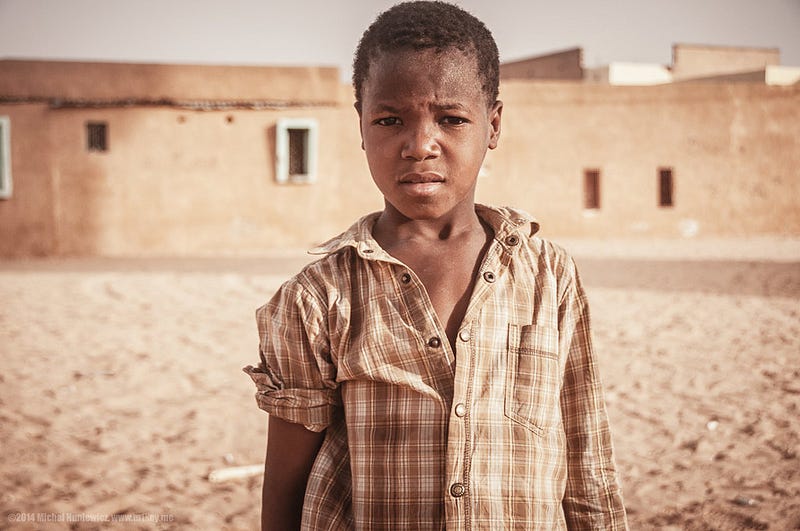
That’s a tactic the traffickers use on the families. Telling them they'll provide schooling and regular meals for the children in exchange for some light work on the farm of a friend or relative. Desperately poor parents agree to the terms and their children are sold into slavery to function in harsh working environments doing the hardest and most dangerous labour.
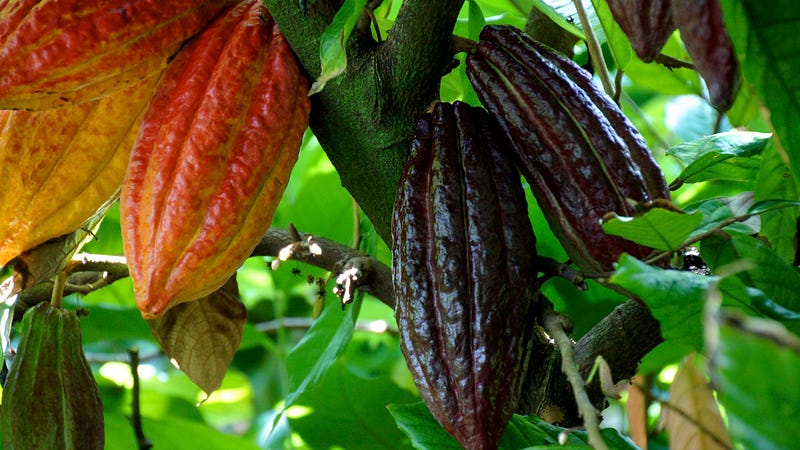
Cacao pods grow from the cacao tree. To remove a pod requires a sharp blade to make a clean cut through the stalk. Ten-year-olds are given machetes or cutlasses and spend the school day cutting down cacao pods to make chocolate for other children. And in many cases these young enslaved children have themselves, never tasted chocolate.
Cadbury issued a statement asking for the location of the farms, but to protect the children the filmmaker refused to disclose the locations saying that with the program to prevent child labour this should be knowledge they already have.
Despite their statement, we have to understand that whatever program they put in place to prevent child slavery doesn’t work. As of a 2018–2019 survey, forty-five percent of chocolate came from children.
That’s nearly 50% of all chocolate produced. The Rainforest Alliance raised the alarm showing an increase of 8.4 million children involved in child labour to 160 million in total worldwide.
What you can do now
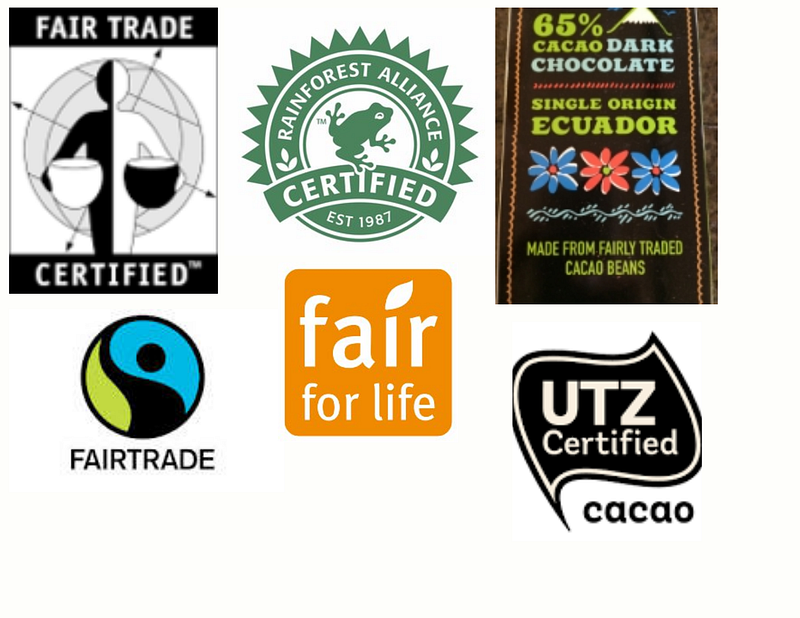
Buy chocolate that’s certified fair trade and child labour free. Visit https://www.slavefreechocolate.org/ethical-chocolate-companies for a list of slave-free chocolate available throughout Canada, the US, the UK, and around the world.
Here are logos that tell you your chocolate is slave-free:
What Cadbury (Mondelēz) should have done
If you’re serious about eliminating child labour, then pay your farmers the LID the (Living Income Differential).
The LID sets a price per tonne for cocoa, the question is whether the major chocolate companies will pay it. For 2020–2021 the LID was USD$400. If farmers were paid a living wage they
may not feel forced to use child labour to eke out a living.
As for Cadbury, remove the affected chocolate from your supply chain — take the loss — because if you can’t identify which chocolate came from child labour, why are you keen to benefit from it? Remove the chocolate, and take the hit.
For you and me, the issue of child slavery in chocolate isn’t something we should visit only during the holidays, it’s a small effort we can take year-round. We can shop for ethical cocoa, and chocolate, our action makes a difference.