avatarMarcin Wichary

Summary

Medium's platform emphasizes the importance of whitespace in written content, implementing specific rules to control its usage for aesthetic and functional purposes.

Abstract

Medium's editorial approach extends beyond the text itself to the strategic use of whitespace, which is considered as crucial as the content it frames. The platform enforces a single space policy to break the typewriter habit of double spacing between sentences. It also trims leading and trailing spaces from paragraphs and eliminates empty paragraphs upon publishing to maintain visual harmony. Vertical spacing is simplified by automatically adjusting the spacing of empty paragraphs, and code blocks are intentionally left unformatted to preserve their original structure. Additionally, Medium aligns headlines to ensure consistency in the visual presentation of text.

Opinions

  • Medium values the aesthetic and functional role of whitespace, considering it equal in importance to the text content.
  • The practice of inserting multiple spaces, particularly two spaces between sentences, is viewed as an undesirable typewriter habit that Medium actively discourages.
  • The removal of unnecessary spaces at the beginning and end of paragraphs, as well as empty paragraphs, is seen as a crucial step in maintaining the visual integrity of the text, especially for centered content.
  • Medium's approach to vertical spacing is user-friendly, relying on the intuitive use of the Enter key to space content appropriately.
  • The decision to leave code blocks unformatted reflects a respect for the original formatting and an understanding that code has its own visual language.
  • Headline alignment is meticulously adjusted for a polished and consistent appearance, reflecting an attention to detail in typography.

Death to typewriters

Part V. Whitespace is as important as content

Having covered letters, numbers, and punctuation, what’s left? The absence of letters, numbers, and punctuation. The way those things are laid out, and the whitespace surrounding it.

Whitespace is important. At Medium offices, we even have a room named after it. Here’s how we’re controlling it on the platform:

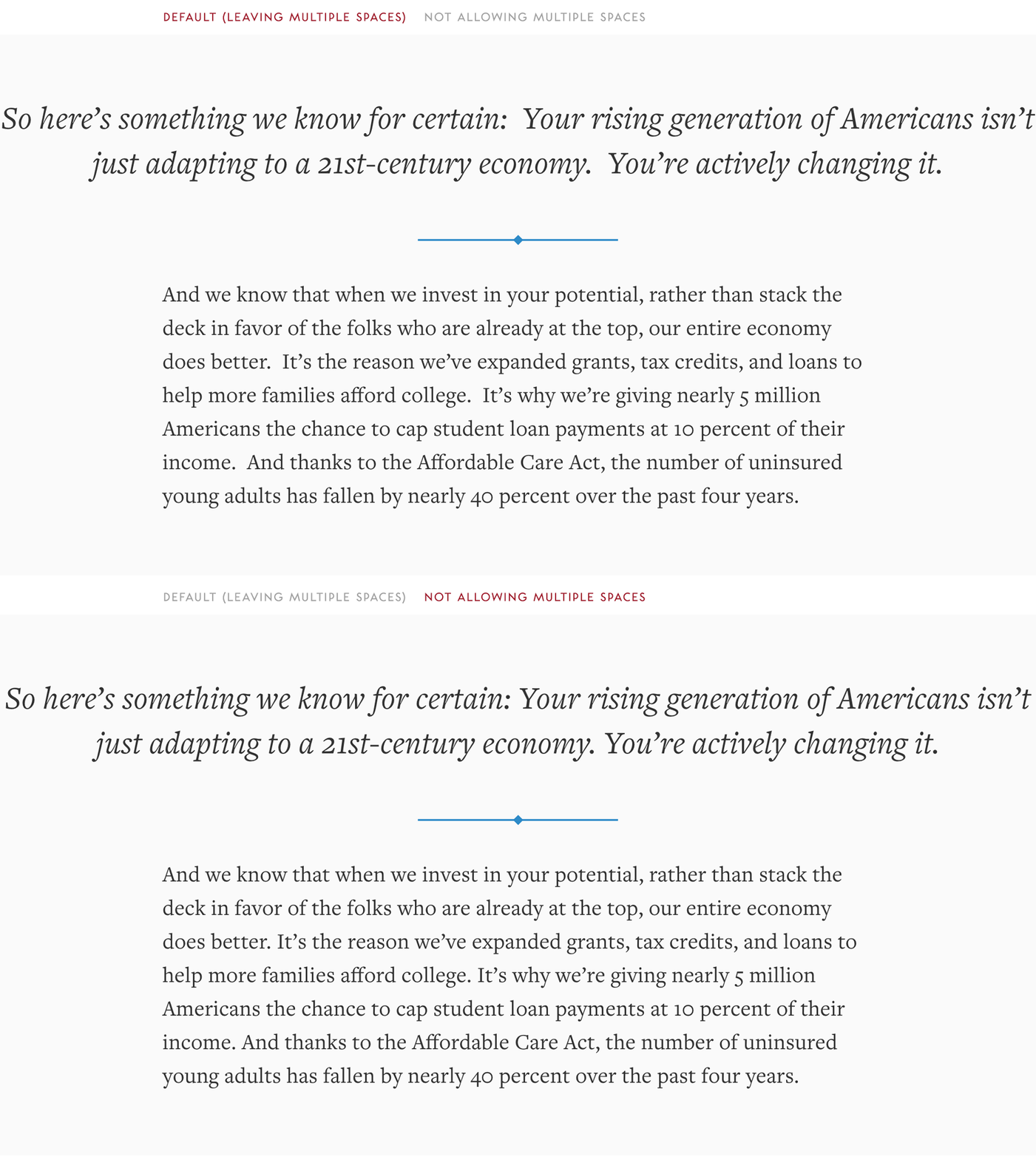
Multiple spaces. We don’t allow anyone to key in more than one space. The main reason is preventing a nasty typewriter habit of putting two spaces between sentences.
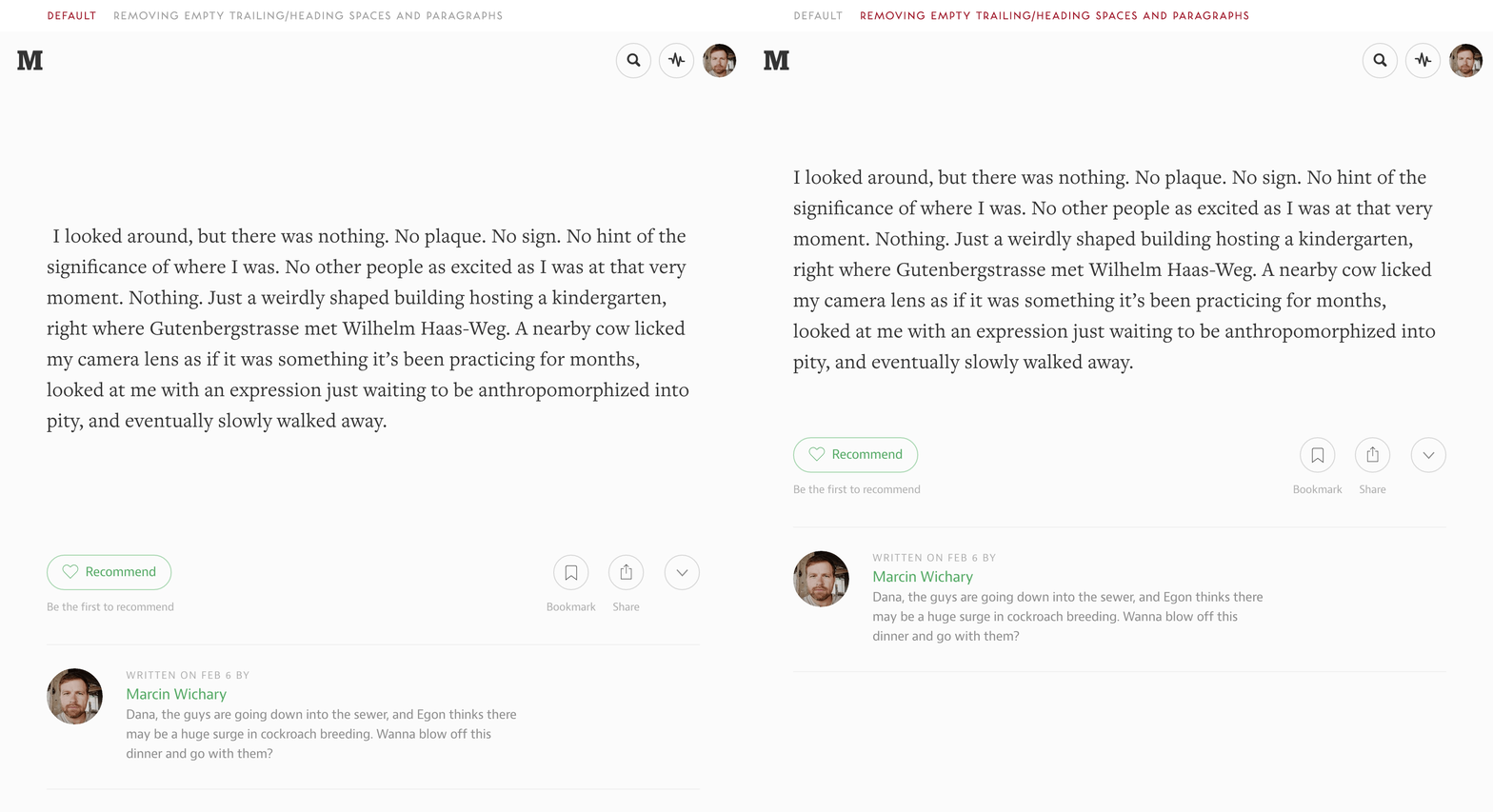
Trailing and heading spaces. The moment you publish, we remove any stray spaces at the beginnings and endings of paragraphs (important for centered text to stay truly centered), as well as any empty paragraphs at the end of your story. The reason this is done only as you publish is that it’d be annoying to mess with your spaces as you’re writing, navigating around, copying and pasting things, etc.
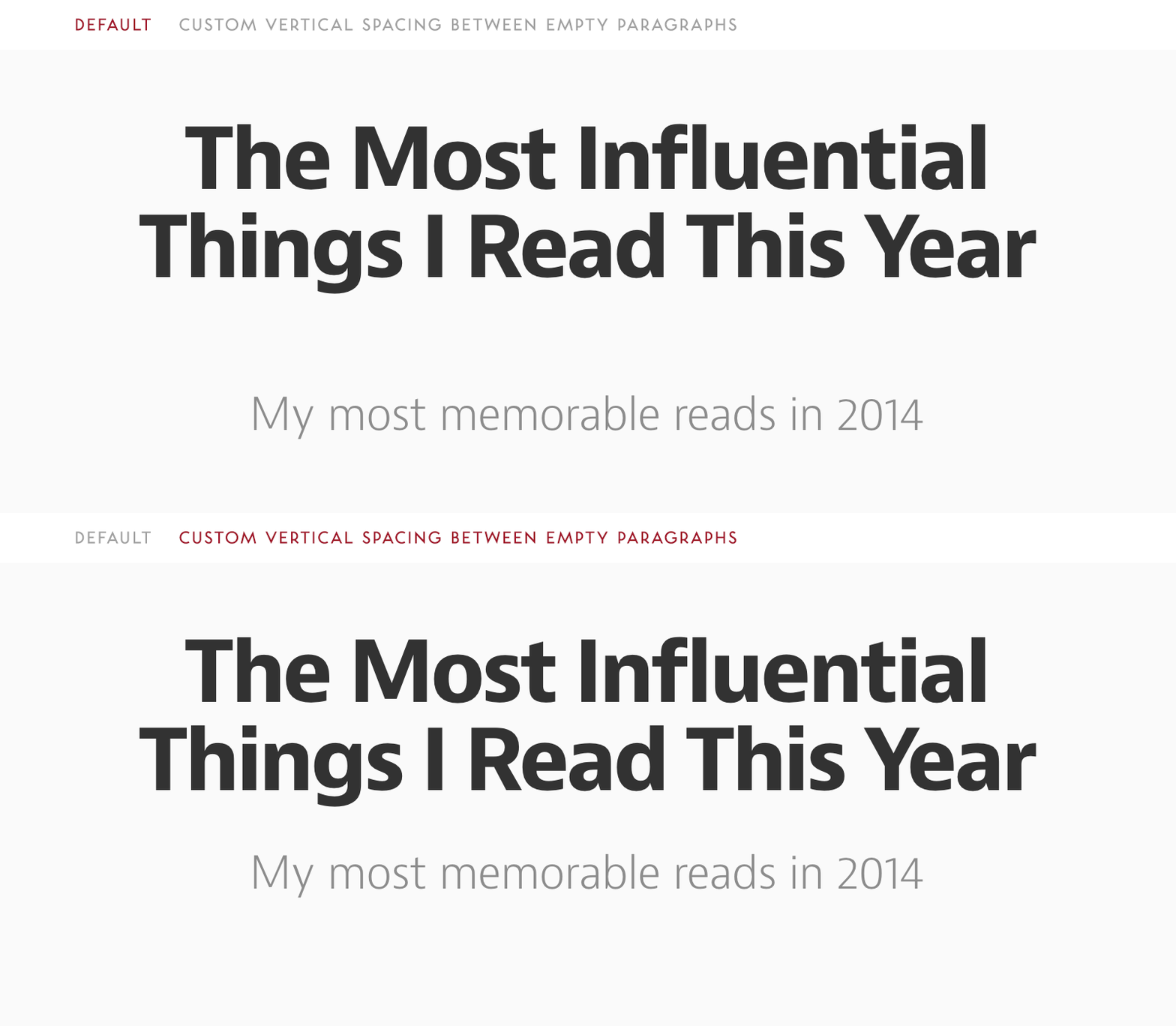
Vertical spaces. Why build a complicated alignment user interface when a perfect tool to space things around — Enter key — is understood and used by everyone? We take over and change spacing of empty paragraphs put in common places (for example between H1 and H3) so it looks just right.
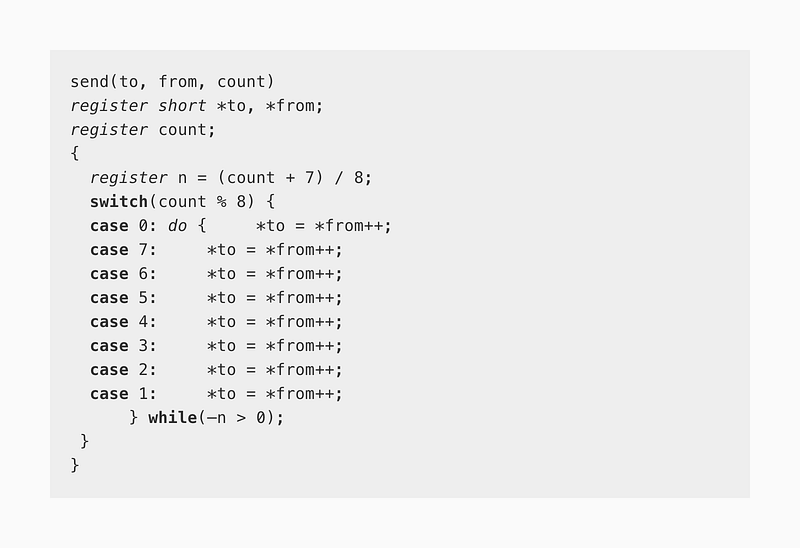
Spacing in code blocks. Just like with typography replacements, we ignore all three of the above in code blocks, which are left unformatted. (This means you can have two or more adjacent spaces in a code block.)
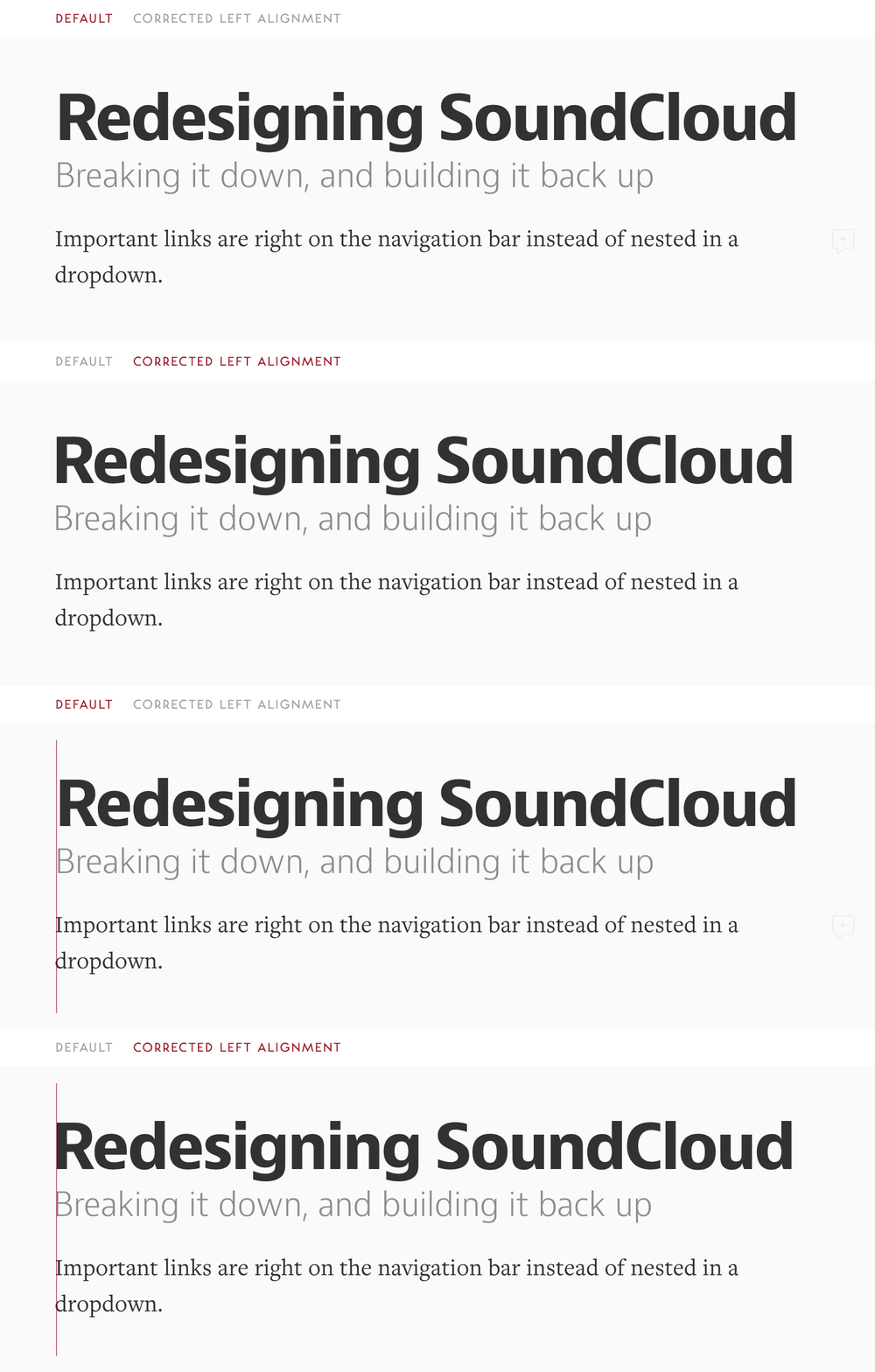
Headline alignment. We adjust the horizontal position of headlines so that the left edges of certain characters align.
« Part IV · Part VI »

Medium
Typography
Recommended from ReadMedium