
E-learning in the time of coronavirus-school-suspension
Technology remains nothing if not implemented in real life
Friends that are teachers here in Germany told me that they do not have any preparation in digital teaching/learning last week, and if schools are suspended, then that’s it for the school and the students. I am rather surprised by it because Germany is so desperate in catching up with innovations and technology (and 5G), but there are so little that is carried out in the everyday life situation. Innovations and technology are not only grand terms the government talks about, for a society to truly progress, technologies have to be used on a daily basis to really improve the life of citizens.
There are numerous of online programmes in Germany in the tertiary education system, at first glance it seems like digital learning is vibrant. However, as the government announced the suspension of schools, the problem of lacking the know-how and equipment to carry out digital learning is exposed as a national problem. In light of this, the corona-virus may once again serve as more than just a public health crisis, but an opportunity to examine what is lacking in the current social system of the society we are living in.
Digital learning or eLearning, refers to the electronic learning with the aid of computers and the Internet. Its importance has been stressed globally and it is believed that it would benefit students in the knowledge-based society that we are now in. There are numerous of attempts and initiatives on trying to incorporate digital learning in to everyday life in Germany. Be that as it may, there is yet to be any significant changes in making digital learning an efficient part of the German school sectors. And as a result, when schools are suspended, teachers and schools find themselves in dire straits not knowing how and what to do.
In Hong Kong, my alma matar is doing exceptionally amazing in digital learning. About a year ago, my Chinese teacher, Li, the convenor of FlippEdHK, has started to engage with an online teaching software, LoiLoNote and examine how he can make use online services and platforms to provide more resources for his students for self-learning, self-assessment and revision. Since then, 20 teachers in the school have incorporated it in their classroom too. This approach was proven to be successful as when schools are suspended in Hong Kong, his lessons were not greatly disturbed. With the aid of zoom.us, an online meeting platform designed for cooperates, he and other teachers are able to deliver lessons and give out assignments to students.
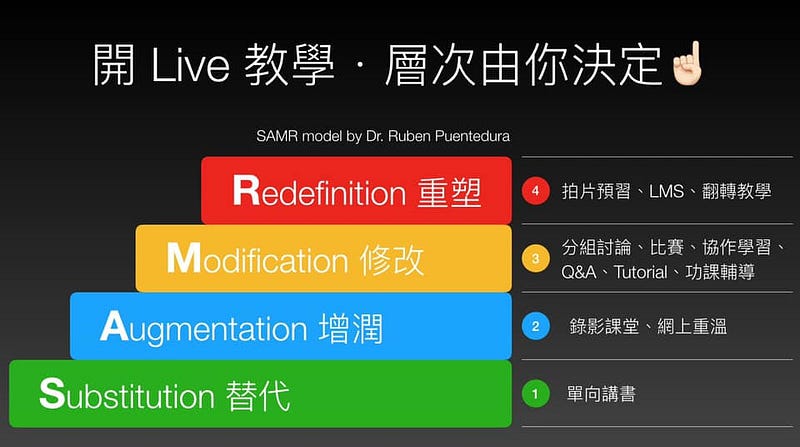
There are products and services on the digital realm that allows teachers to at least act as the substitution of lectures and lessons in this case. And on top of that, there are functions that enables further operations that are proved to be beneficial for students and helpful in cultivating a self-learning habits regardless of if schools are cancelled. (This is what education is about, right? Being an independent thinker and being able to learn by oneself)
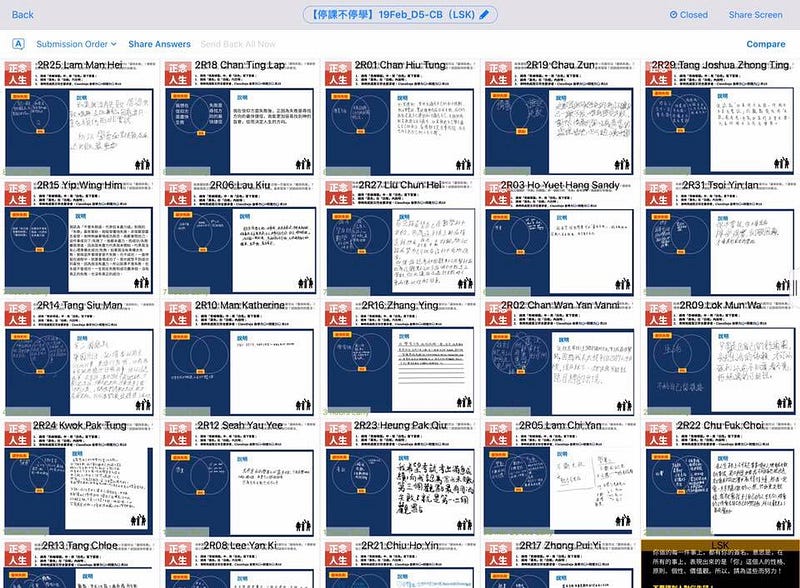
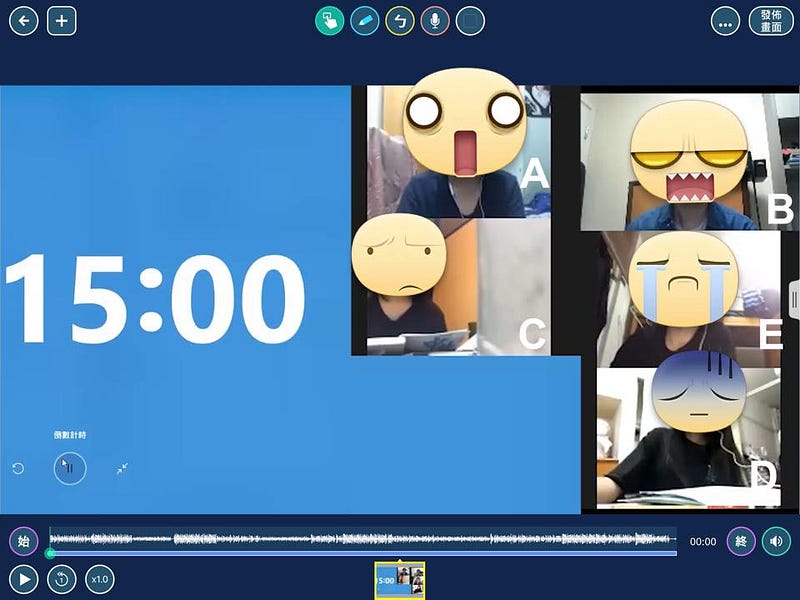
I understand the culture here in Germany is drastically different from that of Hong Kong, and this makes digital learning a completely different story here.
Privacy concerns
Privacy and data protection of the minors are one of the biggest topic in the European Union and Germany. Minors being tracked online is deeply concerned by the public as it hinders not only their privacy and personal data self-determination but also their personal safety. On the contrary, Hong Kong parents do not actually think about what sorts of privacy threat their offsprings are exposed to by engaging in whatever online services, the general mindset of ordinary citizens is “if you have nothing to hide, you have nothing to feat”, fortunately, this has begun to change due to the recent social movements in HK. Engaging in digital learning requires students to make some personal data/ information available online, i.e. their face and voice would be captured by a camera if they are engaging in an online discussion, their handwriting and grades if they are submitting assignments online, the list goes on, all can be identifiable data of the individual. And using online platforms means that the service provider can access these data, and do create certain risks regarding security and privacy.
Insufficient time for arrangement
As said, since engaging with online services and platforms requires a certain degree of disclosure of the minor’s personal data, it is essential that schools seek consent from their parents and inform them with every detail. Moreover, there are set-ups that are required to do on both the teachers and the students’ end. It may be difficult to do so because schools are suspended in a very short notice, leaving little or no time for any kind of arrangements.
Lacking the momentum to do so
Before schools are suspended, there were little momentum for schools to introduce digital learning because the current teaching works. It is natural not to want to introduce new practices as there is simply no point to it. There has never been such actual urgent need to pick up digital learning in decades, and thus there is no reason for schools to want to do so. In Hong Kong, the only reason why most schools are able to carry out digital learning is because there had been suspension of schools since last year due to protests taking place all across the city. There were urgent need for schools and students to do so — some of them are taking public exams very soon that will determine if they can enter tertiary education, students are in desperate need of learning materials and schools’ ranking are dependent on the rate of students entering universities.
I do not have any concrete solutions to the problems, it is simple interesting to look into the differences between HK and Germany in the context of digital rights, privacy and technology. My concluding thoughts are — if Germany really wants to catch up on innovation and technology, it takes more than the roll out of 5G networks, state-led initiatives and window dressing speech about technologies. It takes effort to implement technology in real life situations, this is how the environment of innovations is cultivated. Without the citizens actually benefiting from it, technology remains nothing but a fancy term.


