
Dynamite for Children
“no great poet has ever been afraid of being himself.” Langston Hughes
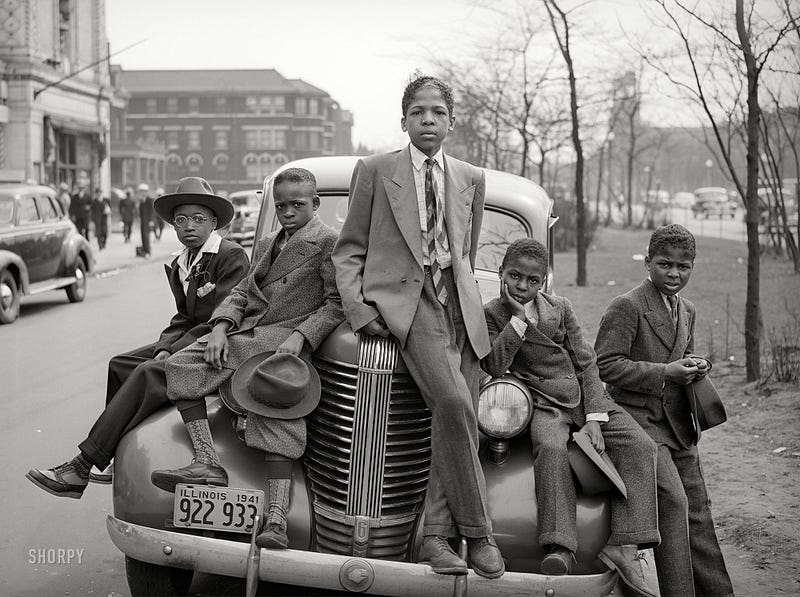
I came across a haunting poem around Christmas, Carol of the Brown King by Langston Hughes. Though it has a Christmas story, the message is evergreen. Some call it a children’s poem, though that couldn’t be farther from the truth. I would call it dynamite for children, more on that below.
Hughes uses language common to the time (as you’ll hear in Martin Luther King Jr. speeches tomorrow), that could be either archaic or offensive today. He speaks into a segregated America with precious little middle-ground. As imperfect as America (and our world) remains, vast progress has happened in the past 60–70 years. I hope Dead Poets Live can serve as a testament to this progress, as we, with varied backgrounds, ethnicities, walks-of-life, and nationalities share a common love of poetry. Here today, and hopefully one day everywhere, we may all have a seat at the table as equals and friends.
Carol of the Brown King by Langston Hughes
Of the three Wise Men Who came to the King, One was a brown man, So they sing. Of the three Wise Men Who followed the Star, One was a brown king From afar They brought fine gifts Of spices and gold In jeweled boxes Of beauty untold.
Unto His humble Manger they came And bowed their heads In Jesus’s name. Three Wise Men, One dark like me — Part of His Nativity.
Hughes is painting a picture of insider vs. outsider in the America of the 1920s-1960’s through these simple words, innocuous on the surface, burning in context. He speaks to the revisionist history of American Christianity, where it is common at Christmas to see nativity scenes with fair-skin baby Jesus, his porcelain family, three magi, two white and one black, wearing crowns and holding gifts for the baby.
10,000 untold stories lie just beneath the surface of Black Like Me. Hughes doesn’t outright say, “Christianity is white man’s religion.” He doesn’t say, “Black lives matter.” He is sly and subtle in his address of presence and belonging.
Hughes asks, in effect,
What if someone like me was present in this pivotal moment of culture and history? What if someone like me was there, not riding in a segregated bus, drinking from a different water fountain, not relegated to a different part of the city, but with a seat at the most important table, wearing a crown? How would you respond to that person?
Publisher Simon & Schuster packaged Carol of the Brown King with Ashley Bryan illustrations into a children’s book. Maybe this is for the best, as children may absorb reality better than adults. But it does seem to me like a punt — let’s give dynamite to children rather than have a substantial discussion among adults. If you’d like to see what riled me up, compare the product description to Hughes’ poem Merry Christmas.
I found a NYT review about Ashley Bryan with a brilliant line: “In what language is there a word that means, ‘a picture book that makes adults cry while children’s eyes remain dry’? You might cry as you read these books, raw with love and fear. Your children might look at you and think, hmm, weirdo. But, remember, to feel is courage.” I do hope this is the result for readers of Carol of a Brown King, even if not the publisher’s intent.
Prompt: _______ Like Me
Your challenge, if you choose to accept: write a poem filling in the blank for yourself.
Where have you seen yourself excluded?
Who do you see as inspiration, someone who crossed lines or boundaries to be in a position that you aspire to?
What makes you raw with love and fear?
What reminds you of you?
Be subtle, yet strong — think dynamite for children.
Several other Langston Hughes poems and writings below, and responses to the previous prompt. I know the narrative poem style was a challenge, but the responses were fantastic. Enjoy.
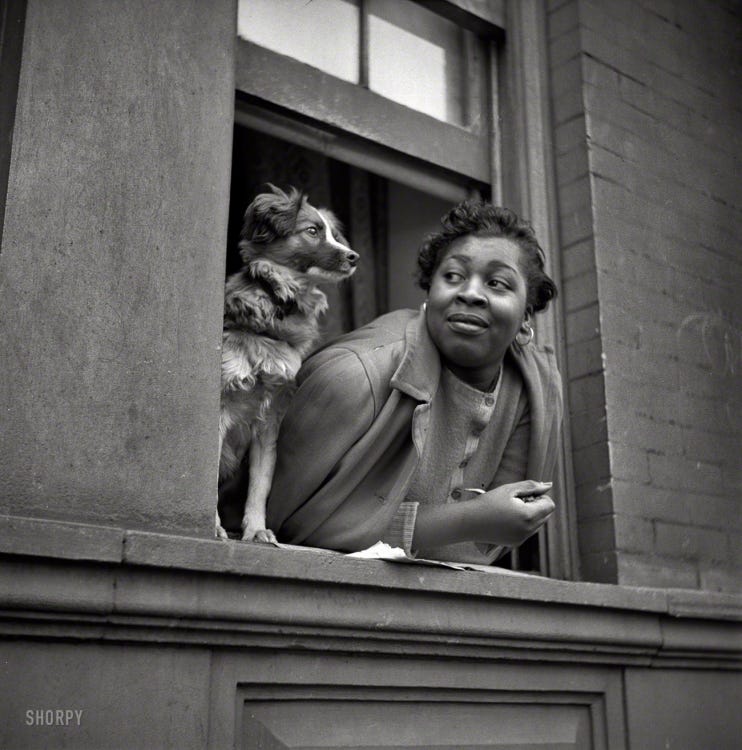
Dream Variations
by Langston Hughes
To fling my arms wide In some place of the sun, To whirl and to dance Till the white day is done.
Then rest at cool evening Beneath a tall tree While night comes on gently, Dark like me —
That is my dream! To fling my arms wide In the face of the sun, Dance! Whirl! Whirl! Till the quick day is done. Rest at pale evening . . . A tall, slim tree . . . Night coming tenderly.
Black like me.
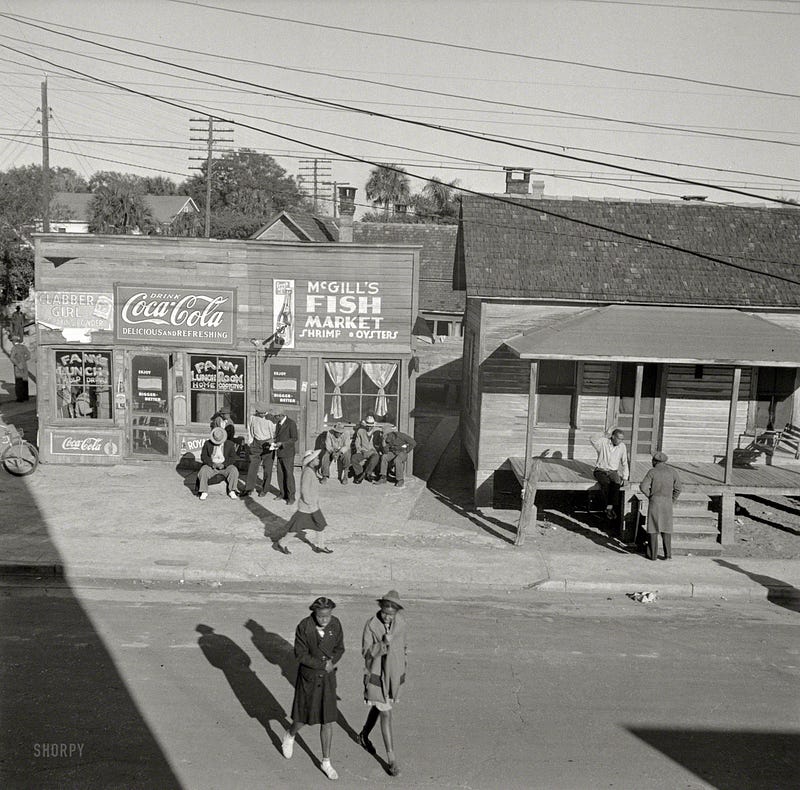
One of the most promising of the young Negro poets said to me once, “I want to be a poet — not a Negro poet,” meaning, I believe, “I want to write like a white poet”; meaning subconsciously, “I would like to be a white poet”; meaning behind that, “I would like to be white.” And I was sorry the young man said that, for no great poet has ever been afraid of being himself. And I doubted then that, with his desire to run away spiritually from his race, this boy would ever be a great poet.
From “The Negro Artist and the Racial Mountain,” essay by Langston Hughes
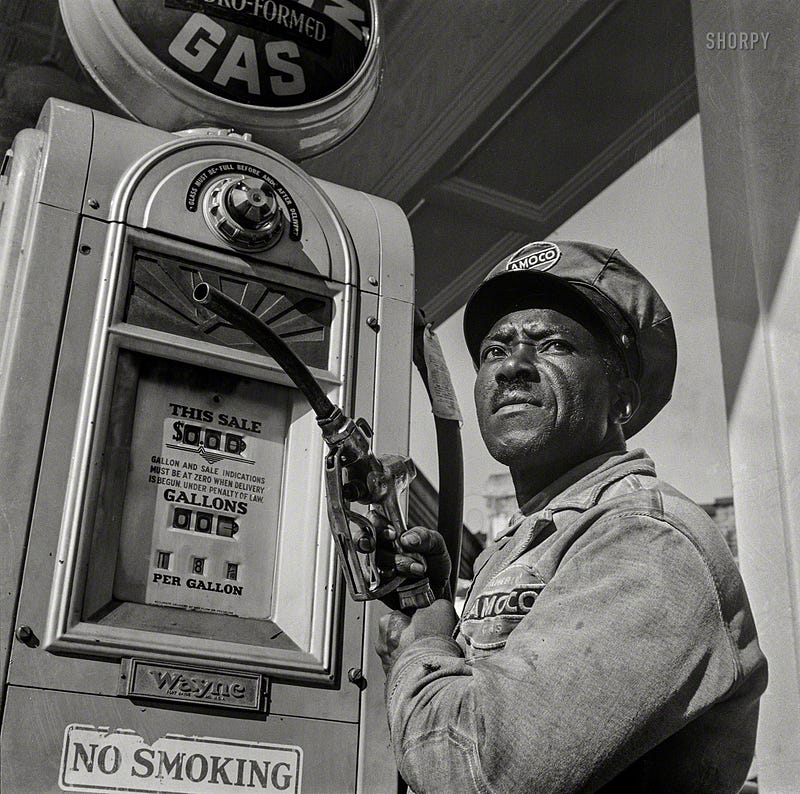
I, Too Langston Hughes
I, too, sing America.
I am the darker brother. They send me to eat in the kitchen When company comes, But I laugh, And eat well, And grow strong.
Tomorrow, I’ll be at the table When company comes. Nobody’ll dare Say to me, “Eat in the kitchen,” Then.
Besides, They’ll see how beautiful I am And be ashamed —
I, too, am America.
Previous prompt: Gwendolyn Brooks, narrative poem
Guérin Asante Sylvia Wohlfarth Dennett Anna Rozwadowska Lindsay Lonai Linegar Carver Bain Michelle Muses Aaska Ejaz Chiedza Kikumi LB Blue Fences kurt gasbarra
Jo Ann Harris FILZA CHAUDHRY Suwimali Bandara Kurt Gasbarra Crystal E.Wild Flower Sarah Book Amy Jo Reynolds antoinette nevitt Dennett Joe Váradi Austin Briggman Dana Sanford Shringi Kumari Anisesh Tracy Aston wimpy af Ashwini Dodani Vaishali Paliwal Leah J.🕊 Tapan Avasthi Maymuuna Seth Cason Brian Fehler Simon Heathcote Sonam Arora Nadine Morsch Ngang God’swill N. Lisa Tomey Shobha Roy D. E. Fulford poetsarah Gretchen Lee Bourquin 💗POM-poet!💗 Joey L. Sara Stasi Abigail Siegel M.J. Falke Samantha Lazar


