Summary
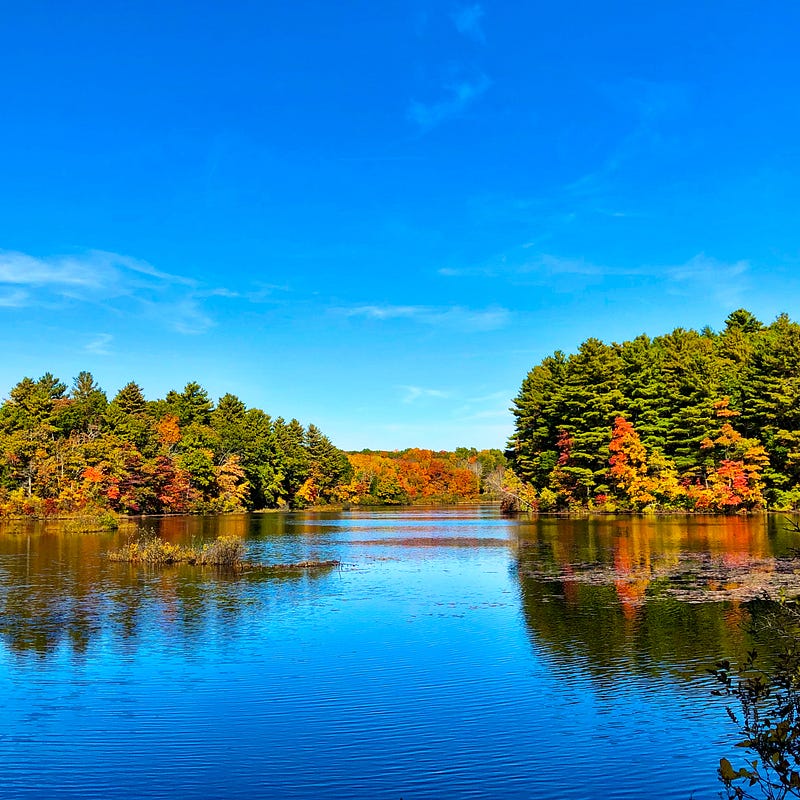
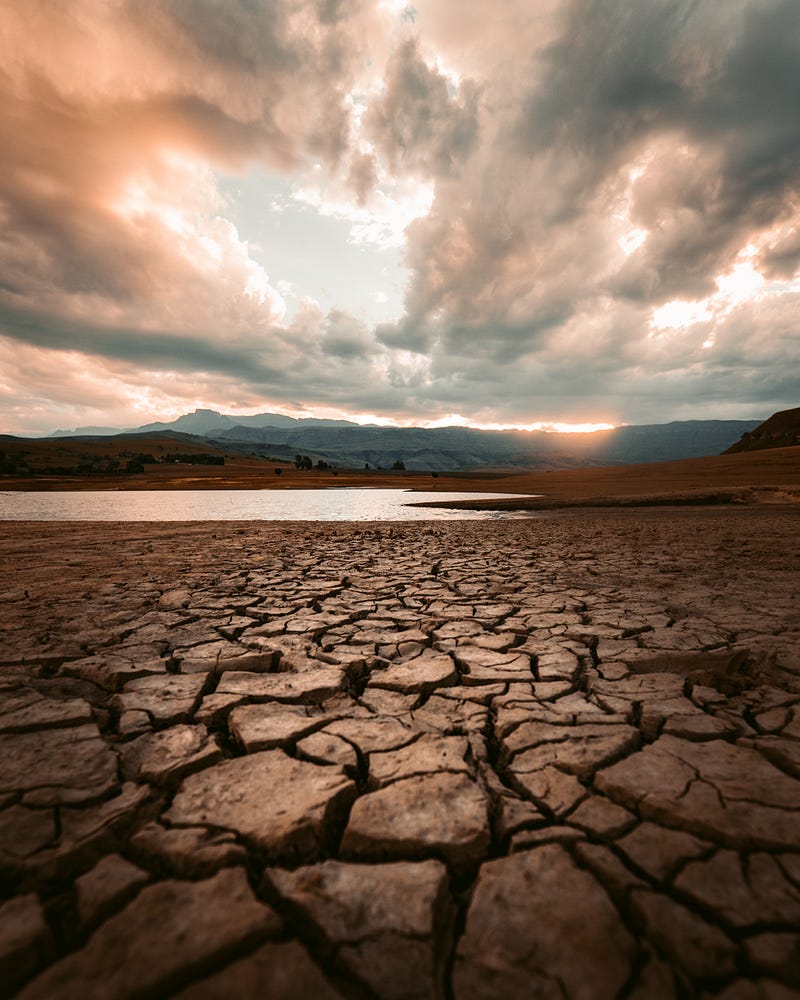
The content describes the transformation of a lakeside landscape from a serene, thriving environment to a dried-up, desolate scene over the course of three weeks, reflecting on the effects of drought.
Abstract
The text is a reflective account of a lakeside area that undergoes a dramatic change due to drought. Initially, the lake is vibrant with tranquil waves and lush greenery under a pale blue sky. However, within a week, the lake turns into a parched bed of sun-soaked crusted dirt, causing the author to feel sorrow at the sight of the once lively and now barren landscape. The leaves are described as bronze and mauled with holes, and the earth is littered with acorns, painting a picture of desolation. Despite the stark reality of the situation, the author acknowledges the natural cycle of rebirth and looks forward to the renewal that will come next year, as evidenced by the birds' migration.
Opinions
- The author perceives the initial scene as peaceful and full of life, with nature providing a picturesque setting by the lake.
- There is a sense of impending change and the fragility of nature as the leaves anticipate their demise, clinging to their roots.
- The rapid transformation of the landscape from lush to desolate evokes a strong emotional response, with the author expressing shock and sorrow.
- The author appreciates the natural cycle, recognizing that the drought and subsequent death of vegetation is part of a larger ecological process that includes rebirth and renewal.
- The presence of acorns amidst the dry earth suggests a glimmer of hope or potential for future growth, despite the current state of drought.
- The act of reflecting on nature's processes is seen as a way to cope with the immediate pain of witnessing environmental change and loss.