
Drones and Electronic Warfare: The Struggle for Electronic Supremacy in the Ukraine-Russia War
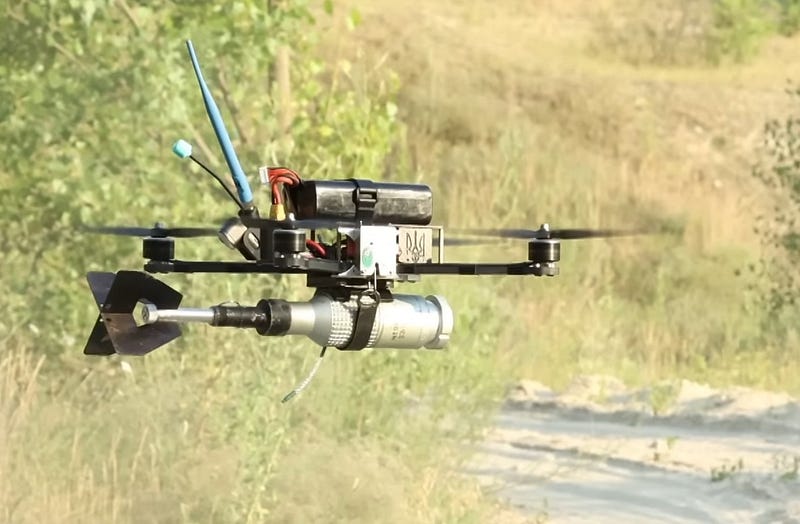
As the war between Russia and Ukraine, the battlefield has become a testing ground for innovative weapons and tactics, with drones and electronic warfare (EW) systems playing an increasingly crucial role. Ukraine, long known for its prowess in first-person-view (FPV) drone technology, has leveraged these agile and cost-effective uncrewed vehicles to great effect. These drones, capable of recording dramatic footage and guiding precise artillery strikes, have become a symbol of Ukraine’s resilience and ingenuity in the face of a larger, better-equipped adversary. As Oleksandr Shtupun, former spokesperson of Ukraine’s Tavria grouping of forces, noted in December 2023, “FPV drones have proven to be an effective weapon.” Mykhailo Fedorov, Kyiv’s Minister of Digital Transformation, heading up Ukraine’s drone efforts against Russia, also told Newsweek at the time that “they work sometimes even more efficiently than artillery.”
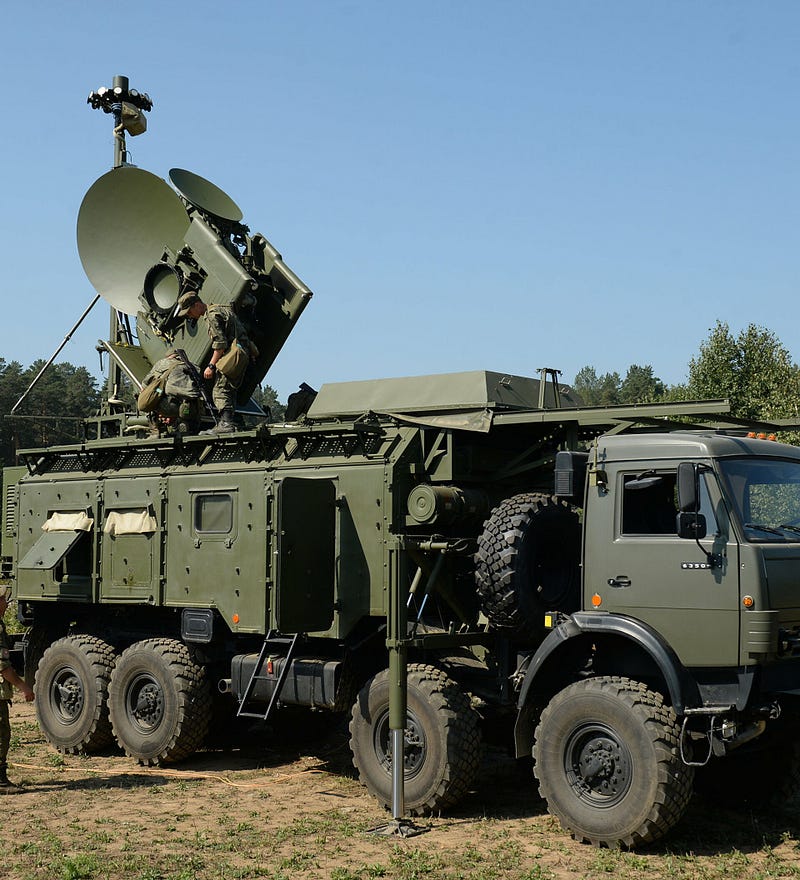
However, Russia has not been idle in its response. Faced with the growing threat of Ukrainian FPV drones, Moscow has adapted its EW systems to jam the signals guiding these uncrewed vehicles. As an influential Russian military blogger wrote in a post to the Telegram messaging app on Sunday, “The enemy is already changing frequencies and ordering industrial production with this changed parameter from foreign factories. Our electronic warfare is not always effective against them.” This technological arms race has echoes of historical conflicts, where adversaries constantly sought to outmaneuver each other through innovation and adaptation. Ukrainian sources have also reported that Russia’s military has moved its own FPV drones to frequencies different to those often used by Ukraine’s electronic warfare (EW) systems, in particular the portable versions, Samuel Bendett of the U.S.-based think tank the Center for Naval Analyses (CNA) told Newsweek on Monday. Both sides appear to believe the other is producing more FPV drones, but it is very difficult to discern true numbers, he added.
A quick heads-up: Medium’s been tweaking its algorithms and it’s getting trickier for my stories to land in your feed. So, if you enjoy my work, please make some noise! Hit that clap button, light up the highlights, or drop a comment. Every interaction helps keep the stories flowing. Thanks for your support!
The battle for control of the electromagnetic spectrum has become as crucial as the fight for territory on the ground. As Bryan Clark of the Hudson Institute observed, “Electronic warfare has impacted the fighting in Ukraine as much as weather and terrain.” This insight underscores the complexity of modern warfare, where success depends not only on the bravery of soldiers but also on the ability to dominate the invisible battlefield of radio waves and satellite signals. Ukraine had dominated FPV manufacturing in the early parts of 2023, but Russia responded by ramping up its own production programs. Kyiv, meanwhile, has run several fundraisers to keep up its supply of the cheap, but crucial, drones. “Multiple Russian volunteer, state and affiliated manufacturing efforts have significantly ramped up FPV development and shipped large quantities to the front,” Bendett previously told Newsweek, adding in mid-December that Russia was likely receiving tens of thousands of FPV drones from these efforts each month. A Ukrainian commander said in mid-December that Kyiv’s fighters had just one FPV drone for up to seven Russian FPV drones in key battleground sectors of eastern and southern Ukraine.
Drones and EW are part of both Moscow and Kyiv’s efforts to restrain one another at several points along the frontline. Russian forces have pressed westward since its forces captured Avdiivka, a city that had weathered a decade on the frontlines in eastern Ukraine and was considered a Ukrainian stronghold, in mid-February. It was the first major win for the Kremlin since it claimed the destroyed Donetsk city of Bakhmut, northeast of Avdiivka, and Ukraine has since withdrawn from a handful of villages west of the city. Moscow’s troops have also advanced to the west and south of the Russian-controlled city of Kreminna, including east of the village of Terny. Ukraine said on Monday that Russia had launched 11 attacks around the villages of Tabaivka and Synkivka, close to the Kharkiv city of Kupiansk. The Institute for the Study of War (ISW), a Washington-based think tank, has previously dubbed Russia’s increased operations around Svatove, Kreminna and Kupiansk – a key railway hub – a “cohesive multi-axis offensive operation.” Russia is “having some success” in this sector of the frontline, the commander of the 13th Brigade of Ukraine’s National Guard, told Newsweek in late February.
The ongoing conflict in Ukraine is not merely a regional dispute; it has far-reaching implications for the global balance of power and the future of warfare. As both sides continue to adapt and innovate, the world watches with bated breath, knowing that the outcome of this conflict could shape the course of the 21st century. The war in Ukraine is a stark reminder of the human cost of geopolitical ambitions and the enduring relevance of military strategy in an age of rapid technological change.
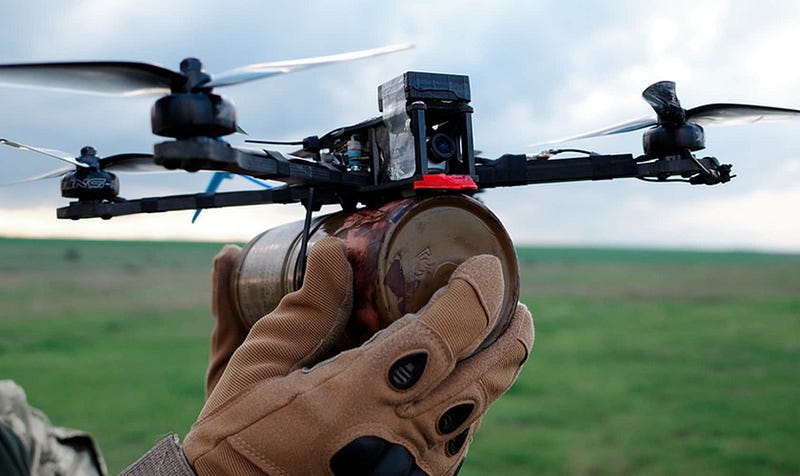
The use of drones and EW systems in the Ukraine-Russia conflict is a microcosm of the broader trends in modern warfare. The proliferation of relatively inexpensive, yet highly capable uncrewed vehicles has democratized access to advanced military technology, allowing smaller nations like Ukraine to level the playing field against larger adversaries. At the same time, the increasing reliance on electronic systems for communication, navigation, and targeting has made the electromagnetic spectrum a critical domain of warfare.
As the conflict continues to evolve, it is likely that both sides will continue to invest heavily in drone and EW technologies. For Ukraine, maintaining a steady supply of FPV drones and developing countermeasures against Russian EW systems will be crucial to its ability to resist Russian advances and launch counteroffensives. Russia, on the other hand, will need to further refine its EW capabilities to neutralize the threat posed by Ukrainian drones, while also expanding its own drone fleet to gain a tactical advantage on the battlefield.
Beyond the immediate tactical implications, the lessons learned from the Ukraine-Russia conflict will have far-reaching consequences for military doctrine and strategy around the world. As other nations observe the effectiveness of drones and EW systems in real-world combat, they will undoubtedly seek to incorporate these technologies into their own military arsenals. This could lead to a new arms race, as countries scramble to develop and acquire the latest drone and EW capabilities.
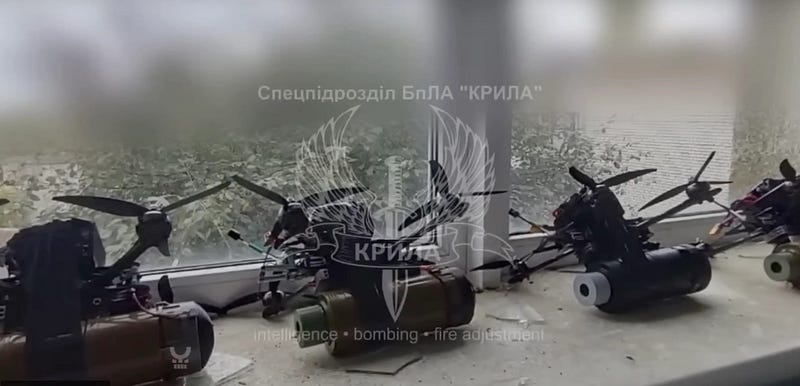
Moreover, the conflict in Ukraine has highlighted the importance of adaptability and innovation in modern warfare. As the battlefield becomes increasingly complex and multi-dimensional, the ability to quickly develop and deploy new technologies and tactics will be essential to success. This will require not only significant financial investments but also a fundamental shift in military culture and organization, emphasizing agility, experimentation, and cross-functional collaboration.
In conclusion, the ongoing war between Russia and Ukraine has become a crucible for the future of warfare, with drones and electronic warfare systems playing a central role. As both sides continue to adapt and innovate, the lessons learned from this conflict will have far-reaching implications for military strategy and geopolitics in the years to come. It is a stark reminder of the enduring relevance of military power in shaping the course of history and the need for constant vigilance and preparedness in an increasingly complex and unpredictable world.


