
TRAVEL
Drinking, Sexing, Exploiting Vulnerable Women: The Lucrative Job Attracting Young Japanese Men
No education needed — just the ability to make a woman empty her purse

“The more I drink, and the more I have sex, the more money I make. Your work is helping students, my work is helping lonely women.”
I didn’t have a witty comeback, or an insightful nugget of wisdom that might make this young Japanese man in front of me rethink his career choices. So, I just kept listening.
“Last month, I made about $7,000, and the month before that, I made almost $10,000. The top earner made more than $20,000. My goal is to make more than $10,000 every month.”
I was supposed to be listening to Takahiro’s English pronunciation and correcting his grammar, but I was lost in thought trying to comprehend how this 25-year-old high school dropout with 1980s glam rock hair and meticulous mascara, was earning more than me, an associate professor at university with a Doctor of Education.
Sex sells.
And loneliness is willing to pay for it, apparently.
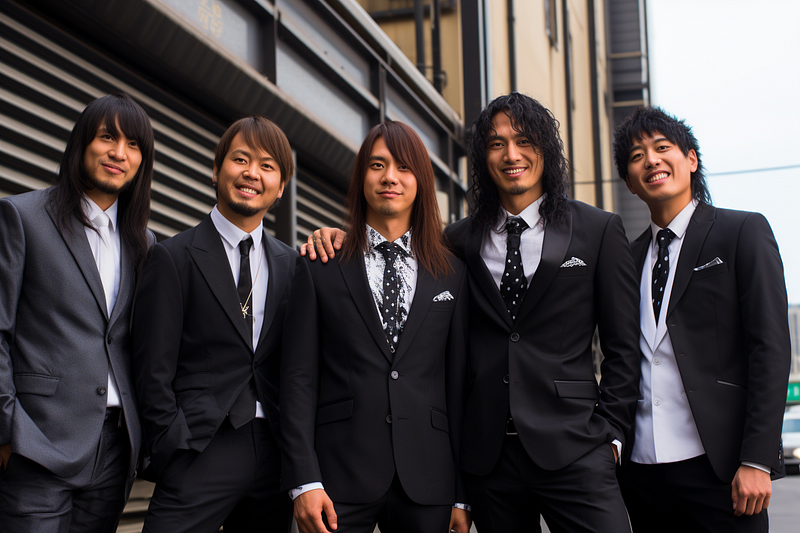
Takahiro was a “host”, a young man who, like many of his generation, had chosen to work deep inside dark, smoky clubs at night — clubs frequented exclusively by paying women.
He provided a shoulder to cry on, a body to lean on, and a rock-hard penis to bounce up and down on.
His job description was simple — keep the female clients entertained and get them to loosen their legs, along with their purse strings.
“Do your parents know what you do?” I asked, curious as to whether they knew how much their son was raking in for his specialized set of “services”.
“They know I work in clubs at night, but they don’t ask any more than that,” he said.
Japanese people keep a lot of secrets. Even from their families.
“There’s no way I could do what you do,” I said.
“Why not?” he asked.
I wanted my reasoning to skewer him straight between the eyes and batter him with morality, but I figured I’d play diplomatic. After all, he was paying me handsomely to help him with his English.
“Well, at my age, I can’t really drink that much. A couple of beers in the afternoon while I watch Australian footy is good enough for me. Plus, I can’t deal with the hangovers, especially with two young daughters,” I said.
“How much do you drink every night, Takahiro?” I then asked, steering the conversation back to him.
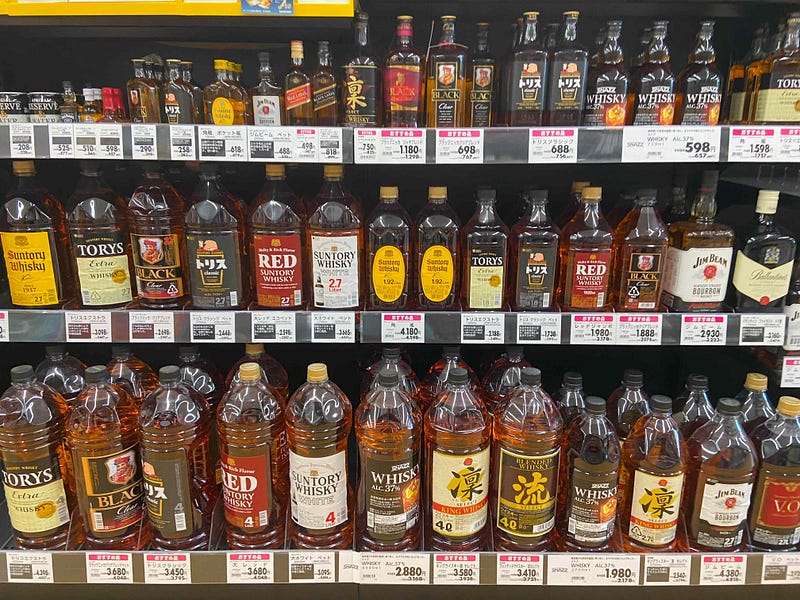
“No idea, to be honest, but at least four bottles of whiskey a week and then whatever shots the clients buy each night,” he said, with a casual shrug of the shoulders.
I felt sick just imagining it.
“How long do you think you can keep doing it?” I asked.
He laughed, then took a sip of Chivas Regal while he thought about his answer.
“Not sure, but the oldest host at our club is 32. Most finish before they’re 30.”
“Make as much money as you can before your body says no?”
“Make as much money as you can and hope you become a rich woman's toyboy is the goal for most of us.”
Again, I was lost for words.
In Japan, kyabakura — a shortened combination of cabaret club — are clubs where men go to buy extortionately priced drinks and flirt with women younger than their daughters. Richer men often take it further and set up girls to be their secret nookie on the side in return for gifts or downtown apartments.
But toyboys? And sugar mommas? I don’t know why I was surprised, it’s Japan, after all. The land of secret sex. But I was taken aback.
Rich, older women lavishing younger men with trappings in exchange for affections and erections.
The ultimate revenge on husbands who spend their time and energy on hidden women…
While I thought it was a seedy pocket of life that would inevitably end in tears, revenge and recriminations, I figured they were adults doing what they wanted with their money (or their partner’s).

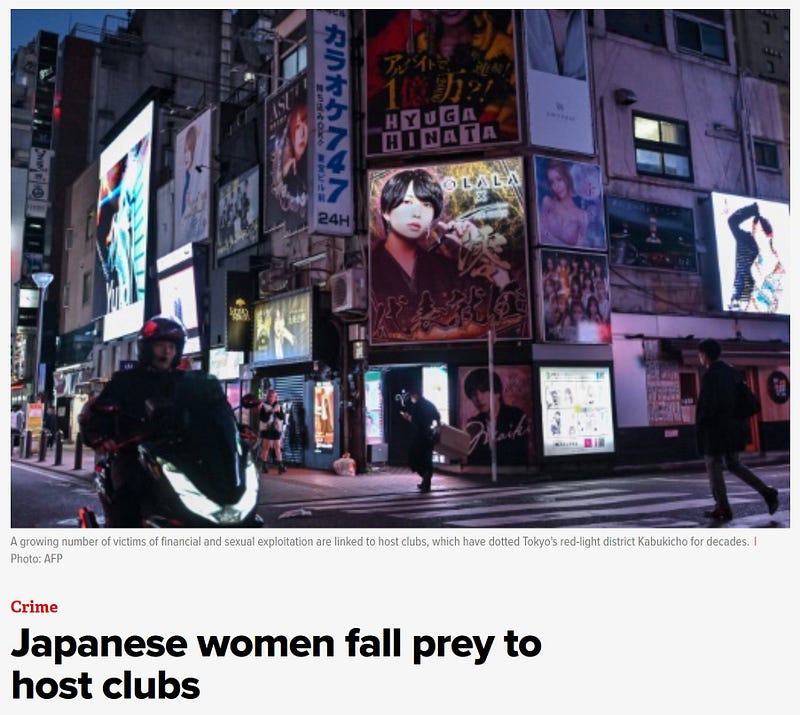
But I couldn’t skip over the seedier side of host clubs, a side that had made news in Japan in recent times.
“What about girls who can’t pay their bills?” I asked.
Takahiro’s mood immediately shifted, his countenance suddenly cold and stiff.
He took a bigger sip on his Chivas.
“I’m not really sure,” he said. “My bosses take care of that stuff.”
His bosses, I thought…
With two young daughters, 7 and 5, my mood had shifted, too. I tried not to let it filter through my words, but we both knew what the other was thinking.
Japan is no different from anywhere else in the world — it is full of lonely people, including young girls. Some are victims of domestic abuse, some have run away from home. Some don’t have homes to run from, and some just want to be loved.
Many find their way into host clubs, where the young men working the tables tell them exactly what they want to hear.
The hosts make the young women feel good for fleeting moments — for the cost of an expensive drink. Help them forget the problems of their everyday lives — for the cost of an expensive drink. And show them what happiness really can look like — for the cost of an expensive drink.
But the cost of those expensive drinks quickly adds up.
And when the girls can’t pay off the drinking debts they accrue, that’s when the “bosses” step in.
Recent news reports speak of forced prostitution, forced forays into adult movies, forced jobs that no parent ever wants to imagine their daughters involved in.
“Do you have many younger clients?” I asked Takahiro.
“No,” he said. “I used to, when I first started, but then I started to earn more and get more experience. When you get to a certain level, you only work with higher paying clients, and eventually with VIPs only.”
Again, I was gobsmacked.
In effect, it seemed that Takahiro was saying the clubs used the younger girls as training for the hosts. A kind of wining, dining, and schmoozing apprenticeship to help them work their way up from the Uniqlo’s to the Louis Vuitton’s.
And if the girls couldn’t pay while the hosts perfected their wily art of cash extraction?
Shrug the shoulders and let “the bosses” step in.
Pay to play taken a little too literally for my sensitivities.
Takahiro looked at his watch.
“Same time next week?” he said, as he handed over a crisp 10,000 yen note.
“Sure,” I said, as I took the note and placed it carefully in my wallet.
I couldn’t ignore the uncomfortable truth that the money he was giving me was coming from the work he was doing at the host clubs.
Am I part of the problem, I thought. Or is this just how capitalism and the exchange of money works in modern times?
I said goodbye to Takahiro, watched as he disappeared into the darkness of the night, then resolved never to let my daughters anywhere near host clubs as long as I live.
They might be a lucrative career option for young Japanese men, but they won’t be getting contributions from either of my girls.


