
(HOW) HAVE LGBTQ FILM & LITERATURE SHAPED YOU?
Dr Who’s Madame Vastra Hit Differently After I Came Out
How the series speaks to me and for me
The year is 2014. Matt Smith has handed over the TARDIS key to Peter Capaldi. At the time, many young fans vowed they wouldn’t watch an “old and ugly” Doctor since the departure of Matt Smith at the end of his final episode, The Time of The Doctor, broadcast on Christmas Day 2013.
It was with the “old and ugly” comments ringing in our ears that we all sat down to watch Peter Capaldi’s first episode… Deep Breath. Two scenes address the change. The first is Vastra’s frank explanation about veils to Clara (the subject of this article). The second is at the end where Capaldi’s Doctor says to Clara, “you don’t see me, do you? I’m right here.”
Doctor Who fans are used to this change even though it often needs repeating that change is good and a core part of Doctor Who. The concept of making regeneration a core part of his biology is the reason the series is now 60 years old and forever attracting new audiences.
We have always gone through the process of sadness over the current Doctor leaving, a cautious optimism about the next one, and a determination that the next couldn’t possibly be as a good. It’s almost a rite of passage for the typical Brit, and now we’ve exported that to the rest of the world too!
Capaldi had some huge shoes to fill, not only in following on from both David Tennant and Matt Smith, but going against the trend of younger Doctors. Capaldi was actually the second oldest Doctor going by the first day of filming. The first Doctor William Hartnell was the eldest, beating Capaldi by just a few months.
Around halfway through the episode with The Doctor passed out in an upstairs bedroom, Madame Vastra, the lizard woman from the dawn of time (her own words) sat Clara down for some home truths about The Doctor’s new face.
Clara is in pain. The Doctor she thought she knew, and one she hinted at feeling the first tingles of romantic feelings for, is gone. In his place is an eccentric and confused man who is old enough to be her father (Peter Capaldi was 55 at the time while Jenna Coleman was 27). The conversation went a little something like this (paraphrasing because I don’t want the BBC to send a takedown notice):
Clara: “The Doctor is gone.”
Vastra: “No he isn’t. He’s upstairs. He’s been renewed.”
Clara: “He doesn’t look it. He looks old.”
Vastra: “You thought he was a handsome young man? The Doctor has had many faces, faces that he changes for everyone else’s comfort. That’s the one he wore for you.”
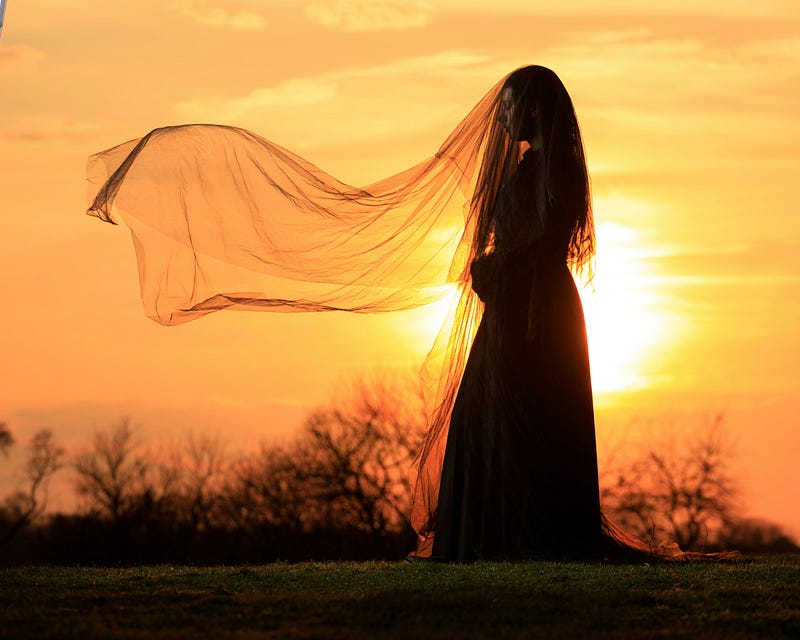
Vastra then goes on to talk about veils — specifically the literal veil she must wear in public. Vastra is not human, she’s a Silurian — a sentient lizard species. While the presentation of being a rich woman gives Vastra certain privileges and leeway (that fellow Victorian wealthy people have taken to the belief that she is disfigured rather than not human), that only gets her so far. The veil also serves another purpose — it hides her sexuality. Vastra’s veil is black, which suggests to those around her that this woman who has no male companion is a widow. Vastra is a lesbian; her wife Jenny wears the veil of “maid” in polite company. Nobody seems to question it.
I always felt Vastra was being harsh in this conversation, though understandably so as a woman who just spent several minutes explaining all the veils she must wear to keep her truths secret from the world. These are veils she must wear for own safety and everyone else’s comfort, not dissimilar from the faces The Doctor wears for humans’ comfort. Certainly there are people who would have deserve to get both barrels, but the ire directed at Clara is misplaced.
But that conversation hits differently now. I always got where Vastra was coming from, and I sympathised just as I would any queer person who has lived their life in the closet. What changed is that for the first time I felt that Vastra was speaking both to me and for me. I started to realise that I’d been wearing masks all my life for everyone else’s comfort just like Vastra.

This story is a response to the Prism & Pen writing prompt, (How) Have LGBTQ Film & Literature Shaped You?
Here are other brilliant stories based on this prompt: