
Dopesick: Overcoming Addiction and Mental Health Issues
The story of the depressed girl who found herself addicted, depressed, and dope sick before her 21st birthday….
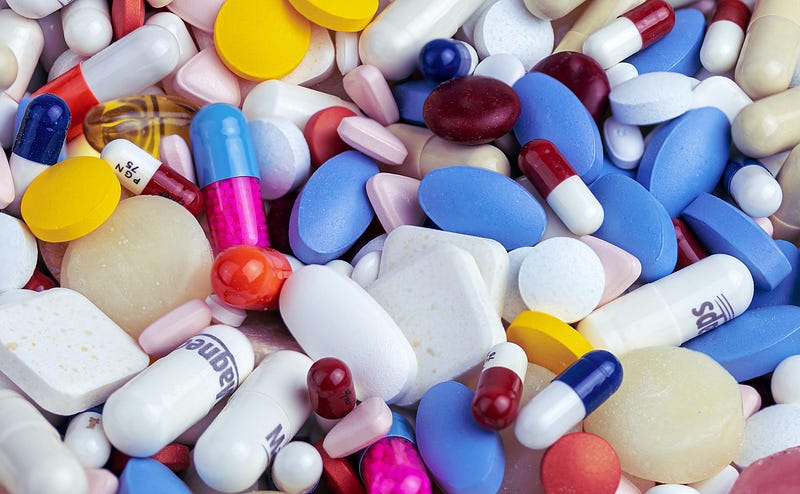
Everything hurts. My entire body from my chest to my calves is throbbing and aching. Glops of sweat have turned strands of hair into oily, writhing snakes. Pins and needles prickle my arms and stomach and dull aches radiate through my entire body. I can’t stop air-kicking the demonic goblins that insist on repeatedly stabbing my legs with sewing needles.
There are tidal waves crashing amongst each other in the pit of my stomach — smacking and flopping and swirling — my body cannot decide which end it would like to expel from.
Withdrawals. Again. No money means no drugs, means withdrawal, means calling in sick to work for the fourth time that month.
It is not just any withdrawal. It is opiate withdrawal. More specifically heroin, Oxycontin, and Xanax withdrawal.
And here I am depressed and suffering through withdrawals for the twentieth time this year.
It’s December 9, 2016, and 70 degrees in California — 65 inside my bedroom — but it feels like it’s 95 within my body. When I strip off my clothes, the sheets stick to my body, and a layer of cool air envelops my body. Suddenly, I’m freezing again.
I am dope sick. I have been dope sick on and off for the last five years.
This was not supposed to be my life. This was not me.
What the hell happened?
Generational Cycle of Addiction
The addict gene may have been passed down through generations.
My grandfather has been an active cocaine addict for at least forty-two years.
Witnessing his drug use, my mother vowed to never use drugs herself or marry an addict. Unbeknownst to her, my mother married my father who was also a cocaine addict.
When the two divorced, my mother numbed her growing depression and anxiety issues by drinking. She was rarely ever home.
My brother and I couldn’t blame her for not wanting to be in that lonely house with the vexatious, desolation of dark hallways and the ghost of our father. However, the home became a heart-wrenching breeding ground for mental health issues and pain.
According to this study, there is a higher risk of addiction and alcoholism when there is a family history of substance use and it increases if the childhood environment is unstable or neglectful.
We were addicts waiting to happen.
Generational Cycle of Abuse
The generational cycle of abuse continued through my mom and stepfather, whom she met when I was 9.
The two possessed anger issues, mental health issues, and a lot of unprocessed trauma from their own childhood. They did not beat us but they engaged in emotional abuse. Emotional abuse had its own painful impact, particularly in creating low self-esteem and self-worth.
The dark humor peppered in between real, malicious comments made it difficult to differentiate what was normal and what was abuse.
One moment, our stepfather would bawl, “You f###, stupid, dumba##, b## — ” for accidentally dropping one ice cube on the backseat of his truck. And no one laughed.
The next moment, our mother would snatch my wrist and slap a donut out of my hand and yell, “YOU SEE?! This is why you’re fat!” And everyone would laugh.
The two also maintained a toxic on-and-off pattern where they would get into hour-long screaming matches and then separate for a few days to a few weeks.
They would then sit us all down and tell us they would be officially separating in the most dramatic way possible as if they were celebrities admitting to their fans, that yes, the rumors are true.
A week later, we would wake up to find our stepfather walking around in his boxers with a sheepish grin on his face. (This went on for 20 years.)
The two were absolute chaos junkies, addicted to the drama.
Mental Illness and Addiction
At 12 something changed. I started to suffer from mental health issues, specifically chronic depression, feelings of worthlessness, and emptiness. A widening black void formed in my heart. I engaged in self-mutilation, slicing my arms into ribbons, creating crisscrossed patterns of pain across my body.
Because I could not articulate why I felt depressed and suicidal there was nothing psychologists could do except prescribe a handful of antidepressants.
My mother would subsequently flush out my antidepressants, feeling I was too young, and say, “God you act as if we beat you.”
Predictably, my depression and feelings of worthlessness remained stoic.
From the age of 14–18, I began to regularly self-medicate with alcohol, marijuana, Norco, and Oxycontin. Even though it did not cure depression, it numbed me.
At 18, social anxiety developed. Panic attacks and a deeply embedded fear of people judging me and disliking me infiltrated my entire thought process.
This led to my first prescription for Xanax. 120 pills a month of the highest dose of Xanax.
At 19, I quickly became addicted and started mixing Xanax with alcohol and Oxy.
Though Xanax seemed to cure me of social anxiety and panic attacks, it caused greater depression, blackouts, and malicious, violent episodes.
Three serious car accidents later, rather than turn my life around, I graduated to heroin.
The College Student Becomes a Heroin Addict
A few months after my first serious accident, I was skating the path to slow suicide. There were no goals, no purpose in life, no God in existence. Nothing but a black void of depression.
When my ex-boyfriend introduced the sticky, black tar of heroin and dropped it onto that crinkly square foil, there was no debate, no shocked gasp. I snatched the burnt McDonald’s straw from his hand and inhaled without question.
Within two months, I found myself dope sick, reeking of withdrawal, and addicted to heroin. And five years flashed by…
Heroin was difficult to stop.
For one, I was in denial that I had a problem.
I bragged to my counselors, “I’m not like other addicts. I go to college full-time, I’ve won several scholarships, and I’ve always worked for a living.”
Couldn’t they see I was a classy heroin addict?
This perception was addiction manipulating and controlling my mindset. I’d become a pod person, loyal to my new God.
Heroin, like Oxy and other opiates, produced life-changing effects. After using it for five years, it completely altered my brain chemistry, making me feel I needed it to survive, as it is proved to do.
Why be dope sick and suffer withdrawals when I will feel depressed anyway?
On heroin, I no longer struggled with depression, panic attacks, or social anxiety.
Heroin cured me of all pain.
Sick and Tired of Being Dope Sick and Tired
After twenty-something relapses, three residential rehab centers, six outpatient centers, and three-car accidents, I finally had enough. Withdrawals were killing me. I was sick and tired of being sick and tired.
After asking around, I was referred to an addiction and mental health specialist in Orange County. He placed me on a combination of medications that included antidepressants, non-addictive anxiety meds, and opiate blockers.
The antidepressants assuaged my depression and anxiety. The opiate-blockers prevented withdrawals and cravings as they bonded to the opiate receptors, acting as a substitute.
Dr. Dope Sick No More gave me full control, allowing me to tell him when I was ready to come off of everything as long as I tested clean, enrolled in weekly therapy, and attended meetings.
It was no longer up to anyone but myself.
Recovery on December 18, 2016
It takes six months for drug cravings to subside. However, it can take several years for the brain chemistry of opiate users to mend and reverse so that the user feels normal without the drug.
Opioids work by releasing powerful endorphins, making them the drug of choice for those with mental health issues like severe depression.
This is why recovery, meetings, and therapy are absolutely crucial for the first 6–12 months. Willpower, discipline, and a positive mindset will prevent relapse.
It took 1.5 years of sobriety for the drug cravings to stop. It took consistent therapy to process mental health issues and childhood trauma. And it took finding a higher power to place faith in.
At 25, I’d finally been diagnosed with Major Depressive Disorder, Social Anxiety Disorder, Post-Traumatic Stress Disorder, and Opioid Use Disorder.
Ignoring mental health issues resulted in a long battle against addiction and self-medicating.
Contrary to popular belief, antidepressants and opiate blockers do not mean I am not, “clean and sober.”
It has prevented relapse and has greatly alleviated my depression and social anxiety.
Never let anyone tell you how they think you should process your pain and live in recovery.
December 18, 2016, is my clean date. It has been five years since I went through my last withdrawal and dope sick episode. For three years, I have been a certified substance abuse counselor, helping others stay clean and sober through addiction therapy.
And, I never thought I would make it.
Additional articles on addiction and co-occurring mental health disorders coming soon!


