
Soaring Solo: The Art of Thriving Alone
Dopamine: You’re Soaking in It
The key to short-circuiting unhealthy desires
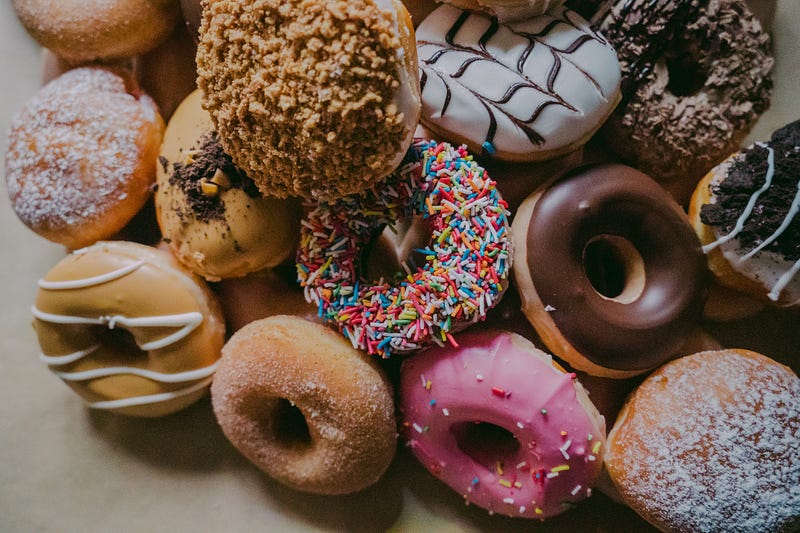
If you want something, there’s a reason. A small fraction of the time it’s biological: you are hungry, thirsty, tired or have to use the bathroom. The majority of the time, however, it’s all about the dopamine.
Dopamine is a neurotransmitter that gives us an overall sense of pleasure and relaxation. As humans, we are constantly fluctuating between a state of desire and satiety. When we say we “feel good,” we usually mean that all our desires are met. (Note that this is very different from having all your needs met, as it is quite possible to have everything you need for survival, even to be quite comfortable and secure, but to still have desires.) Dopamine is simply the “feel good” chemical that gives us the sense, for the moment, of euphoria.
We are wired for survival, but at a caveman level. The activities that bring us pleasure are the very things that ensured our survival individually and as a species back when food was scarce and procreation was a pressing concern. However, some of these activities are no longer survival issues now that food is plentiful, procreation has become more reliable, and our numbers are in no danger of declining. Evolution takes time, and while our brains and their capabilities have advanced, dopamine is still one of the main neurotransmitters that motivates our behavior. Add to this the fact that we have a much greater variety of sources of dopamine than we did in the Paleolithic Era, and abuse and addiction are the result.
There are plenty of ways to get a dopamine hit: drugs, alcohol, caffeine, nicotine, gambling, sex, exercise, massage, physical touch, hugs, love, connection, and food (more specifically, what I like to call the four junk food groups — sweet, salty, fried and pizza). This is by no means an exhaustive list. In fact, many of the items on the list in my article The Habit Notebook are examples of healthy ways to get your dopamine hit.
Take sugar for example. Our caveman brains still motivate us to eat the things that are calorie-dense and bioavailable, thereby providing quick energy. In the Paleolithic Era, sugar was most common in fruit, which meant that it was often scarce and only available during certain times of the year. Back then, there was never any danger of over-consuming sugar — or any other food for that matter. With the current convenience and availability of products with high sugar content — in addition to the sinister concoction high-fructose corn syrup — we are eating and drinking sugar in alarming amounts, with Americans now consuming 135 pounds per person per year, on average — that’s 2.5 pounds a week.
Product development of the processed foods we eat centers mainly around how to get us to want more, which centers around dopamine, and the easiest (legal) way to trigger the release of dopamine is sugar. Ever wonder why you crave McDonalds when it’s not even that good? Yep, sugar. A Big Mac has nine grams of sugar — about the same as a peach. A Quarter Pounder contains ten grams. And that “healthy” chicken sandwich? Eleven grams.
But the issue isn’t so much about amounts as it is about the way processed sugar triggers the desire for more. Even a tiny amount of processed sugar will light up your dopamine receptors so that the caveman brain sends pleasure signals and encourages you to keep doing what you’re doing. But sugar from fruit is accompanied by fiber, which slows down its absorption. Sure, the dopamine hit isn’t quite as strong as it would be if you took forty-seven grams of processed sugar straight to the face (which is what you’d get with a package of Skittles), but it does elevate your dopamine levels in a way that is healthy and sustainable — and without the sugar crash that tends to lead to consumption of even more sugar, perhaps this time in the form of soda (10 grams of sugar per 12-ounce can).
We’re not likely to binge on a bowl of peaches because we’d get pretty full after two or three. Not so with processed sugar, as it takes up very little space in our stomachs, so the combination of a huge dopamine hit and lots of stomach space makes it almost impossible to resist once you’ve started. Also, scans have shown that a human’s brain activity after consuming sugar is similar to brain activity after doing cocaine.
Consuming sugar all the time is like any drug — you develop a resistance and need more and more just to get the same high. When you quit for a few weeks, your sensitivity to sugar increases again and you’re able to achieve the same level of pleasure you used to get from large quantities of sugar from a healthy treat like fruit instead.
I tend to harp on sugar because it’s a serious problem. Of the addictive substances available legally and illegally, it is by far the most socially acceptable. And the worst culprit is soda, comprising a full one-third of the 2.5 pounds of sugar we consume weekly. This more than any other offender is the reason our society suffers from such alarming levels of obesity and diabetes. Switching to unsweetened iced tea or water instead is a huge step in the right direction, and it only takes a few weeks to kick the habit.
But it’s not just about sugar. It’s about anything you’re craving. If you’re craving something, your body wants a dopamine hit. Give it one. It doesn’t have to be the one you’re craving. Want sugar? Have some fruit. Want a cigarette? Go for a walk. Want alcohol? Spend time with a friend. Your brain won’t shut up until it gets the dopamine it needs, but you choose what method will provide it.
Video games have emerged in the past few decades as a source of dopamine, resulting in compulsive behavior for some. Passing a new level or defeating a particularly difficult foe provides the player with a sense of accomplishment and productivity — albeit a false one — and that stimulates dopamine production and increases feelings of pleasure and relaxation. (The loading page for the game Candy Crush plays on this fact with the advice “Relax and swipe the stress away.”) A good alternative to this particular habit is to create. Whether it’s painting, drawing, writing, woodworking, knitting, making jewelry, pottery, etc., find the art that speaks to you and make something. Yes, it takes longer, but it will provide the authentic sense of accomplishment and productivity you’re seeking.
If you don’t have a Person — someone who is in your corner, whether friend, relative or significant other — understand that you are at a great disadvantage by virtue of being alone. One of the most consistent and healthful sources of dopamine is having a Person. A partner can be a source of a variety of dopamine hits — hugging, communication, connection, laughter, kissing, sex, and the list goes on. Without a Person, however, you are charged with the task of maintaining healthy levels of dopamine without succumbing to addictive sources. Fear not, there is still plenty you can do to get your “wants” met in a healthy way.
Tune in next time for part two of this essay on dopamine where we’ll discuss ultimate high — the dopamine-oxytocin “cocktail” — as well as the specific tools you can use to encourage yourself opt for the healthful sources of these feel-good chemicals.
Adapted from the forthcoming book Soaring Solo: The Art of Thriving Alone by T.A. Pace.