
Doors and Doorways in Europe
Medieval Doorways had me fascinated on our recent trip.
Traveling through Hungry, Austria, Germany, and The Netherlands earlier this month had me snapping photographs right and left! We visited many iconic buildings, from Cathedrals to Palaces to Castles, and the commonality for all was that there were fascinating doors!
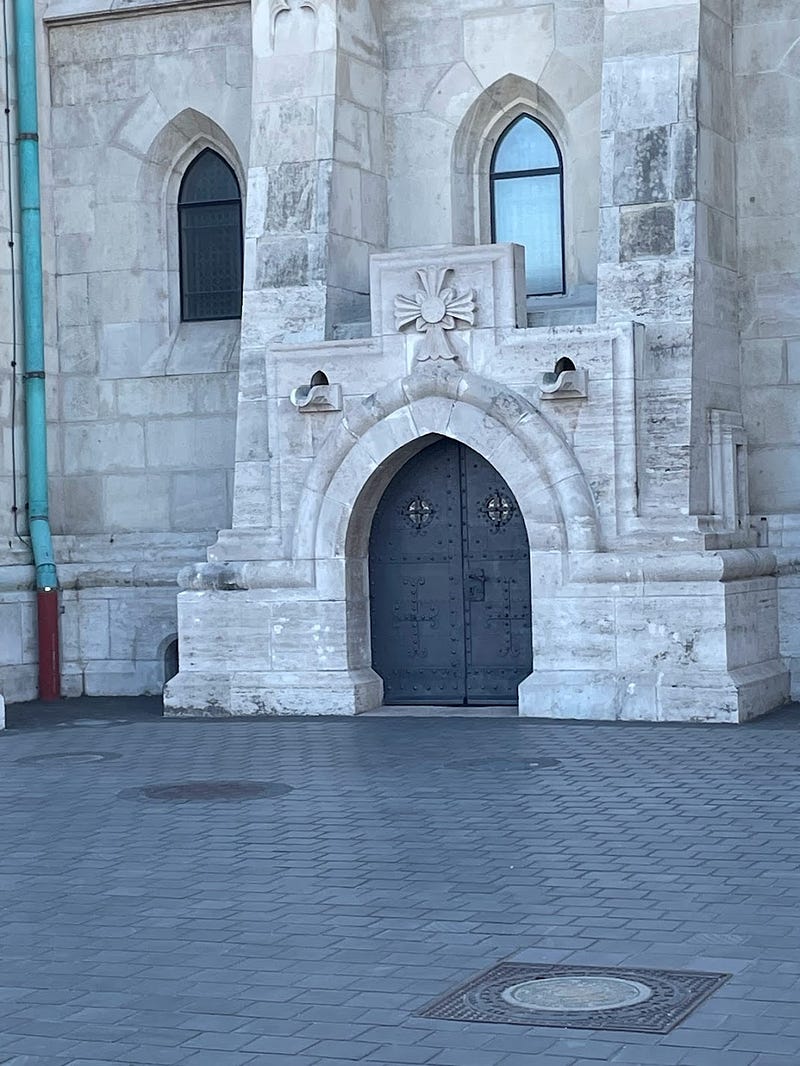
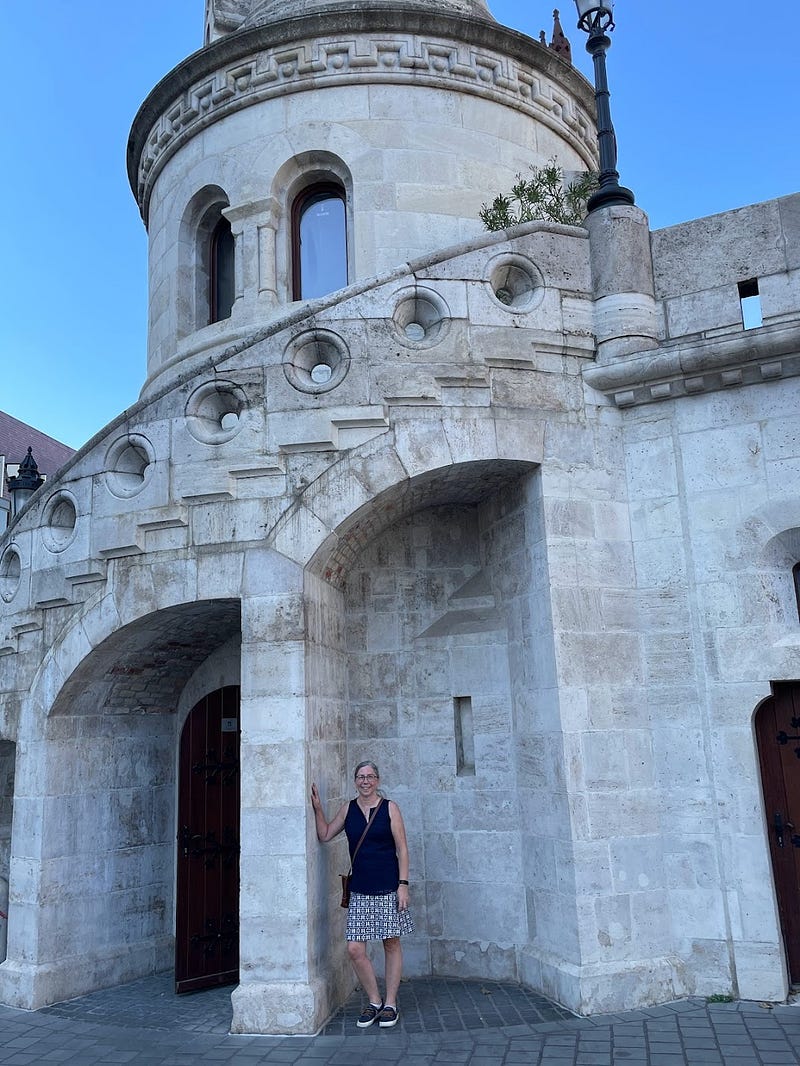
Although we did not do the paid admission tour of Fisherman’s Bastion, we were able to walk around much of the grounds. It is a beautiful place — full of history. And the view was amazing as well!
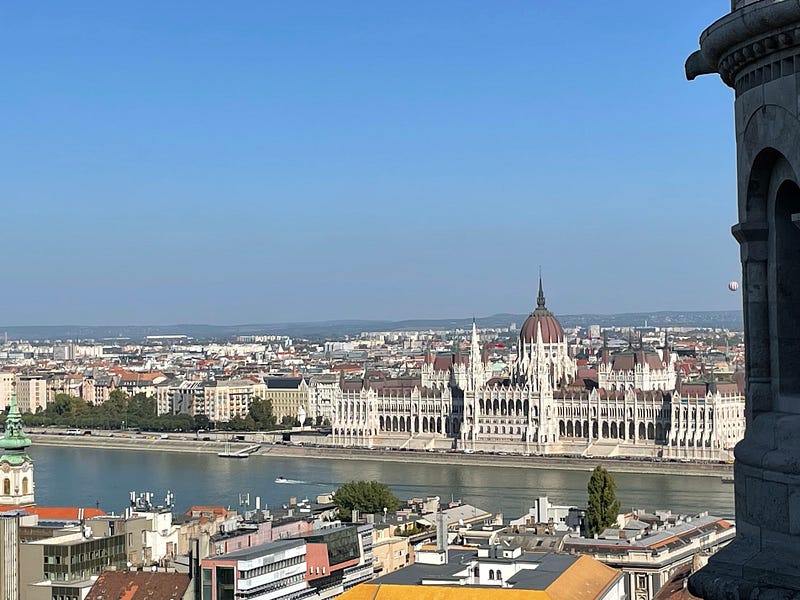
Can you imagine how many doors were in the parliament building in Budapest?! I’ll have to look up that fact! I am guessing there are hundreds of doors — some old and some new!
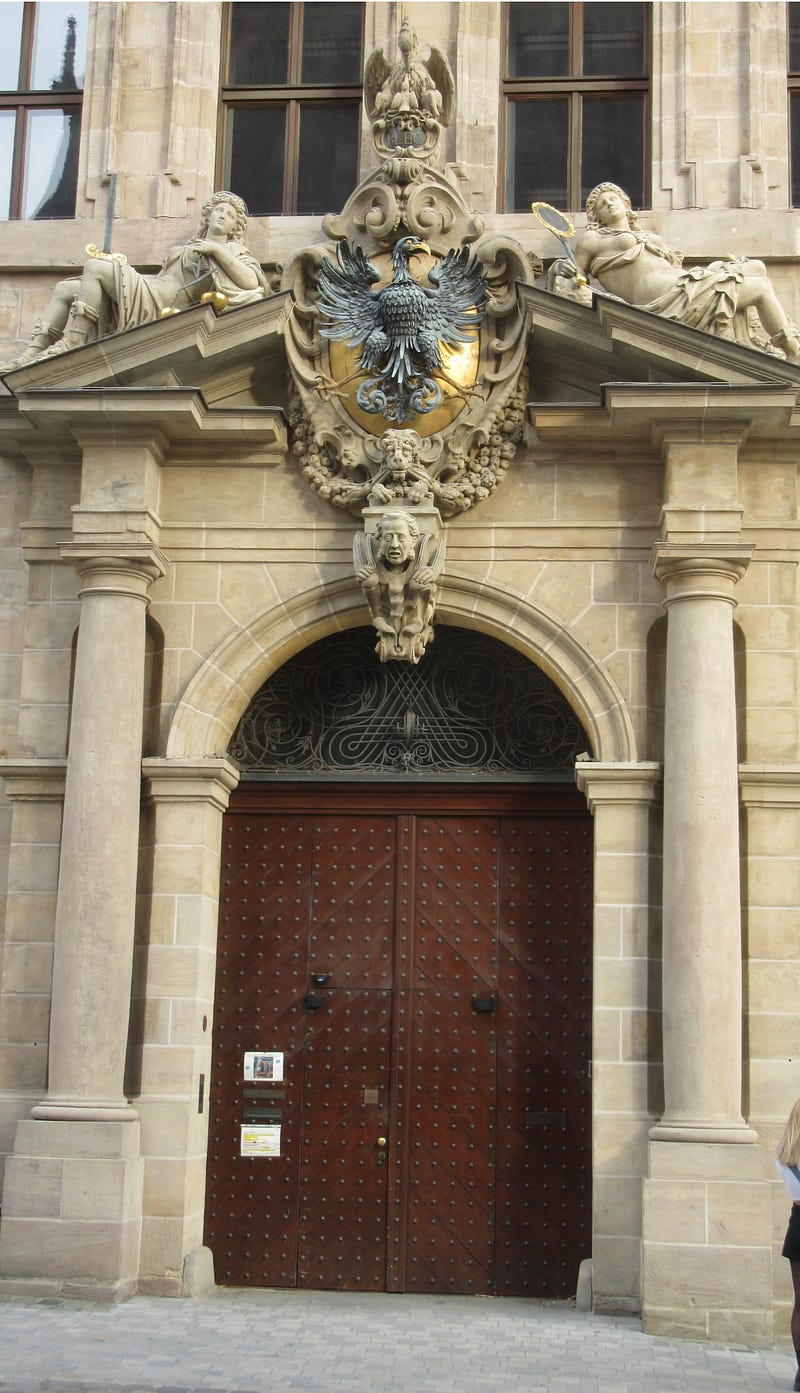
We learned the term Rathaus referred to a building where the government offices were housed. Often, these buildings were huge with heavy wooden doors.
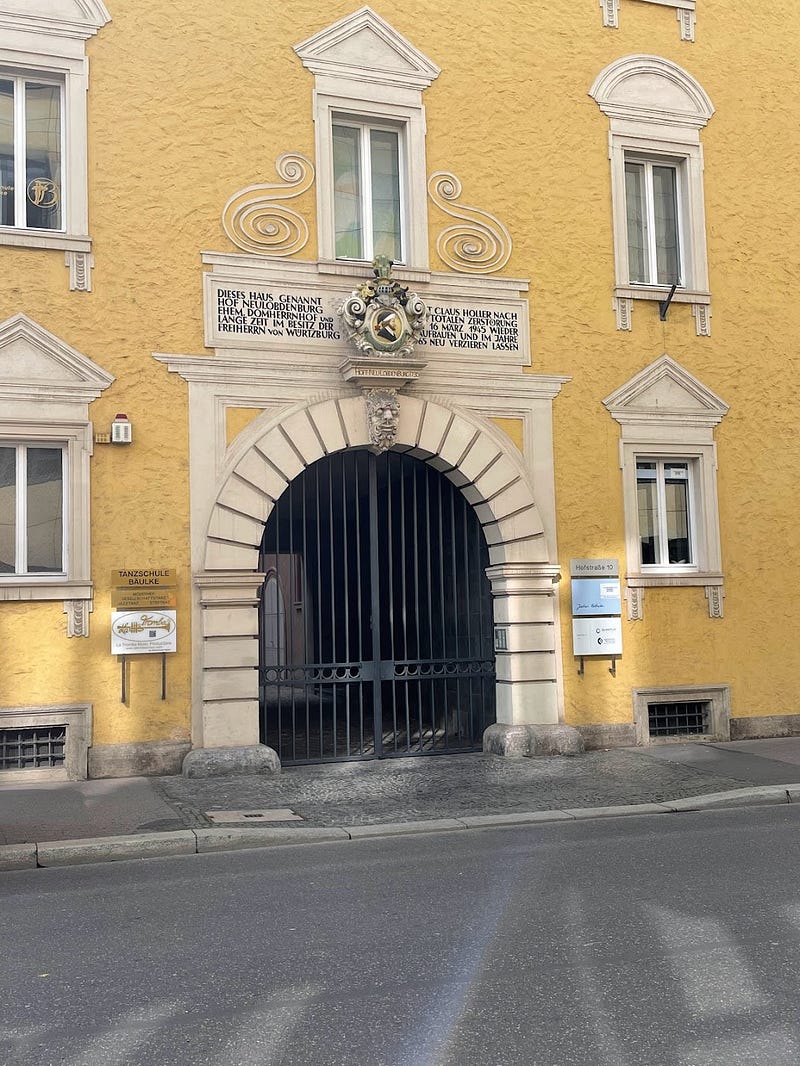
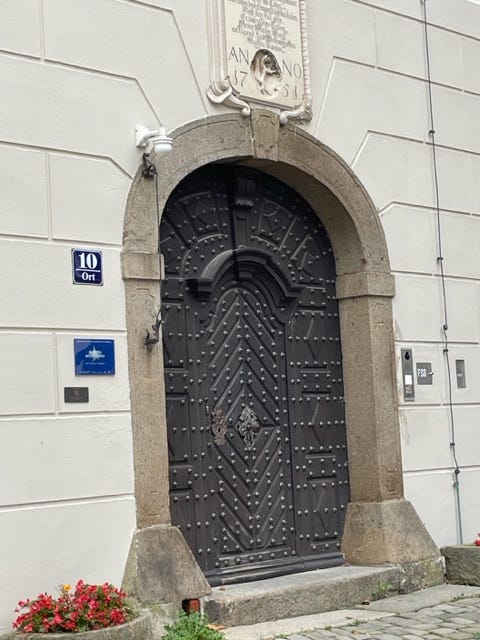
We learned that the doors had individual exterior textures that helped the residents know when they had “arrived” at home! Interesting! I assumed this was helpful when it was dark (centuries before street lights) and also if one was inebriated.
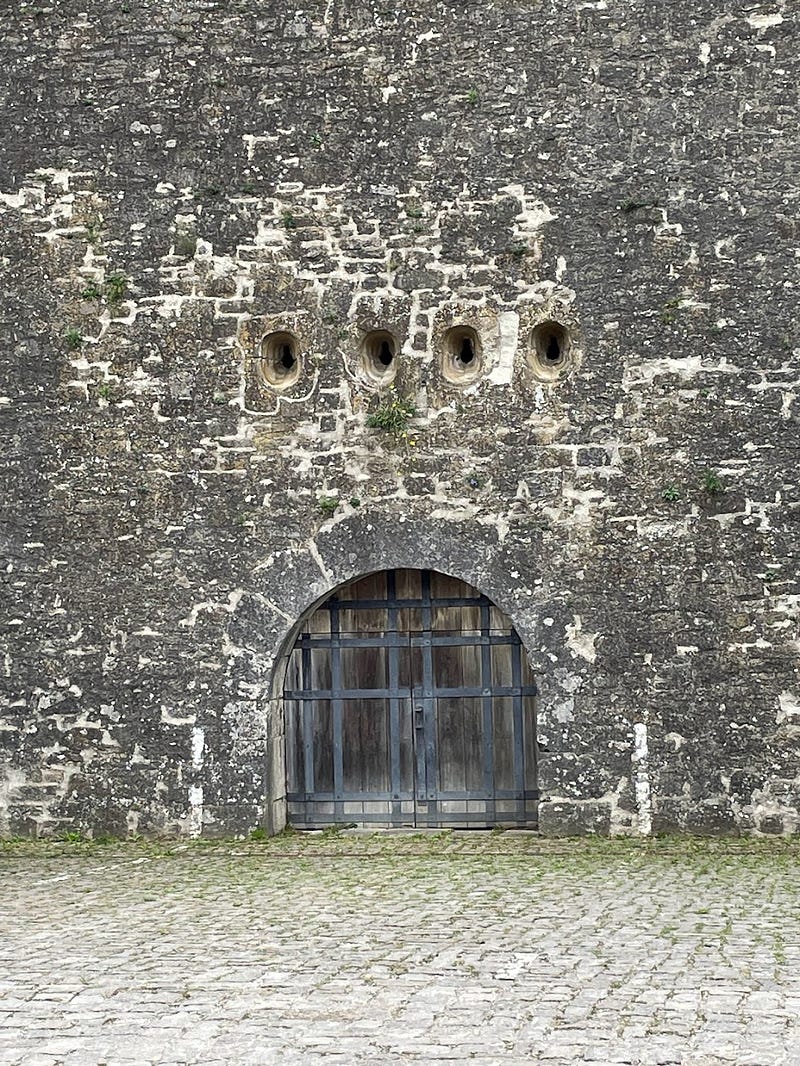
The fortress on the hill beyond the vineyards in Wurzburg had some interesting doors. Some were adorned with heavy grating.
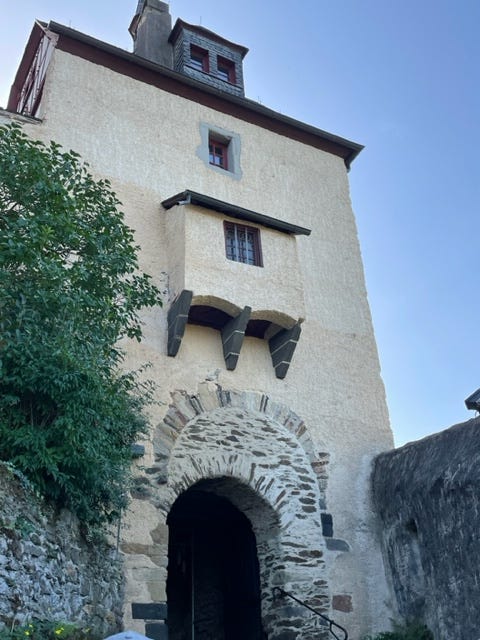
Marksburg Castle has many interesting doorways, as you can imagine. One of the most interesting is pictured above. The horses and their riders used to enter the castle through this door when the opening extended to the top of the bricks. It has since been brought down to size since horses don’t enter the building any longer.
The road inside is sloped shale and very slippery, especially when wet. It is not an even walking surface and would be difficult for horses as well.
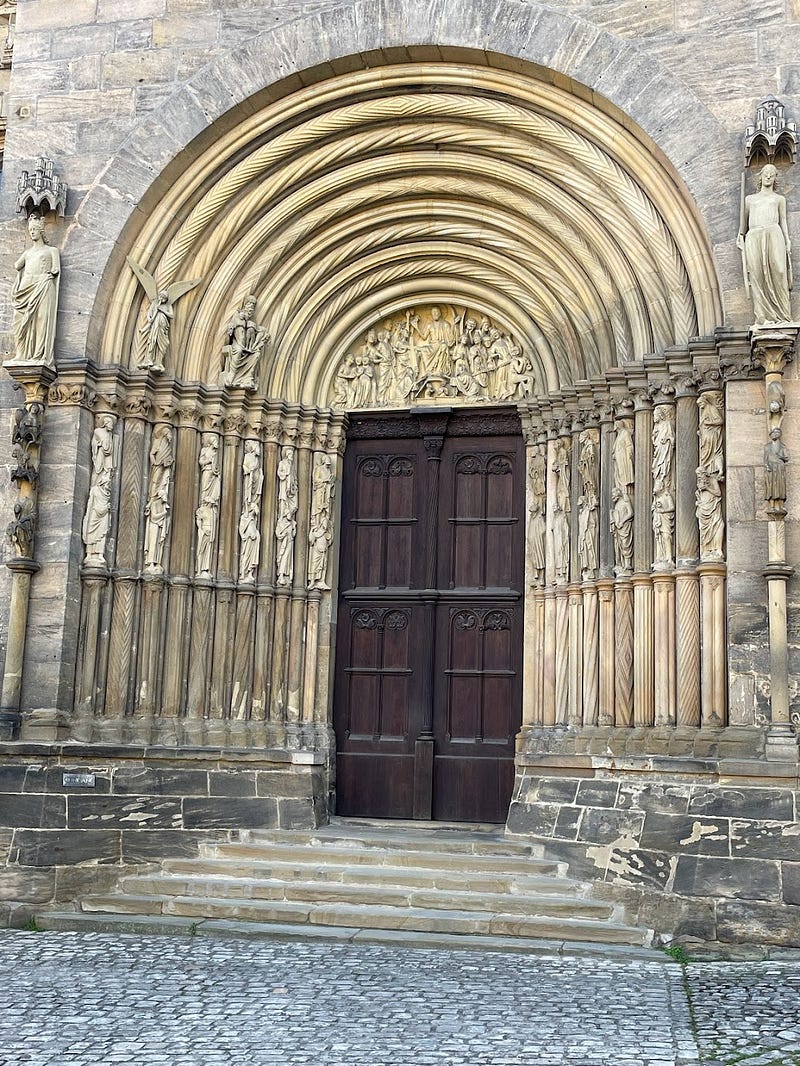
We spent a lot of time in front of this door on our tour of Bamberg. It has extensive sculptures around the portico. The door was made in the early 1200s. The statues are of the Twelve Apostles standing on the shoulders of the twelve prophets of the Old Testament. I read while writing the article that the statues are replicas, and the originals from the 1200s are kept within the cloister of the church (source).
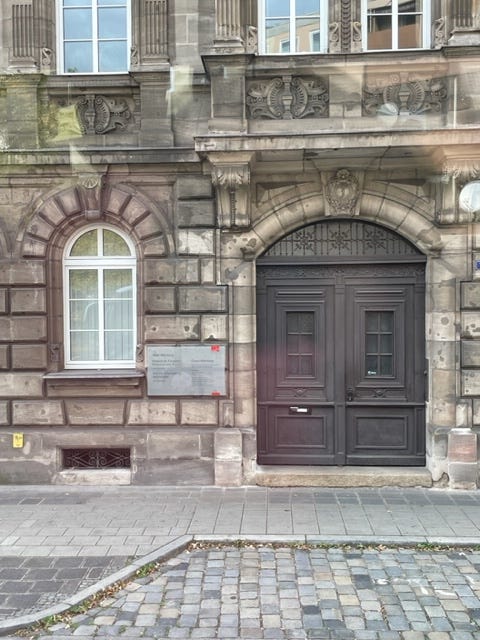
There were many doors on our trip through the heart of Europe. So many that I could do another completely different post on more doors. The doors were all beautiful and different, both imposing and welcoming, ancient and newly reproduced. But new in Europe might mean that it’s still 500 years old!
All I know is that I noticed the doors. And when I did, I thought of the centuries of humans that passed through them.