
Don’t Want To Lose Hair: How Often Is It Appropriate To Wash Your Hair?
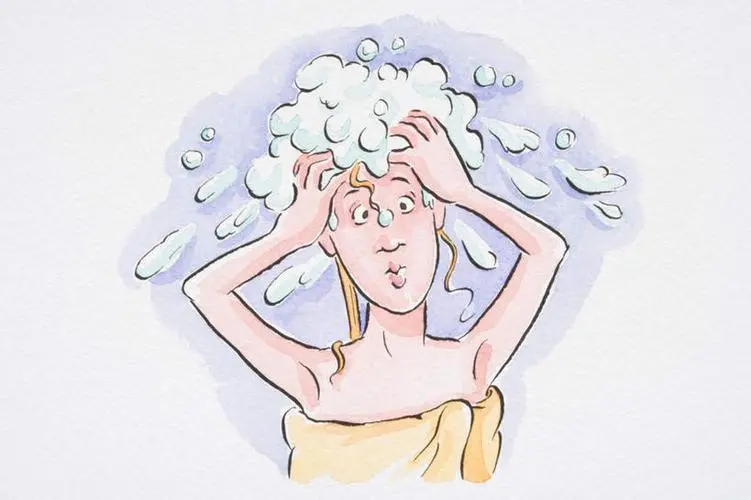
Have you ever wondered why you seem to lose so much hair every time you wash it? Is it true that the more frequently you shampoo, the more hair you’ll lose? Or would washing less often help reduce hair fall?
Does Shampoo Frequency Really Matter?
Scientists have actually conducted research on the relationship between hair washing frequency and hair loss. The American medical journal Skin Appendage Disorders published a study exploring the impact of shampoo frequency on scalp and hair condition.
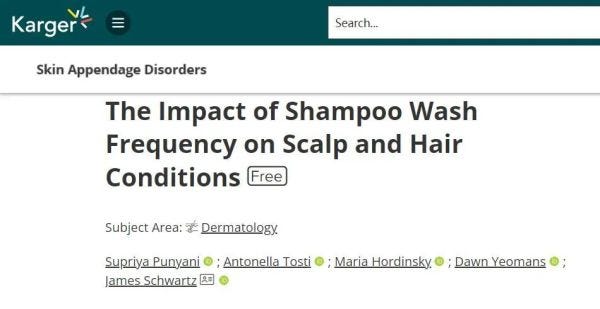
This two-week epidemiological study involved 1,500 participants aged 18–75 with no scalp conditions. Researchers divided them into five groups based on hair washing frequency: ≤1 time/week, 2 times/week, 3–4 times/week, 5–6 times/week, and 7 times/week (daily). The study concluded that:
- The more frequently they washed, the less scalp itchiness they experienced.
- The more frequently they washed, the better their scalp felt.
- Increased washing frequency did not significantly damage hair quality.
So, as long as your hair is healthy, washing it daily or less frequently won’t damage it if done properly. In fact, shampooing can stimulate normal sebum production, maintain oil balance, and keep hair shiny and bouncy. The hairs you shed while washing are mostly those that were about to fall out anyway.
Finding Your Perfect Shampoo Rhythm
While frequent washing won’t harm your tresses, you don’t necessarily need to shampoo every day. The ideal frequency depends on your individual circumstances, season, and hair type.
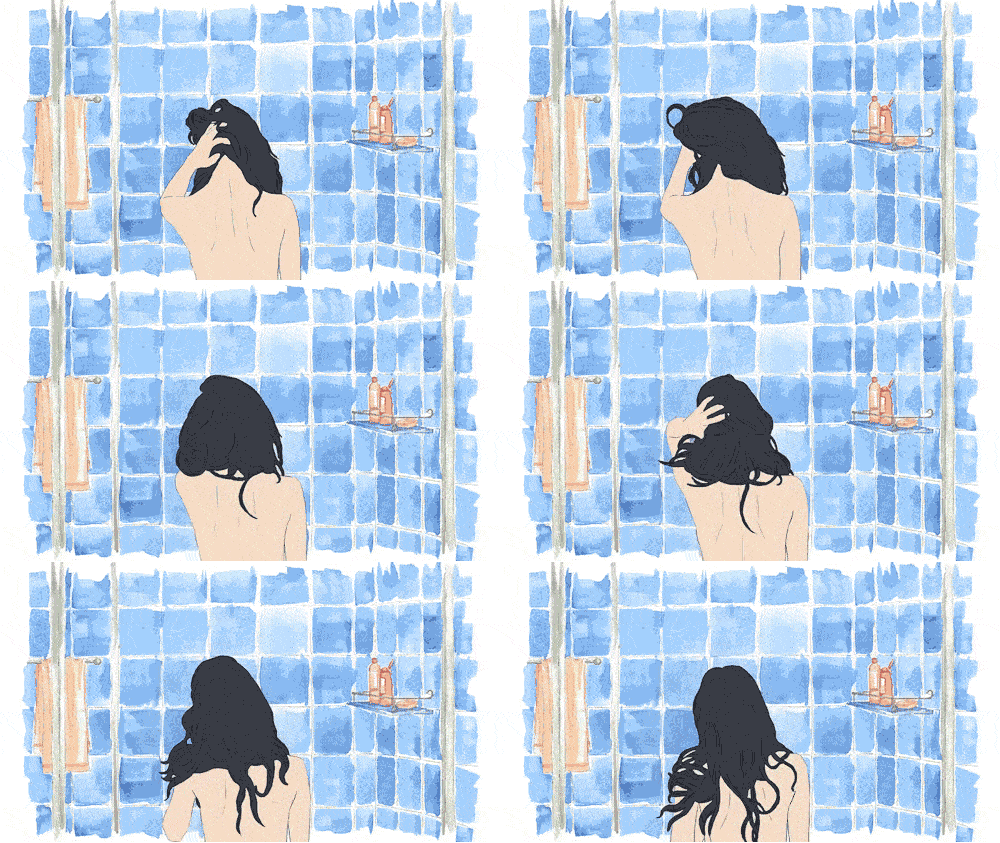
- If you don’t use styling products, washing 2–3 times a week is sufficient. If you do use them, daily shampooing may be necessary.
- In summer or if you have oily hair, you can shampoo daily, but don’t necessarily need to use product every time. Minimize blow-drying. For normal or dry hair types, washing 3–4 times a week is enough.
Note that regular anti-dandruff shampoos can generally be used daily, but those containing selenium sulfide or ketoconazole should only be used short-term or alternated to avoid developing resistance.
Four Hairwashing Habits to Avoid
More than shampoo frequency, certain washing habits can actually damage your hair and scalp, leading to excess shedding.
- Using Hot Water
Water that’s too hot can harm both your scalp and hair shaft. The ideal temperature is slightly above body temperature, around 40°C (104°F). However, freezing cold water should also be avoided as it may not clean properly and can make your scalp sting in winter.
2. Pouring Shampoo Directly Onto Scalp
This makes it hard to control the amount and can lead to wastage. Shampoo that’s too concentrated on the scalp may also cause irritation. It’s better to apply it to your hands first before working it through your hair.
3. Scratching Scalp with Nails
Especially for those with itchy scalps, scratching vigorously with nails in an attempt to relieve itchiness can make it worse and even lead to risk of infection if you break the skin.
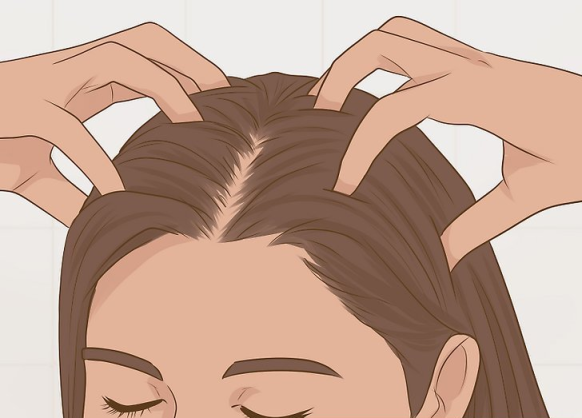
The proper way is to use your finger pads to gently massage your scalp in circular motions. Avoid brushing or combing while shampooing to prevent tangling or breakage.
4. Applying Conditioner to Soaking Wet Hair
While conditioner is a must for smooth, frizz-free locks, most people use it incorrectly. For rinse-out conditioners, hair should be towel-dried until just damp before application to prevent dilution. Leave it on for 3 minutes before rinsing for best results. For leave-in conditioners, apply when hair is semi-dry. Also, avoid getting conditioner on the scalp which can increase buildup.

Post-Shampoo Hair Care Tips
After shampooing, avoid vigorously rubbing your hair with a towel as the increased friction can cause cuticle damage and roughness. Instead, gently blot and squeeze out excess water, then allow it to air dry or use a blow dryer.
When using a blow dryer:
- Keep the temperature on the lower side.
- Hold it at least 15cm (6 inches) from your scalp and keep it moving to prevent concentrated heat.
- Don’t over-dry; stop when just a hint of moisture remains.
By following these simple tips on shampooing frequency and technique, you can keep your locks lustrous and healthy while minimizing excessive shedding. Happy hair washing!