
Don’t Underestimate The Power of Public Data
“Open-source intelligence” or “social media intelligence” is a real thing.

Lately, social media users have started asking too many questions. In the beginning of the social media era, users were mostly content with everything they saw; they were excited and wanted to post all their personal images along with frequent sensitive updates. Well, not anymore.

Unfortunately for Mark Zuckerberg, people are getting smarter about their online lives. We are not quite there yet, but the questions are starting to pop up. For example, what happens when you delete something online? Is it gone forever or…?
Nothing is deleted
In reality, nothing is deleted for good in a social media world. Deleting posts does not make them disappear. Oh no. Anyone who saw yout post could screenshot them. At the same time, there are certain websites that were created with a sole purpose of saving and archiving everything, including public social media posts online. And when you delete a post on Facebook, it doesn’t actually disappear from the platform immediately. Instead, it’s moved to a hidden folder called Trash. Meta keeps posts in Trash for 30 days before permanently deleting them. Can they share these posts along with other personal info with third parties? Oh yeah, totally.
Posts are like ghosts; you don’t want what you say to haunt you.

Private messages are not that private
Anyone can access anything that you publicly post on social media. But what about your personal messages? For law enforcement to access private posts, private messages, metadata, etc. they’ll need to convince a judge to issue a search warrant to force the social media company to produce the information. Which has happened before so many times that it’s safe to say that we trust private messages a bit too much sometimes. Nothing is private.
Weak security
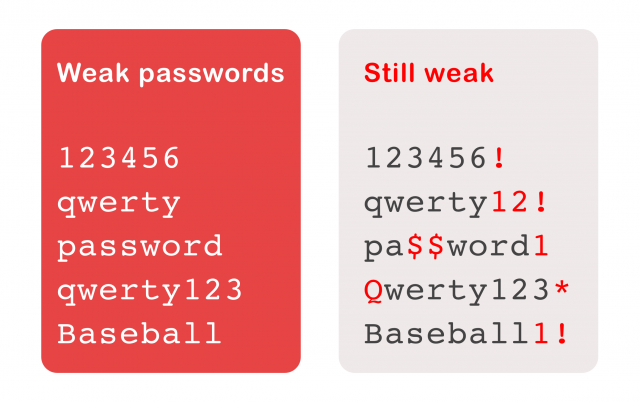
Did you know that 30% of internet users have experienced a data breach due to a weak password? And the problems multiply when users start to use the same weak passwords across multiple devices and accounts. In fact, two-thirds of Americans reuse their passwords. And even today, in 2023, the most commonly used password is “123456.” More than a half of the adults in the US still use birthdays or names in their passwords so it’s not surprising that even the data that’s supposed to stay private and secure is frequently exposed. (Source)
Tags, tags are everywhere
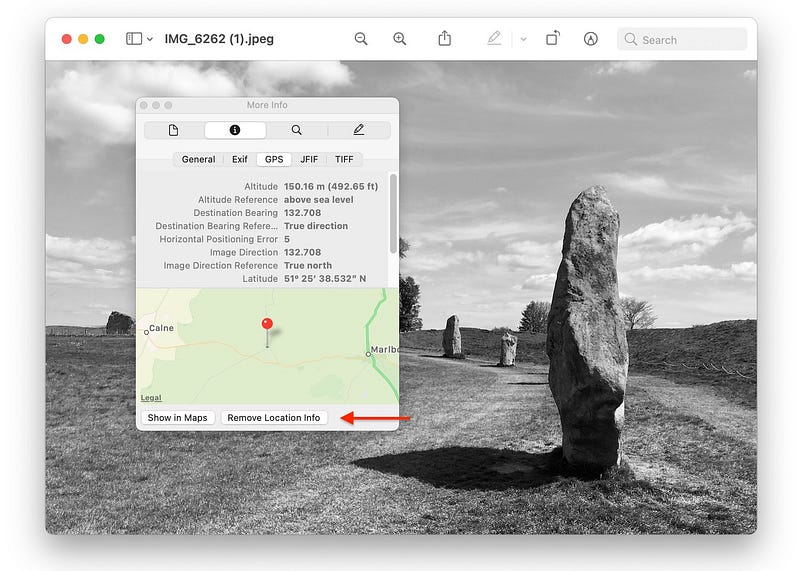
A lot of your digital content is tagged, whether you want it or not. The best example would be photos and videos that come with so much metadata encoded in them that you can learn a lot just from one picture:
- Location
- Date/time
- Device
- And even identify people, places, and objects on that photo if you use the latest AI photo recognition and video recognition technologies
“Open-source intelligence” (OSINT) or “social media intelligence” (SOCMINT) is a real thing
Considering all of the above, it’s not surprising that researching people can be are almost too easy nowadays. Ask any girls who is getting ready for her first date how much she already knows about her crush — most likely, way more than the same girl would know 10 or 20 years ago. There is even an official term for this already — Open-Source Intelligence.
OSINT is intelligence produced by collecting and analyzing public information with the purpose of answering a specific intelligence question.
Almost anyone with access to the Internet can find some useful information online but there are people, real professionals, who are really good at it. OSINT analysts gather information to help individuals, businesses, or organizations make informed decisions, assess potential threats, or investigate specific individuals or topics. They don’t need search warrants or anyone’s permission, really. They just collect and analyze information from publicly available sources such as:
- social media platforms
- online forums and discussion groups
- news articles and other websites
- and lately, large language models (LLMs) such as ChatGPT
So just keep it in mind next time you share a photo of your child or your opinion on sensitive topics. It’s all going to stay there forever and you have no idea how this data can be used against you.