
Don’t Try To Swear Your Way to Views
It makes you sound like a potty-mouth toddler
Every time I see an article title spiced with crude vulgarities, I get the image of a toddler who one day starts running around spouting words like ”poo,” “pee,” and “fart,” all the while giggling with glee at the reactions of all the adults within earshot. Experts tell parents that using such naughty words is an attempt by young children to attract attention. They suggest that it is best to ignore a potty-mouth toddler.
Experts say you should ignore potty-mouth toddlers.
Whenever I run across a title that contains profanity, I immediately click away to something more worthy of my reading time, wondering, “Is that all you have? Is prepubescent naughty talk the only hook you can muster?”
The 1960s — The coarsening of American Culture
Until the 1960s, there was never any profanity on TV, radio, or mainstream records. Of course, there were rumors about the hidden meaning of certain pop song lyrics. Still, the public airwaves and pop music distribution were strictly controlled and censored.
The 1960s marked the beginning of the era during which the coarsening of American culture picked up steam and eventually turned into a runaway train.

Though it would take some time before profanity made its way into TV and radio broadcast media, it started to be used in print and in recorded music aimed at younger people (of course).
Depending on how old you are, the 60s are the days of your grandparents, or even great-grandparents!
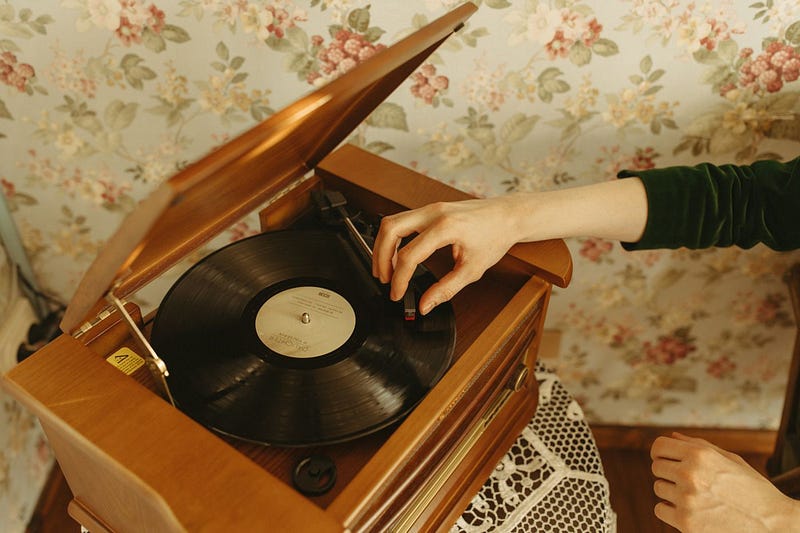
My first exposure to foul language on a record was courtesy of Frank Zappa and the Mothers of Invention. Their albums were filled with lyrics that were unthinkable at the time. That was precisely what made them so compelling. Listening to the albums of the Mothers made you feel so naughty. So dirty. So… so… revolutionary.
But that was then, in the 1960s. 65 years ago. Depending on how old you are, those are the days of your grandparents, or even great-grandparents!
Profanity is no longer cool
Gratuitous use of profanity and vulgarity in the 21st century does not make you sound hip or cutting edge. It makes you sound like a naughty Boomer.
Profanity today is old and tired. It’s not creative; it’s conformist. In this anything-goes age of unleashed internet discourse and 24–7 on-demand porn, profanity and vulgarity no longer make people sit up and take notice.
It is like a marginal rock group that relies on extravagant pyrotechnics, elaborate costumes, and garish makeup to distract its fans from their lack of musical talent.
All profanity elicits these days are shaking heads and tired eye rolls.
Now don’t get me wrong. I am not opposed to profanity and vulgarity out of prudishness. There is nothing like a well-timed, skillfully-delivered F-bomb to jolt prose into high gear.
I agree with people like George Carlin, who says that words are words, and within reason, we needn’t bother ourselves trying to keep track of which ones are banned. But as with all the other words we have at our disposal, it’s all a matter of skill, timing, and taste. You need to lead the reader or listener in one direction and then pull the rug out from under them when they least expect it.
If you go straight to the rug-pull right out of the gate, what have you got left? Or, even worse, taking off on a manic binge of one rug-pull after another makes your presentation unoriginal and boring.
Using profanity and vulgarity effectively is a skill
Anyone who can talk is capable of profanity and vulgarity. But only skilled comedians and writers are able to play with them as they would a fine Stradivarius. Richard Prior, Eddie Murphy, Dave Chappell, and Bill Burr come to mind. These funnymen did not become icons because they talk dirty. They are masters of joke writing, timing, pace, and delivery. They almost never look angry during their acts.
Top-tier comedians smile and look cute as they deliver low-brow humor. They let you know they are laughing along with you. You don’t feel like someone is shouting obscenities in your face.

What to do?
I guess the best course of action when encountering writers who over-rely on profanity and vulgarity may be that recommended for naughty children.
Simply ignore them.


