
Don't Tell Women To "Be Kind"
We know what it really means
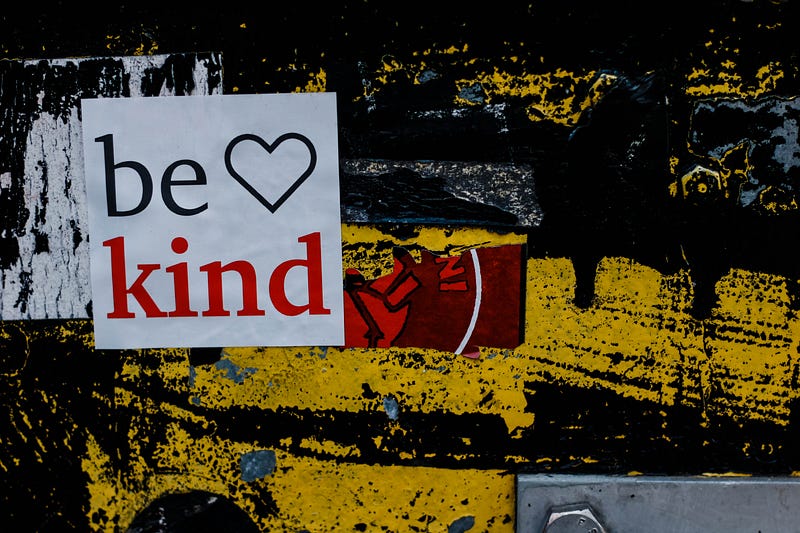
Rhetorical question, I know, but since when was kindness so popular? Yes, it reminds people that ugliness on social media can have awful consequences and we should always think twice before posting. No one would disagree that assuming the best of people is better than diving for the worst motive.
However, I'm also seeing "Be kind" used differently, disingenuously, and usually against women.
Here's how it goes: Woman states opinion or fact that is unwelcome to certain audiences. Instead of arguing the point, they tell her to "Be kind". I'm sure they'd say they were simply rephrasing, "If you can't say something nice, don't say anything at all", but it doesn't always feel like that. The phrase does a lot of heavy lifting when addressing women this way.
- Like tone-policing (about which I've also written), the phrase "Be kind" is often used by people who can't (or can't be bothered to) refute your point but want to shut you down anyway. A handy alternative to "You're crazy" and "Now you're getting hysterical", if you will. Claiming you're too fill-in-the-blank to reason with is a clever way to exit the conversation looking victorious.
- "Why reply if you can't refute?" you might ask. Simple — some people just can't let women have the last word or won't let women speak out against the way things are. If anything, this inability to come up with a logical reply makes them even angrier. Cornered, the incel type will throw everything at the woman, and the threats or insults fly. More sophisticated misogynists will revert to subtler tactics. (See next point)
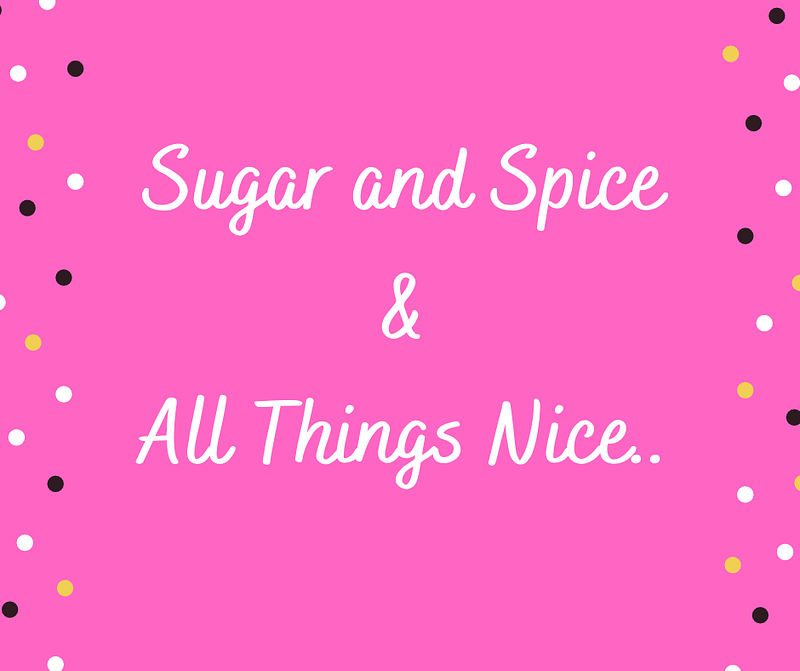
- Reprimanding women for not being kind references society's expectations of girls and women. "Sugar and spice and all things nice." It's even written on t-shirts, for Pete's sake, putting us and our needs firmly back in place. If you have a quick google of "Be kind" t-shirts, you'll see they're nearly all fashioned for women (shorter sleeves) or have women wearing them in the ad.
- Telling women to "Be kind" often demands that our needs, beliefs, or emotions take second place. Again. If what we're saying threatens male privilege, annoys, or irritates the reader, they demand that we retract or rephrase our words to make them more palatable. We can call things out, but we must use nice, kind words that don't offend (and therefore have no teeth), and god forbid we ask them to change their behaviour.
- Pointing out your supposed lack of kindness gives the other person the illusion of the moral high ground. By painting you as an unkind person for no real reason and then walking away from the discussion (as they do when they deflect or tell you to "Have a lovely day"), they leave you no opportunity to defend yourself.
At this point, I'd usually provide a few phrases to reply to the "Be kind" BS, but given the mentality behind it, I wonder if there's any point. Just as telling a woman how to behave or feel is meant to derail a conversation, so they will come back with more of the same. For example, I recently objected to a woman being told to "Be kind" when she was stating facts, and the guy in question simply told me I was "mistaken". He didn't even acknowledge my point that she had tweeted pure facts, safe in the knowledge that he was about to trap me into a "Yes, you did; no, I didn't" conversation.
Others will insist you don't believe in kindness, and of course, there's "Men are told to 'Be kind' too". (Yes, I'm sure boys and men are occasionally told to be kind too, but not nearly as often as girls and women are. That's the WHOLE POINT.)
If you want to get into it, however, there are a few options:
"Which part of what I said was unkind?"
"Was I really unkind, or do you just not agree?"
"There is nothing unkind in me stating facts."
"You may not like the facts I presented, but that doesn't make me unkind."
The first two keep the debate going, so be warned. You'd think asking them to point to the unkindness would put them on the spot, but what usually follows is more deflection. Similarly, if your question points out that he disagrees with you, expect this to be ignored in place of a gendered insult.
The last two statements don't invite a response, allowing you to draw your own line under the discussion and move on. As Miranda Priestly says in The Devil Wears Prada — "No, no. That wasn't a question."
Having moved on, I recommend not going back to see if they've replied again. It will go on and on and round and round. Better still, put that person or the whole thread on mute. I dunno, the idea of them shouting into the wilderness, not knowing that they're muted, gives me a frisson of satisfaction. (And obviously, feel free to block anyone who becomes abusive or threatening.)
Like microaggressions, "Be kind" is subtle and designed to appear inoffensive. Obviously, it sometimes is, if you're inclined to tell other people how to behave, that is.
However, trust your gut, and if you think it's a silver-toned way to shut you up, keep talking!