
Don’t Take Your Signature for Granted!
Losing a Hand Convinces Me We Must Protect Handwriting
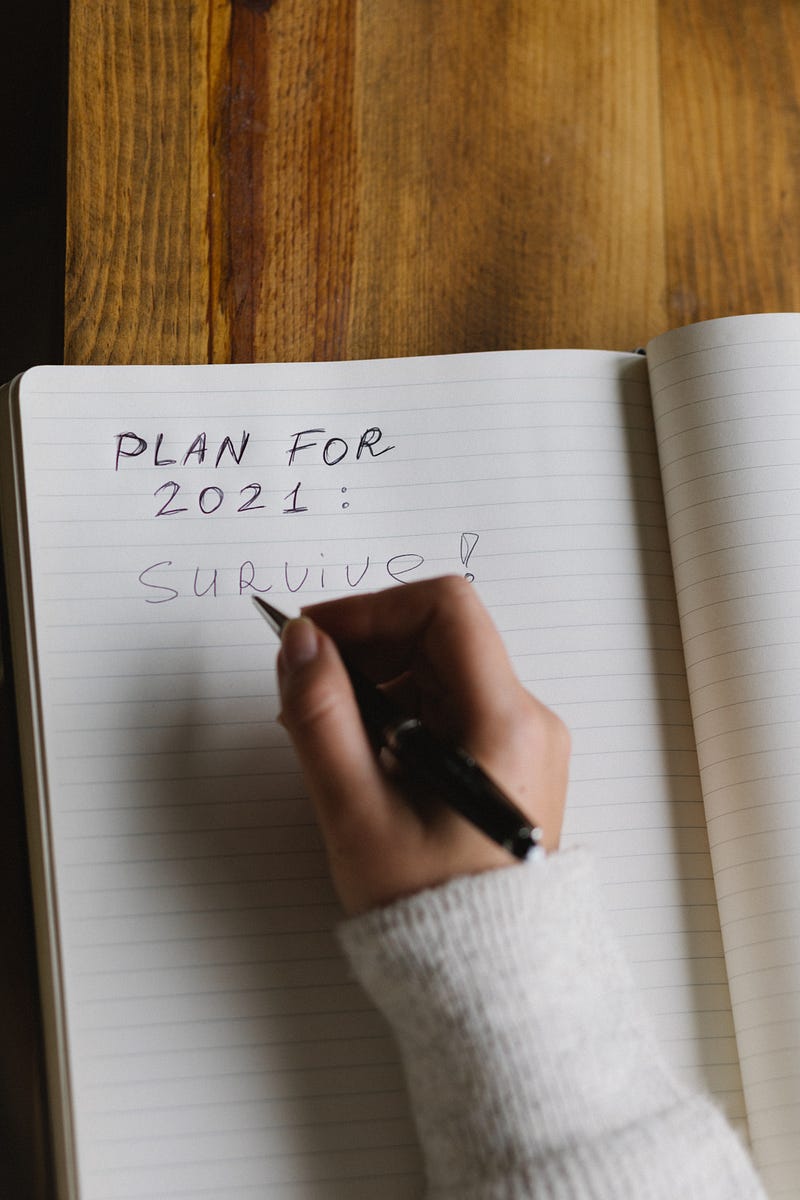
“Hands and brains work together,” I wrote in 2015. This is no less true today.
When I first heard that many school systems were no longer teaching cursive writing, I chalked it off as another casualty of the digital age. Who needs a signature when a thumbprint or an iris will do?
Then, I couldn’t sign my name.
Surgery, a clunky cast, and six months without the use of my dominant hand left me exhausted. I barely managed to complete the writing tasks I once took for granted: making out a grocery list, signing checks, filling out a change-of-address form. Without my “thinking tool” (I doodle, take notes), I couldn’t listen, concentrate, or remember. I kept saying, “My brain hurts.”
My personal experience and what I subsequently learned about the hand/brain connection convinced me that we ought to remember what handwriting does for us before denying future generations their signatures.
Handwriting is part of who you are.
When I looked at the signature executed by my left hand, it was like walking past a mirror after a dramatic haircut. Who is that? The French, who still teach cursive writing, also hold graphology in high esteem. Handwriting is a window into the “self.” Like your gait, style of dress, or manner of speech, it’s what makes you you.
Handwriting demands focus.
In a 2012 study of pre-readers practicing letter recognition, children who copied letters freehand showed more complex neurological activity in their brains than those who traced images on a page or typed them on a computer. To shape lines and curves into legible letters with a pen, you must concentrate and exert control. It doesn’t matter if the letters are well-formed; the act itself provides benefits.
“When a kid produces a messy letter,” says psychologist Karen James, who led the study, “that might help him learn it.”
Handwriting helps us remember.
Students who take notes by hand also learn better and remember longer than when they use laptops or tablets in class. This is undoubtedly true for adults as well. An ambassador to a world organization takes notes by hand during long meetings because it “makes” her “listen better.”
In a 2014 New York Times article, even a psychologist who supports the downsizing of handwriting instruction concedes that “the very act of putting it down forces you to focus on what’s important.”
Handwriting moves us emotionally.
Pen-on-paper is personal. Handwriting is of its creator. That’s why an original handwritten manuscript is more powerful than a reprint in a book or words on a screen. Last summer, when my oldest grandson [then age 11] sent a postcard from camp, I saved that card for the same reason my friend kept all the notes and to-do lists she found when cleaning out her mother’s desk.
“It’s all I have left. Her handwriting, with the little circle over the ‘I,’ was her.”
Our skills are slipping.
In 2014, the average person in a British survey had not written anything by hand for well over a month, and one in three hadn’t in six months. No surprise that handwriting has, as one blogger put it, “gotten worse…from years and years of computer usage in concert with a decreasing need to actually write anything by hand.”
Educators worry, too. “Students’ handwriting is atrocious,” says an administrator at an elite woman’s college. “They simply don’t know how to write.”
We need handwriting.
Perhaps someday everything will be signed electronically and all medical histories will be available online. But we’re not there yet. [Although in 2021, we’re closer!]
Handwriting is still necessary — and bodes well for success. Students with better handwriting get better grades. It may be because of the hand/brain connection; they’ve practiced more and have also become better thinkers. Or it could be “the reader effect” — neat, legible work is evaluated more favorably. Or, perhaps it is both.
The pen isn’t mightier or weaker than the laptop.
Some students using digital tools rush and cut corners, reports a National Writing Project teacher survey. But on the plus side, technology also allows them to collaborate and share with a wider audience.
“Teachers, writing teachers especially, do not view good writing and the use of digital tools as being at war with each other,” says deputy director Judy Buchanan, a co-author of that report.
The Proverbial Bottom Line
Hands and brains have worked together since the beginning of civilization, says neurologist Frank R. Wilson, author of The Hand: How Its Use Shapes the Brain, Language, and Human Culture. When our ancestors first stood upright and began to walk on two legs, the work of their hands boosted their brain power. That relationship remains vital today. Only the tools have changed.
When my hand was in a cast, I longed to take notes, but I also missed writing on a keyboard. Why not do both? If we teach children to become, as educator Virgina Berninger calls it, “multilingual by hand,” they’ll have more tools at their fingertips and can choose what works best for them.
Originally published at https://www.rewireme.com on June 23, 2015.
Author’s Note: Searching for an image in 2021 to re-illustrate this piece, I found hands poised over paper — black hands, white hands; young hands, old hands; manicured hands, rough hands; hand holding a pen, pencil, a plume. I chose this photo because it isn’t just a hand. It’s a hand expressing a thought — writing.


