Animal Advocacy
Don’t Overlook The Importance of Insects
No insects equals no food, and that means no people.
Insects are a fundamental part of our ecosystem
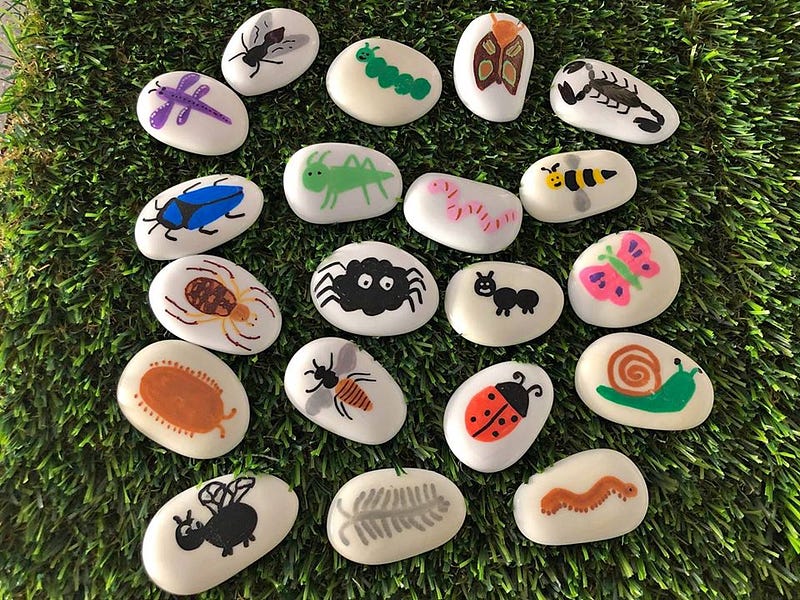
Uggh, yeww, how awful. This may be your first reaction to many of our tiny living companions on Earth. Well, I like all the critters in this photo (except maybe not the scorpion, no wait, I respect all living things). Did you know that Spiders, Centipedes and Scorpions are NOT insects??
In 1984 I met “the Bro” or David Attenborough, as I call him, and I have some things in common with this amazing person! As David is, I too am interested in “the web of Life” and that is why I studied Biology at University. In an interview the Bro said that he respects all animals, but he doesn’t like them all. The same for me, Bro.
The National Geographic Society says:
There are 1.4 billion insects per person on this planet and we need (almost) every one of them
In 2019 the Society declared that a new study suggests that 40 percent of insect species are in decline, a sobering finding that has jarred researchers worldwide.
“There is reason to worry,” says lead author Francisco Sánchez-Bayo, a researcher at the University of Sydney in Australia. “If we don’t stop it, entire ecosystems will collapse due to starvation.”
The paper singles out a few groups of critters that are particularly threatened: moths and butterflies; pollinators like bees; and dung beetles, along with other insects that help decompose faeces and detritus.
Factors behind the decline include, perhaps foremost among them, habitat changes wrought by humans, such as deforestation, and conversion of natural habitats for agriculture.
Climate change undoubtedly plays a big role as well, especially extremes of weather such as droughts, which are likely to increase in intensity, duration, and frequency in the future.
The impact of the decline
Insects serve as the base of the food web, eaten by everything from birds to small mammals to fish.
About three-fourths of all flowering plants are pollinated by insects, as well as the crops that produce more than one-third of the world’s food supply.
“No insects equals no food, [which] equals no people,” says Dino Martins, an entomologist at Kenya’s Mpala Research Centre and a National Geographic Explorer
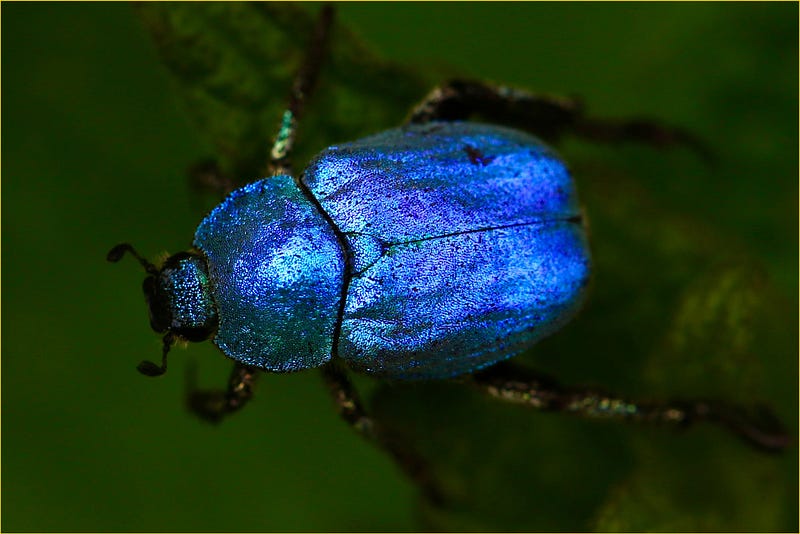
The most prolific Order of insects are the Coleoptera. This is the massive group of beetles and also weevils, containing around 500,000 species. With hard exoskeletons, thick wings and chewing mouthparts, these insects are tough and versatile.
Beetles aerate the soil, pollinate blossoms, and control insect and plant pests. Many insects, especially beetles, are scavengers, feeding on dead animals and fallen trees, thereby recycling nutrients back into the soil. As decomposers, insects help create top soil, the nutrient-rich layer of soil that helps plants grow.
I like ladybugs or ladybirds, which not only look bright and gorgeous, but eat pesky aphids, white-flies and other insects that destroy plants. In fact, a ladybug can eat up to 5,000 aphids in its lifetime.
According to some, the five top beneficial insects are:
Bees
Ladybirds
Hoverflies
Lacewings and
Beetles
Source: http://www.ecofriendlykids.co.uk/five-top-beneficial-insects.html
As a group, insects do a staggering amount of damage to crops and property around the world, but they’re not all bad. On the contrary, there are many which are not only beneficial to human beings, but are essential.
The Medium Publication, FutureHuman even talks about bug breeders in the U.S.A. rearing black soldier flies to help simultaneously tackle three of the biggest environmental issues in the United States: greenhouse gas emissions, irresponsible land use, and food waste.
The Animal Diversity Web states that with around one million named species and perhaps several times that number unnamed, insects account for a great majority of the species of animals on earth.
Insects have a complete and complex digestive tract. Their mouthparts are especially variable, often complexly related to their feeding habits. Insects “breathe” through a tracheal system, with external openings called spiracles and increasingly finely branched tubules that carry gases right to the metabolizing tissues.
The manner in which growth in insects is accomplished is an especially important characteristic of insects. In some, hatching eggs produce miniature adults, which to grow must shed their exoskeleton in a process called ecdyisis. In almost 90% of insect species, however, newly hatched young are completely different in appearance from adults.
( Source: The Animal Diversity Web )
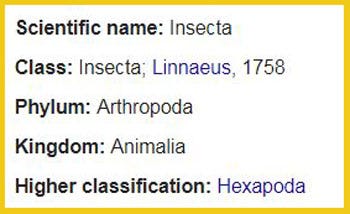
Insects or Insecta are hexapod invertebrates and the largest group within the arthropod phylum. Hexapods are a sub-phylum of Arthropods. Arthropods are invertebrate animals with an exoskeleton, a segmented body, and paired jointed appendages. Arthropods include-
- insects;
- myriapods (including centipedes and millipedes);
- arachnids (including spiders, mites and scorpions);
- crustaceans (including slaters, prawn and crabs).
All entomologists (those who study insects) are saying is: “Give some insects a chance.”
The famous biologist, Charles Darwin, once remarked that one of the greatest things that his study of the natural world had taught him, was that God was really very fond of beetles.