
Don’t Overegg the Pudding
No-one needs to go hungry

The director of the Women’s Budget Group, a British organization that campaigns on issues affecting women, claims that women are the ‘shock absorbers’ of poverty. Too true.
She is further reported as saying, ‘In families, it’s more likely to be mothers that skip meals, have shirts with holes in them, don’t have winter coats, in order to make sure their kids have food on the table and are properly clothed.’ (1)
Here we go again.
The world undoubtedly is in a mess, but the people who want to put it right have a regrettable habit of exaggerating to prove their point (overegging the pudding as we Brits say)
It is scandalous that anyone in an advanced economy like the UK needs to visit a food bank. That has to be said, again and again, until the government listens. But let’s take a closer look at the above statement.
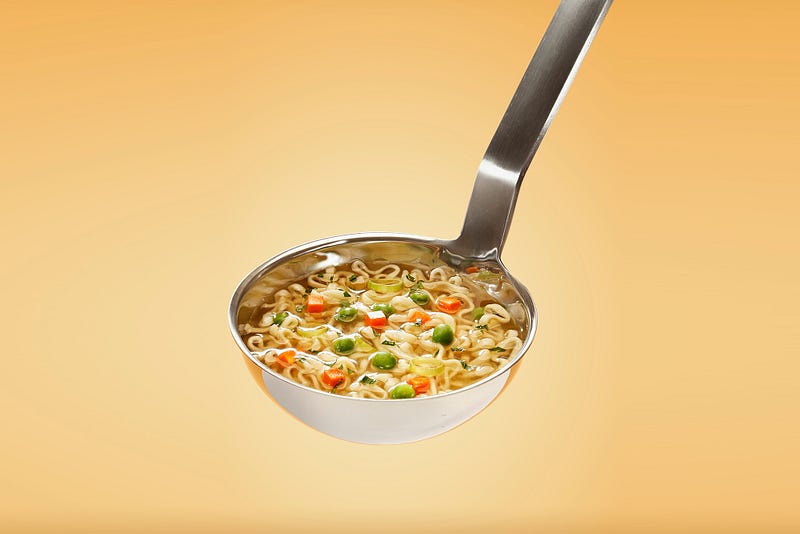
There is no need for campaigners to tug at our heartstrings and claim that mothers are skipping meals. There is a world of difference between not eating a proper, balanced diet and not eating at all. Of course many parents find it difficult to provide a varied, balanced menu, week in, week out. Of course many of them go short to feed their kids. However, no-one needs to go hungry. A 500g bag of oatmeal costs 69p in a budget supermarket, enough for 10–15 servings. Oatmeal made with boiling water is not a treat, but it is better than an empty belly. Likewise, lentil and carrot stew or the time-honored ‘bread and scrape’ fill you up.
‘Have shirts with holes in them.’ Really? When charity shops line every street in Britain?
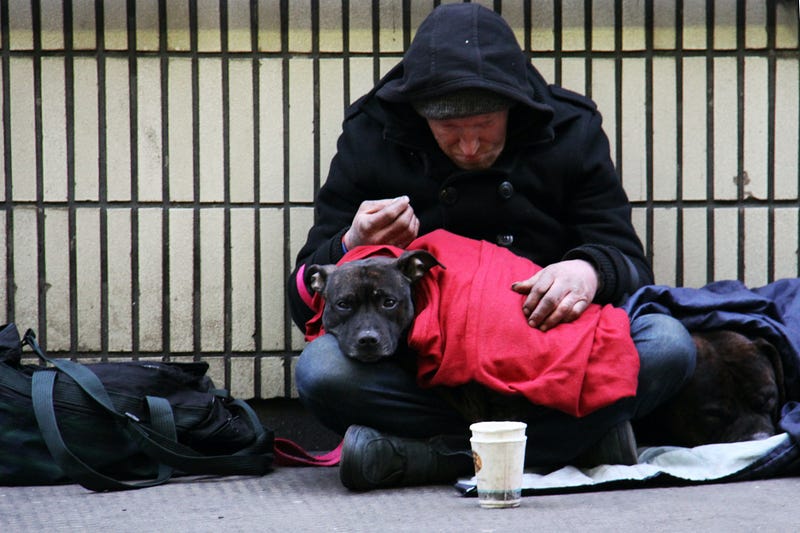
‘Have no winter coats.’ The speaker got carried away. For anyone to be without a coat in the British winter invites pneumonia. Even the homeless manage to scrounge old coats to huddle in.
If the speaker means that many mothers cannot afford a new winter coat, that is a different matter entirely. There are millions of British women, from cleaners to CEOs, who take a good look at their old coat and decide it will see them through another winter.
In a similar vein, a recent Medium article claimed that poverty in Britain was reaching levels ‘akin to the 1900s’. (2)
That was a striking headline, but read your social history, dear contributor. In the 1900s, it was commonplace for entire families to live in one room of a house, with an outside toilet that served all the families living in the house. The numbers of children dying in infancy skewed the statistics, making average life expectancy 45–50 years. In the slums, those children that did survive developed rickets from lack of vitamin D in their diet, and lack of sunlight.
On a separate but related issue, mental health advocates in the UK blithely parrot the statistic that in any one year one in four of us experiences mental health issues. Ask a social worker where that figure is plucked from, and they cannot answer.

From personal observation of family, friends and the wider world I would reckon the true figure is more like one in seven or one in eight. Where do you draw a line between a mental condition that needs professional help and the normal ups and downs of life? We are all fallible human beings, with our own quirks. Where is the line between a medical diagnosis and unconventional or eccentric behavior?
Poverty and mental health are complex issues, often interlinked, often beyond an individual’s control. They cannot be remedied overnight.
The elephant in the room is the frightening level of household debt — for which credit card companies and retailers must also share the blame. Campaigners prefer to skate over that, and bludgeon us with emotional statements.
If we read your articles, we’re on your side. The truth is bad enough. There’s no need to embellish it.
(1) Telegraph. 2 December 2022
(2) https://fortheloveofcontent.medium.com/five-pounds-for-five-days-6e64d7e9267b