
Don’t Leave Your Customers In the Dark or You Risk Losing Them
I was so angry I vowed to never return.
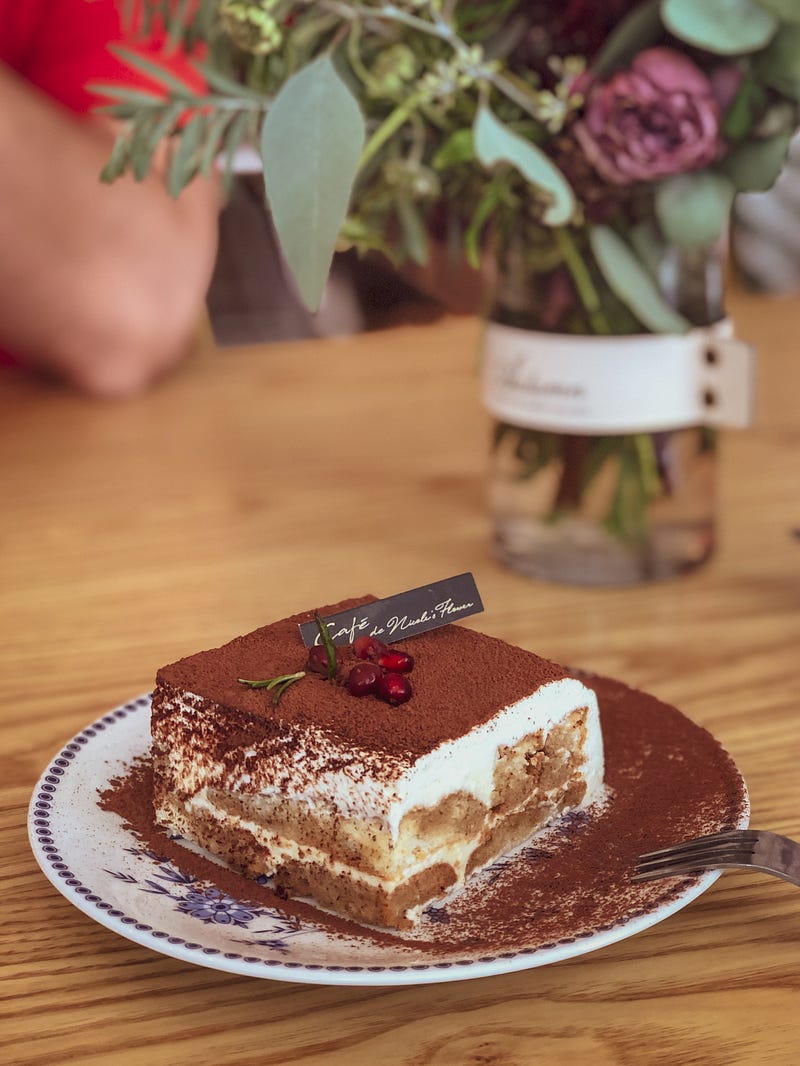
There’s a small Italian cafe that has the best tiramisu I’ve ever had. It’s a bit out of the way, a good 30-minute drive from my home. But when we have a craving for tiramisu, that’s where we go.
My visit this past Saturday morning left me fuming with a bitter taste in my mouth. The manager and her staff did everything wrong and lost at least one customer. I wouldn’t be surprised if all the other customers who were there with me also decide to never return. When someone mismanages your experience that poorly, it leaves a lasting impression.
The cafe has an online ordering system that they put into place once COVID caused everyone to shift to ordering takeout. My husband ordered three servings of tiramisu and a shrimp avocado toast (since he’s lactose-intolerant) for a special treat, shortly after they opened. The system confirmed it would be ready in 20 minutes but I knew it would take me 30 minutes to get there so I figured it would be sitting at the counter when I arrived.
I took the kids with me since brief drives are their only opportunity to leave the house these days (they’re still in virtual school). Yet I left them in the car because they’re under 16 and not vaccinated yet. I knew they’d entertain themselves on their phones and assumed I’d be back within a few minutes. We arrived just before 12 noon so I thought we beat the lunch rush.
To my surprise, there were seven other guests inside, all waiting for their takeout, too. I walked up to the counter to pick up my pre-paid online order and the young man told me, “Oh, your shrimp toast isn’t ready yet. We’ll let you know when it’s ready.” My tiramisu was presumably in one of the bags on the counter nearby.
I took a seat and figured it would be 5–10 minutes. I texted my kids an update, “Tons of people waiting for their food, too. Sorry.” And yes, I text with punctuation and capitalization because I’m middle-aged.
Twenty-some minutes later, only two of the seven people who were there before I arrived had received their food. I told myself that maybe they were all walk-ins, not people who had ordered 30 minutes before arriving at the restaurant like me. Plus, how long does it take to make shrimp avocado toast anyway?
A customer walked in with her daughter and placed an order for lunch. I heard the young man say, “Your order will be ready in about 20 minutes.” This definitely caught my attention. What? How could a new order be done in 20 minutes when six of us were still waiting for our orders, plus the three other people who arrived after me before this woman even placed her order?
I was concerned so I went up to the young man and asked, “Do you know how long my shrimp toast will be? I’ve been waiting 20 minutes and I’ve got my kids in the car.” He said he would check. I saw him turn around and walk into the kitchen area.
When he returned, he said, “It’s almost done.”
“But how many minutes? I’ve already been waiting for 20 minutes. I think I should just take my desserts and skip the shrimp toast,” I replied. At this point, it was nearly an hour since my husband had placed the order and a full 30 minutes after the “ready” time in the email confirmation.
Another woman emerged from the kitchen and she said to him, “We just put it in. It will be done in a few minutes.”
“What?” I said. I was shocked it had not even been started yet. The kitchen was THAT far behind? There was no way I was going to wait any longer, even if it was going to be just “a few minutes” for shrimp toast.
“No, I don’t want to wait. Just give me my desserts,” I said.
This is when the manager, a woman younger than me (in her late 20s/early 30s) who had been helping pack up items and supervising the cashier, finally reacted. She turned to the young man and shook her head no, blocking him from passing me my bag of desserts. “It will just be a few minutes,” she said to him. She never once turned to look at me even though I was standing on the other side of the counter from her.
That angered me. I immediately said, “No, I’m not waiting any longer. Give me my desserts. I’m leaving.” The young man then reluctantly gave me the bag and I stormed out of there.
I lost my appetite and didn’t even eat the tiramisu after we drove home. I told my family I never want to go to that cafe again. A few hours later, after I thought more about this situation, I decided to write about it.
I know that sometimes we have a day when everything goes wrong. Someone from the kitchen crew calls in sick, another customer places a huge order that backs up every other order, or an accident happens and the entire timeline is thrown off. Instead of shutting down and trying to just pretend there’s not sheer chaos in the kitchen, the staff could have offered more transparency and grace. This is what should have happened.
- As customers arrived to pick up their takeout, the young man should have been instructed to immediately explain that they were running behind and apologize in advance for the wait. He could have said apologetically, “I am so sorry but we had an unexpected issue and the kitchen is running late. Your order isn’t ready yet and I think the kitchen may need another 10–15 minutes.” Most people will understand and then customers can adjust their expectations accordingly. Some might grumble a little but then prepare themselves for a delay. Otherwise, if you’re not warning customers, the staff risks annoying everyone who thinks their takeout order will be ready shortly after they show up (instead of 30+ minutes later).
- Offer some small favor to thank customers for their patience and understanding. “Can I offer you a glass of water as you wait? A soda?” If they offered a cookie or something that didn’t require extra effort from the kitchen, that would be even better! I know it’s a small business and every dollar counts, but even offering a glass of water could show some grace and adds only the minimal cost of having to wash that glass later.
- Stay on top of what’s happening in the kitchen and provide an update when you can. “Sir, your salad is being prepared now and I hope to have it out in about 5 minutes.” “Ma’am, I’m afraid there are three customers’ orders ahead of you so it may take another 15-20 minutes.” The manager and young man who staffed the counter just stood there avoiding eye contact with all of us while we were all waiting for the kitchen to make food. I understand they may not know how to prepare food, but they could have been doing something other than standing there looking everywhere but at us.
- Make eye contact with your customers when you’re answering their questions. I think that’s common courtesy and any manager needs to be able to deal with frustrated customers. I understand that this manager was likely stressed out, but it felt incredibly rude and dismissive for her to act like I wasn’t standing less than three feet from her. That was the last straw for me. I don’t know if she reacted this way because she assumed I would be an obnoxious middle-aged woman (aka an Asian American “Karen”), but I felt insulted.
The staff at this cafe should have proactively addressed the fact that they were in over their heads. Instead, they ignored the fact that they were very behind in preparing orders and did not keep their customers informed. The manager’s refusal to even look at me and her command to the young man to not give me my desserts (which my husband had already paid for via the online system) were both infuriating.
I also felt that her statement to the young man that I could just wait for the shrimp toast which was “only a few minutes away” felt incredibly rude and dismissive. Unless she was zoned out, she heard me tell the young man that my kids had already spent 20+ minutes waiting in the car.
The bottom line is that managing customer expectations is a critical part of any business. This cafe’s manager failed her job that day and left a bitter taste in my mouth. That’s not the experience any business owner wants to provide.


