
Don’t Get Lost — Stay On The Trail
Searchers hate finding a cold, still body
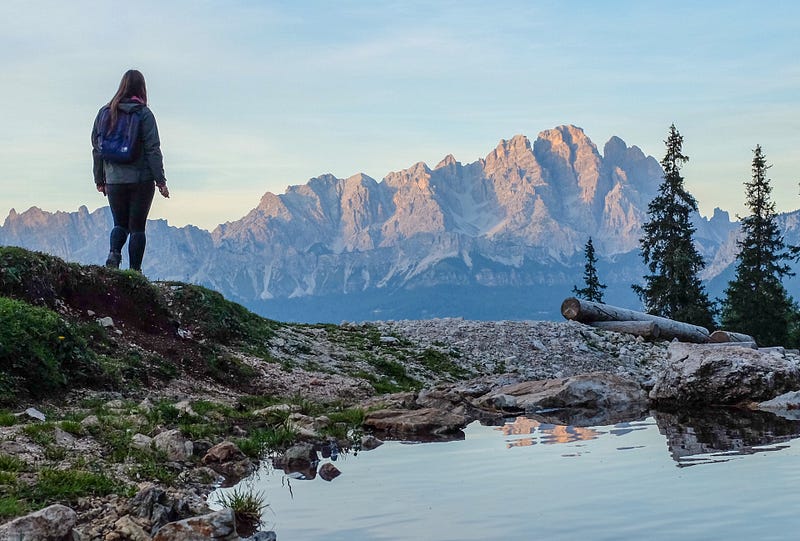
Leaving the trail when you’re on a hike can get you killed.
Let’s look at U.S. hiking statistics for a second. The biggest cause of getting lost — almost half — is not staying on the trail. People wander off for a variety of reasons and can’t find their way back. Taking a shortcut across unknown wild territory can be a recipe for disaster.
The next largest group of people who got lost while hiking fall off the trail. This is also not staying on the trail. I guess if you fall and can’t return to the path, your only choice is to try to find your way out. This might not turn out well.
After these two main causes, we have injury, onset of darkness, and finally, failure of equipment. This last cause, failure of equipment, I assume must mean failure of electronic equipment with a map on it. If your backpack fails, you shouldn’t get lost. Relying on electronic equipment to find your way can be a bad idea. A dedicated GPS device doesn’t rely on cell service. Think twice if you plan on using your cell phone for navigation in pure wilderness.
Taking a Shortcut Seems Like a good Idea
If you’re on one trail, and you think you can just cut across and find another trail or the road, you need to stop and assess what you’re about to do. This is exactly how over 40% of hikers get lost — leaving the trail! How badly do you want to do this? Are you just trying to save a bit of time? Is it worth it?
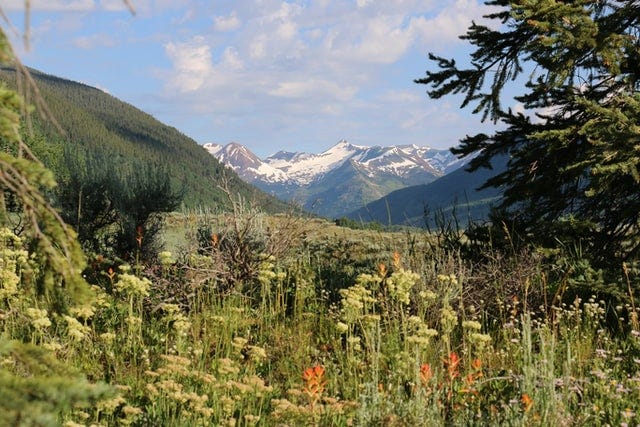
So many things can happen if you decide to cut cross country. Of course, you could get lucky and hike right on through, easily coming out exactly where you wanted.
Or, you could spend hours and hours lost and afraid.
You might come across a dangerous obstacle such as a ravine, cliff wall, fast running creek or other unknown landscape feature. Then you would have to decide to go back, or try to cross it, or go around/ through/ over.
Going back would seem like such a waste of time, you might feel. You came all this way, maybe through thick brush, and it’s going to be really hard to go back. Might as well just try to jump across this creek on these handy rocks sticking out.
Then you end up slipping, falling in and smashing your elbow on one of those handy rocks. It’s always good to be bleeding in the wilderness!
Or you might just wander a little off course and miss the spot you thought you could come out at. That’s fine if you have a cell phone and service — you could call for help. It’s not so fine if it’s getting dark and you ate all your trail mix already, you have no water left and you don’t have a jacket. And you don’t have cell phone service.
It’s Lonely Off That Trail!
Another thing about leaving the well beaten path: you won’t see anyone else out there. Chances are high that they all stayed on the trail! This means that you won’t be able to ask for help in case of trouble.
None of those other noisy people will be near you, scaring away the wildlife. You really don’t want to stumble on a mama bear and cubs while wandering right through their home. Chances of this happening go up if you are off by yourself, where no one (including the bears) expects you to be.
If You Lose the Trail, Stay Put!
A hiker who is off the path by only a few hundred yards, and stays put, can get rescued much easier. They are still NEAR where they were supposed to be. Random hikers will walk NEAR them. They might hear searchers, and be able to call out. Aircraft searchers will focus on areas NEAR the trail.

Wander a few miles off into a heavily treed area, and you become invisible. You might also become dead.
Stay put if you get lost!
Let’s recap the most important things that will keep you from getting lost and causing hundreds of volunteers to search for you for days, possibly eventually finding your cold, still body where it shouldn’t have been.
You need to have a really good idea of where the trail is and then stay on it! Don’t go over a railing or past the edge of the trail to the very edge of the cliff either, so you don’t fall off the trail. This can result in getting lost as well as flat out kill you, or at the very least getting you injured.
Do’t take shortcuts to save time, even if you’re sure where the other path is.
Don’t go so far from the trail to “use the facilities” that you can’t easily retrace your steps.
Be safe out there.
Read more about reasons to stay away from edges and cliffs: