
Birds, Animals, and Photography
Don’t Cry Fowl
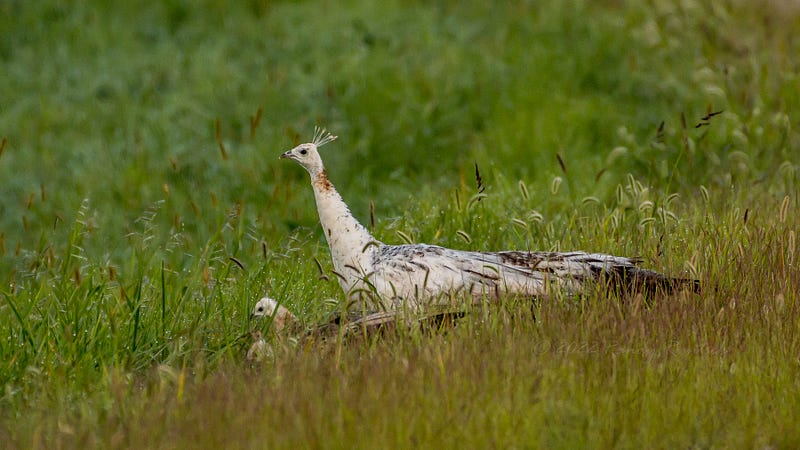
Peacocks, peahens, and peachicks inspire joy wherever you find them and in whatever their color
Everybody needs beauty as well as bread.” — John Muir
In reviewing photographs for the upcoming article, “Favorite Bird Photos of the Year — Part VI,” photos of strange birds caught my eye. They captured my imagination, too. The adult peafowl and peachicks seemed at once out of place and at home in Minnesota farm country. They appeared to enjoy life, too.
This part of the country is no stranger to exotic or nonnative wild and domesticated animals. Take the ring-necked pheasant (or common pheasant), for example. Sixty of the birds were transported from Shanghai, China, to Port Townsend Washington in 1881.
As the most popular game bird in the United States, South Dakota named the pheasant as its state bird for good reason. Hunters, who spend good money on their hobby, shot nearly 1.2 million pheasants in the Mount Rushmore State in 2014 alone. In contrast, as of 2020, only 886,667 people made the state their home.
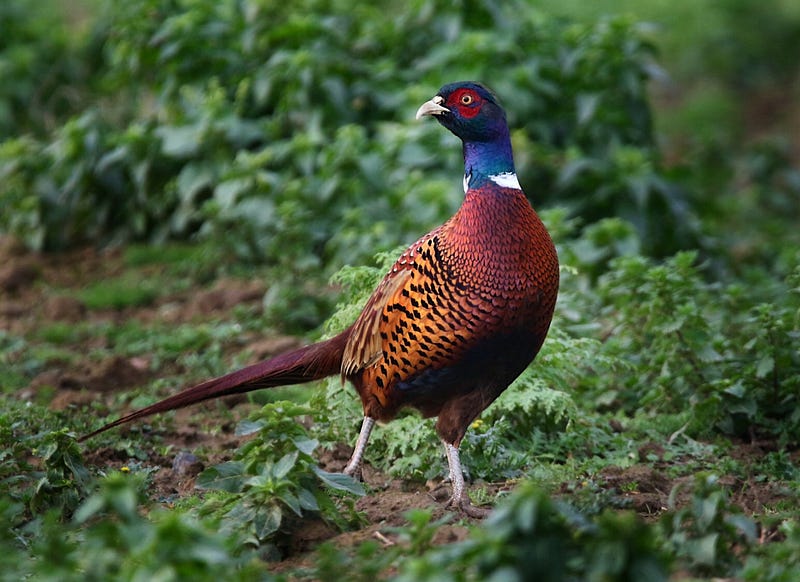
Minnesota’s pheasant population has declined in recent decades. But the birds are making a comeback, and I saw a dozen or so birds last year. I have never captured a good photo of the skittish birds, since they scramble into a cornfield or take to the sky when they spot or smell me. So, I thank Steffi Wacker for sharing her photo of the fine specimen shown above.
In summer, I pedal my bicycle through the countryside, sometimes with a camera in my backpack. At least once each year, somewhere south of my city of Rochester, I pass a sign that says “Chinchilla Ranch” with an arrow pointing left. I have been tempted to turn into the ranch.
Chinchillas are natives of western South America. Indeed, wild “herds” still live in Chile at elevations up to 14,000 feet (4,270 m).
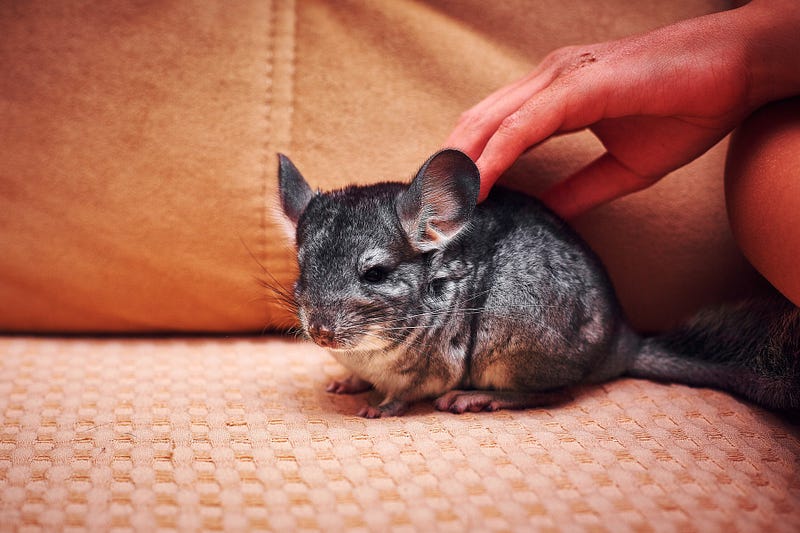
Chinchillas have the densest fur of any land mammal. The animals became rare by the end of the nineteenth century as a result of hunting for their fur. These days, most chinchillas whose fur is used for clothing and accessories are farm-raised. The thought of these creatures coming under the knife for their fur disturbs me, so I won’t stop by the ranch anytime soon.
Now, back to the peafowl. Normally, the male birds, known as peacocks, show bright colors and sometimes raise their tails as a fan. But these Minnesota birds were black and white. And their chicks ran with them.
Various peafowl species originated in India, Southeast Asia, and Africa. Fittingly, a peacock group is called an “ostentation.” Another term for a group of them is a “muster.”
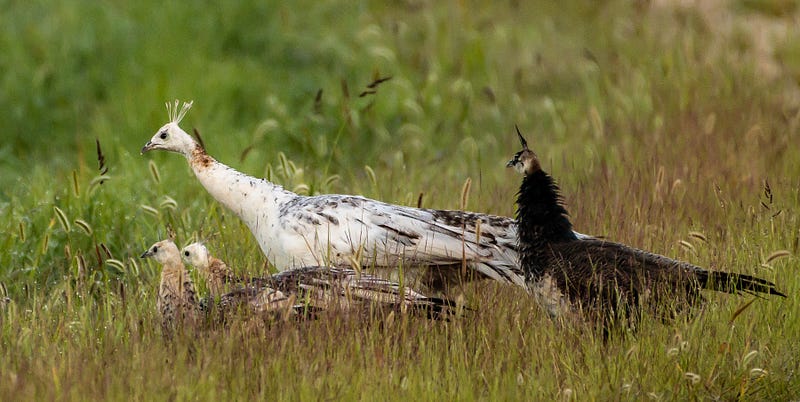
I spotted the white and black peafowl running across the road on my way to Whitewater State Wildlife Management Area to photograph birds and wildlife. They seemed to be enjoying themselves. I’ll pass by their home farm again and will be ready with my camera by my side.
“If a man walks in the woods for love of them half of each day, he is in danger of being regarded as a loafer; but if he spends his whole day as a speculator, shearing off those woods and making the earth bald before her time, he is esteemed an industrious and enterprising citizen.” — Henry David Thoreau