
Don’t Call Me A Tiger Of The Deep Blue Seas
Misjudged: Not All Sharks Are Man Eaters
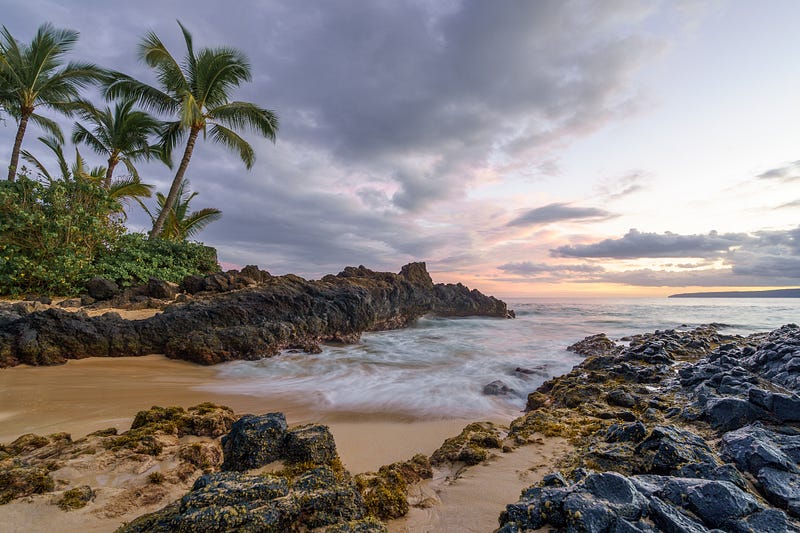
Today, with the news of the devastating wildfire events in Maui, my heart grieves for all of those living there, knowing what a special place that island and its native people are. I’ve vacationed there at least eight times over the years.
For me, filled with many laughs and memories of encounters with Mother Nature took place on that Hawaiian island — I can’t even imagine the losses now being reported. The losses of life and the burn victims, not to mention the iconic historical losses, and what this will do to the flora and fauna remains to be seen. Heart breaking. No words seem adequate.
Before this tragedy happened, on my very long list of sharing interesting walks on the wild seaside adventures carries mixed emotions. When it comes to the topic of swimming with sharks, there is one key thing I want others to know about sharks. I still think it’s important to bring more introspective awareness of “life as a shark” to other human minds.
So casting a wide sad fishnet, let’s say our prayers and wishes for those poor souls living through this new climate change driven hell on earth, and learn a little more about the marine life that will endure regardless of what happens on land.
Not All Sharks Are Out To Eat You
On Maui, I’ve met more than a few seaworthy giants and tigers. Only a few of them were of the man eating kind. For the most part, they are unfairly labeled and convicted without guilt for being thought of as mammalian marine monsters.
Many sharks for instance, simply because they are in the family of fish giants, end up being nicknamed, “Tigers of the Deep.” That’s not a compliment. We humans are guilty of our ignorance, and that shouldn’t be allowed as an excuse.
Here’s an example of what unfolded on our first morning at the luxurious Ritz Carlton grounds in Maui. I was peacefully snorkeling near the shore, enjoying the crystal-clear waters, when another tourist lady let out a blood-curdling scream. “Sharks!” she shrieked as she rushed past me and fled. Chaos then erupted like the Haleakala volcano of Maui did clear back in 1650.
Panicked mothers and fathers, sprinted towards the water, grabbing their offspring by arms, bathing suits, and one grabbed their kiddie by the hair. All of them desperately trying to save their innocent little ankle-deep frolicking children from a certain shark attack. It was like a throw-back Hitchcock movie scene, without the birds.
Kids were crying, people tripping over their flip-flops, flailing arms in the air, screaming mothers, pushing and shoving each other — pure tourist driven madness!
Guess what? The so-called “sharks” that caused this hot lava-less uproar were nothing more than small “Nurse Sharks.” The poor sharks (aka Seafloor Sharks or Cat Sharks), were just marine life minding their own business, probably catching some Z naps near the shore in calm waters.
Can’t blame the Nurse sharks, Maui’s shoreline also abounds with their favorite snacks, like tiny hard-shelled crustaceans, mollusks and small fish. I mean, who wouldn’t want a little snack handy right before you took a nap?
So there you have it, folks. The Ritz Carlton in Maui turned into a frenzy over some innocent, sleepy Nurse Sharks. It was a sight to behold, I tell you. The lesson here? Don’t let a little screaming ruin your snorkeling adventure. Nor, should you believe that all sharks are man eaters. And always remember, even sharks need their beauty sleep too!
That day after I picked my wet sandy self up from where I was shoved — I too hotfooted it over to our room, showered, and called it an early nap time too!
On a more serious note, when diving and snorkeling in the Hawaiian Islands there are sharks of several varieties. The likelihood of you getting shark bitten in or near Maui, is very unlikely. You’d have better chances winning a lottery while riding in your unicorn themed Tesla.
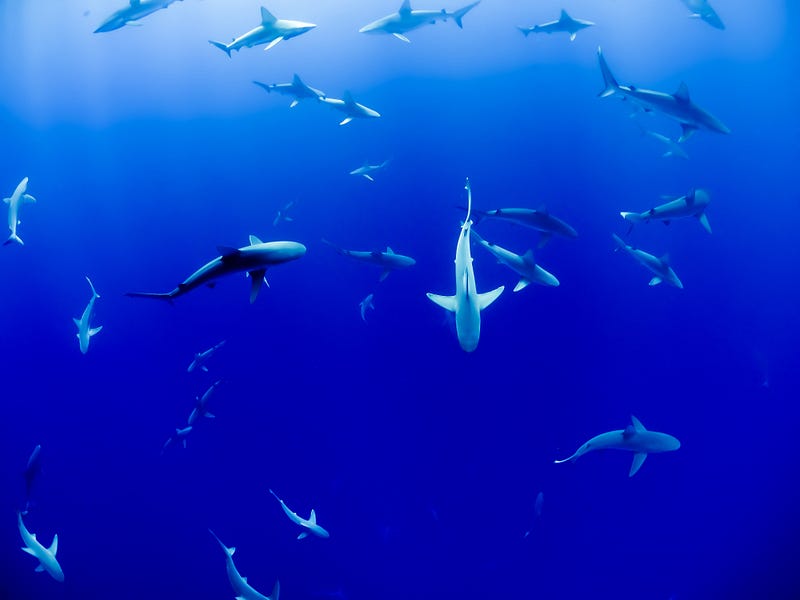
Around Maui, there are Whale Sharks, Nurse Sharks, and Mako Sharks that are generally not interested in eating you. They are going about their sharky business. The Mako Sharks for example, while speedy and agile, just feed on small fish, squid, and other marine species. But to see one is scary since they are quite large and powerful. They typically could care less about humans. No need to panic.
Other more man-eating variety sharks are also in the deep waters near Maui and the other Hawaiian Islands. They are: Tiger Sharks, Reef Sharks, and Hammerhead Sharks. Admire them from a distance preferably. Your chances extremely low when it comes to being bitten or eaten. Keep in mind that they are almost always in the much deeper waters.
“Of course in the mysterious deep seas there are plenty of strange and frightening sea life. Along with that fact, is radiant breathtaking beauty, almost unexplainable to human intelligence. The presence of ancient sharks is nothing short of magnificence in the wild and untamed.
I marvel at their strength, honor their role in the delicate balance of our oceans and find inspiration in their resilience. For in the depths of their very existence, we can discover the beauty that often lies in profound misunderstandings between species.” — Jerilee Wei © 2023
If you’d like to know more about sharks, please check out:


