
Don’t be that tourist!
A guide to being more mindful and respectful when you go abroad and enjoy your experience even more.
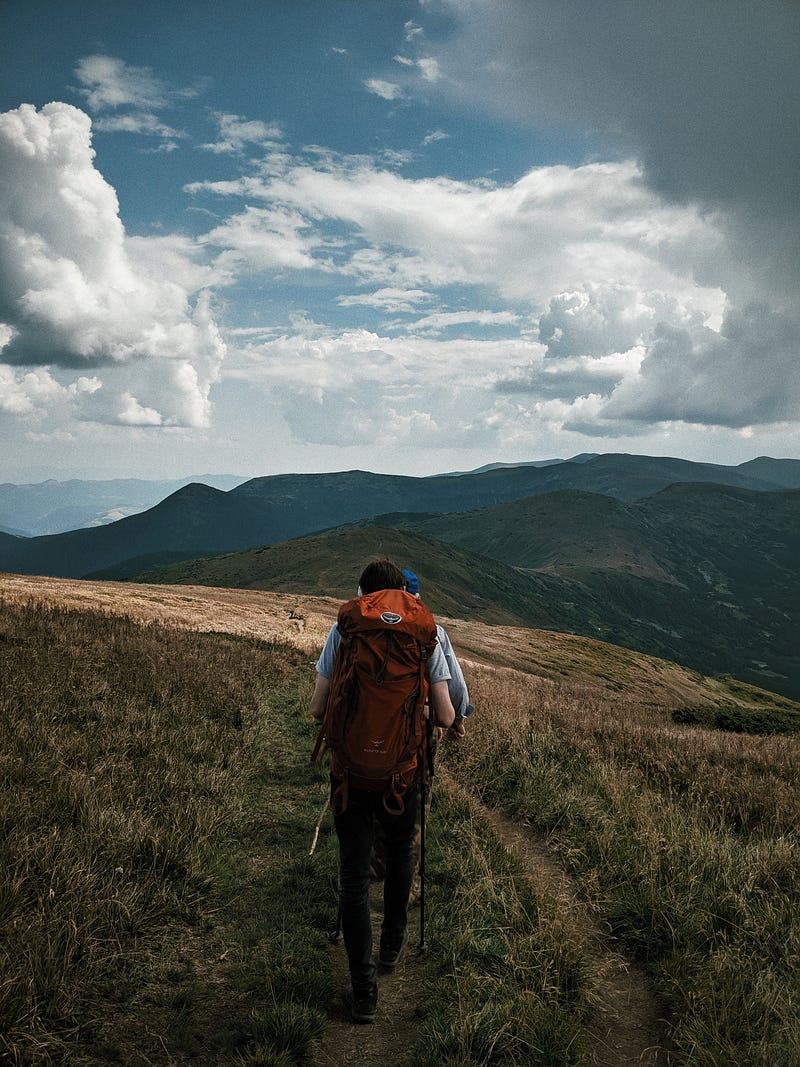
For many years, travellers around the world have experienced the diversity of cultures and the beauty of travel without worrying about the consequences.
While tourism is the main source of income for many states around the world, particularly small island states, tourism often causes overconsumption of natural resources (in places where natural resources are already scarce); disrespect for locals and local culture; increased waste and pollution. Tourism in certain areas can encourage the displacement of locals (by building new resorts and hotels in lands previously inhabited by locals) and/or encourage underpayment of staff in favour of profit.
I know this sounds depressing, but listen, the good news is that we can do something about it!
Have you ever heard about sustainable tourism?
Sustainable tourism aims to maximise the good impacts of tourism and minimise the negative ones we previously talked about.
Sustainable tourism has been defined by the UN World Tourism Organization as:
“Tourism that takes full account of its current and future economic, social and environmental impacts, addressing the needs of visitors, the industry, the environment and host communities.”
Another term linked to sustainable tourism is responsible travel. A responsible traveller aims to make choices that are ethical, respect the environment and are aligned with the principles of sustainable tourism.

So what can you actually do to become a better tourist?
- Support locally owned businesses: when you choose to book your holiday, rather than going for a luxurious resort or a chain of hotels you’ve heard about (usually owned by foreigners), try to spend your money to support smaller local businesses. This also means trying local restaurants and avoiding touristy places, shopping from local vendors rather than big supermarkets and so on.
- Try out different paths: rather than going for the most popular sites, visiting other parts of the country could be so beneficial for the local communities. It would be like going to the UK and only visiting London: what about Birmingham, Oxford, Leeds or Nottingham? The same applies to other countries like Kenya, Mexico and Japan. There’s so much a country has to offer beyond the capital of the most popular attractions. The less beaten tracks are often cheaper or better because, as we said, tourists wouldn’t usually go that far.
- Avoid volunteering: although helping out small local communities in poorer areas of the world sounds like a good thing to do, in reality, it can do more harm than good. Most people who volunteer (no offence) have no experience or qualifications to do the job they are required to do. Would they ever let you teach English in your country without a Bachelor’s or Master’s degree? So why do it somewhere else?
Sometimes these volunteering experiences are very expensive because are set up by foreign companies who want to make the most profit out of the goodness of wealthier people. There are better ways to help out locals, as we said, by supporting them financially and treating their country with respect. Some platforms such as Worldpackers have strong ethical values and promote sustainable tourism, but I would make sure they actually respect those values before deciding to travel with them.
- Respect the environment: wherever you go, you will always be the visitor of someone’s home, so make sure you leave the place as you found it. There’s not much to say about this, it’s really just common sense. Certain countries are highly dependent on tourism, so every small damage you do to the environment can have a great impact on them. If we all took away something small like a bottle of sand, a starfish or a shell you know there wouldn’t be anything left there.
- Treat locals with kindness and respect local culture: diversity is the most valuable thing we have in the world and we need to preserve it. Leave all the prejudice and stereotypes at home, be open-minded and learn how to decolonise your mind to truly appreciate cultures that differ from your own. Remember that all cultures are equally valid, important and beautiful. Once you are aware of that, you’ll be able to see the world with brand new eyes and you will really understand the joy of travel.
Thank you for reading and for being part of my journey here on Medium.
If you liked this post and are interested in topics such as language learning, travelling, motivation, personal finance, self-esteem, global citizenship, and everything that can make you a better person, please do follow me and consider signing up to become a member. It’s only $5 a month and you’ll get to not only read my stories, but also the stories of all the other writers here on Medium! If you sign up using this link, I’ll get a small commission from it at no extra cost to you :)
Feel free to connect with me on other platforms like LinkedIn, Twitter, and Instagram, I would love to create a network of like-minded people. Email me at [email protected] for any queries/questions.


