avatarLeonora watkins

Free AI web copilot to create summaries, insights and extended knowledge, download it at here

2675

Abstract

n others, making it hard for them to form new relationships or get help. As a result, anxiety becomes a constant companion.</p><h1 id="cbad">Post-Traumatic Stress Disorder (PTSD)</h1><p id="8a88">The traumatic nature of domestic abuse can lead to symptoms that linger long after the abuse has stopped. Flashbacks, nightmares, and intrusive memories of traumatic events can haunt the victim, causing heightened arousal and hypervigilance. The fear and helplessness trigger a fight-or-flight response, making it difficult for the victim to feel safe. As a result, they become emotionally numb or avoid situations that remind them of the abuse. Rebuilding a sense of safety and security after enduring domestic abuse can be a horrible journey for survivors of PTSD, professional support and therapy are necessary to address the trauma.</p><figure id="3cf2"><img src="https://cdn-images-1.readmedium.com/v2/resize:fit:800/0*G_VtVAK3SgoL4Fsq"><figcaption>Photo by <a href="https://unsplash.com/@louiscesar?utm_source=medium&amp;utm_medium=referral">Louis Galvez</a> on <a href="https://unsplash.com?utm_source=medium&amp;utm_medium=referral">Unsplash</a></figcaption></figure><h1 id="5662">Low Self-Esteem and Self-Worth</h1><p id="7e6f">Domestic abuse victims suffer from severely diminished self-esteem due to the manipulation and emotional abuse inflicted upon them. The constant belittling, demeaning remarks, and gaslighting by the abuser gradually erode the victim’s confidence. They internalise the negative messages, believing they are unworthy of love, respect, or happiness. Also, the power imbalance within the relationship further reinforces the victim’s helplessness and dependence, making it difficult for them to assert their needs or make decisions independently. Over time, the victim believes they deserve the abuse and are responsible for their partner’s actions.</p><h1 id="27eb">Importance of Support and Empathy</h1><p id="0e25">Creating a supportive environment for survivors is crucial in helping them heal from the wounds of domestic abuse. Friends, family, and society must understand the dynamics of abuse and extend a helping hand without judgement.</p><p id="0db4" type="7">Empowering Survivors and Breaking the Cycle</p><h1 id="97ca">Raising Awareness</h1><p id="b046">Raising awareness of domestic abuse is crucial for survivors, as it serves as a beacon of hope for people who have endured abuse. By increasing public knowledge about the prevalence and devastating consequences of domestic abuse, we create a supportive environment that encourages survivors to speak out and seek help. Awareness campaigns help combat the stigma and shame that vict

Options

ims feel, assuring them that they are not alone in their struggles. Increased awareness also helps society better understand the complexities of domestic abuse, dispelling misconceptions and victim-blaming attitudes.</p><figure id="ed3a"><img src="https://cdn-images-1.readmedium.com/v2/resize:fit:800/0*0dBPJIUiOtgvSE79"><figcaption>Photo by <a href="https://unsplash.com/@tingeyinjurylawfirm?utm_source=medium&amp;utm_medium=referral">Tingey Injury Law Firm</a> on <a href="https://unsplash.com?utm_source=medium&amp;utm_medium=referral">Unsplash</a></figcaption></figure><h1 id="71d5">Strengthening Legal Protections</h1><p id="2c30">Legal measures, such as restraining orders play a critical role in providing immediate protection to survivors and preventing further harm. Strengthening laws against domestic abuse also acts as a powerful deterrent to potential abusers, sending a clear message that such behaviour will not be tolerated. Proper legal protections would empower survivors to come forward, report abuse, and seek justice, as they feel assured that their concerns will be taken seriously and addressed with due diligence.</p><h1 id="b4f7">Offering Safe Spaces</h1><p id="9387">Safe spaces, such as shelters and support centres, provide a refuge where survivors can find temporary respite from their abusive environments and access vital resources without fear of judgment or retaliation. These spaces offer physical safety and emotional support, allowing survivors to rebuild their shattered sense of security and self-worth. Within these environments, they can connect with others who have experienced similar traumas, fostering a sense of community.</p><h1 id="5446">We Need to Act Now</h1><p id="046b">Domestic abuse leaves indelible imprints on the mental health of its victims. The consequences of abuse can affect every aspect of a survivor’s life. Recognising the impact of domestic abuse on mental health is the first step in helping survivors to heal and rebuild their lives.</p><div id="437c" class="link-block"> <a href="https://medium.com/@leonorawatkins98/membership"> <div> <div> <h2>Join Medium with my referral link - Leonora watkins</h2> <div><h3>As a Medium member, a portion of your membership fee goes to writers you read, and you get full access to every story…</h3></div> <div><p>medium.com</p></div> </div> <div> <div style="background-image: url(https://miro.readmedium.com/v2/resize:fit:320/0*tXkSMA90H2CkeN8r)"></div> </div> </div> </a> </div></article></body>

Domestic Abuse and Mental Health

The Far-Reaching Consequences
Photo by Annie Spratt on Unsplash

Beyond the immediate physical harm, domestic abuse has far-reaching consequences, leaving deep scars on the mental health of all victims. Domestic abuse encompasses a range of behaviours, including physical, emotional, sexual, or financial abuse. It knows no boundaries, affecting people of all genders, races, and economic backgrounds. Victims endure long periods of suffering in silence, trapped in a cycle of fear and manipulation.

The Mental Health Toll of Domestic Abuse

Depression

The relentless cycle of fear, manipulation, and control inflicted by the abuser shatters the victim’s sense of self-worth and security. Constantly living in a state of uncertainty takes a toll on their mental health, leading to overwhelming feelings of sadness and despair. The emotional scars from the abuse manifest in a range of depressive symptoms, including social withdrawal, loss of interest in activities earlier enjoyed, disrupted sleep patterns, and changes in appetite. Trauma experienced during domestic abuse can trigger persistent feelings of guilt, reinforcing depression. Without proper support and intervention, this burden becomes overwhelming.
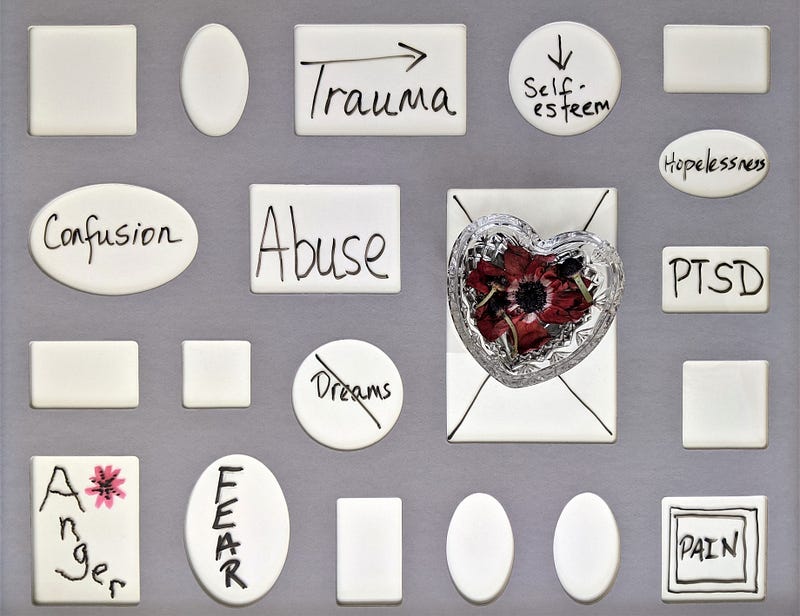
Photo by Susan Wilkinson on Unsplash

Anxiety

Domestic abuse victims often suffer from debilitating anxiety due to the unpredictability of their abusive environment. Living in fear of their abuser’s reactions or anticipating the next outburst creates a heightened state of alertness. The prolonged exposure to emotional, physical, or sexual abuse leaves victims drained, leading to symptoms of anxiety such as panic attacks, restlessness, and a constant feeling of impending danger. The abusive dynamic isolates victims from their support systems, leaving them trapped, which exacerbates their anxiety. Over time, the effects of the abuse erode the victim’s trust in others, making it hard for them to form new relationships or get help. As a result, anxiety becomes a constant companion.

Post-Traumatic Stress Disorder (PTSD)

The traumatic nature of domestic abuse can lead to symptoms that linger long after the abuse has stopped. Flashbacks, nightmares, and intrusive memories of traumatic events can haunt the victim, causing heightened arousal and hypervigilance. The fear and helplessness trigger a fight-or-flight response, making it difficult for the victim to feel safe. As a result, they become emotionally numb or avoid situations that remind them of the abuse. Rebuilding a sense of safety and security after enduring domestic abuse can be a horrible journey for survivors of PTSD, professional support and therapy are necessary to address the trauma.

Photo by Louis Galvez on Unsplash

Low Self-Esteem and Self-Worth

Domestic abuse victims suffer from severely diminished self-esteem due to the manipulation and emotional abuse inflicted upon them. The constant belittling, demeaning remarks, and gaslighting by the abuser gradually erode the victim’s confidence. They internalise the negative messages, believing they are unworthy of love, respect, or happiness. Also, the power imbalance within the relationship further reinforces the victim’s helplessness and dependence, making it difficult for them to assert their needs or make decisions independently. Over time, the victim believes they deserve the abuse and are responsible for their partner’s actions.

Importance of Support and Empathy

Creating a supportive environment for survivors is crucial in helping them heal from the wounds of domestic abuse. Friends, family, and society must understand the dynamics of abuse and extend a helping hand without judgement.

Empowering Survivors and Breaking the Cycle

Raising Awareness

Raising awareness of domestic abuse is crucial for survivors, as it serves as a beacon of hope for people who have endured abuse. By increasing public knowledge about the prevalence and devastating consequences of domestic abuse, we create a supportive environment that encourages survivors to speak out and seek help. Awareness campaigns help combat the stigma and shame that victims feel, assuring them that they are not alone in their struggles. Increased awareness also helps society better understand the complexities of domestic abuse, dispelling misconceptions and victim-blaming attitudes.

Photo by Tingey Injury Law Firm on Unsplash

Strengthening Legal Protections

Legal measures, such as restraining orders play a critical role in providing immediate protection to survivors and preventing further harm. Strengthening laws against domestic abuse also acts as a powerful deterrent to potential abusers, sending a clear message that such behaviour will not be tolerated. Proper legal protections would empower survivors to come forward, report abuse, and seek justice, as they feel assured that their concerns will be taken seriously and addressed with due diligence.

Offering Safe Spaces

Safe spaces, such as shelters and support centres, provide a refuge where survivors can find temporary respite from their abusive environments and access vital resources without fear of judgment or retaliation. These spaces offer physical safety and emotional support, allowing survivors to rebuild their shattered sense of security and self-worth. Within these environments, they can connect with others who have experienced similar traumas, fostering a sense of community.

We Need to Act Now

Domestic abuse leaves indelible imprints on the mental health of its victims. The consequences of abuse can affect every aspect of a survivor’s life. Recognising the impact of domestic abuse on mental health is the first step in helping survivors to heal and rebuild their lives.

Abuse
Domestic Violence
Domestic Abuse
Abusive Relationships
Mental Health
Recommended from ReadMedium