DOING THE HARD THING TO EMPOWER GROWTH AND SELF-RESPECT
Self-acceptance, self-approval, and self-fulfillment from doing challenging work.
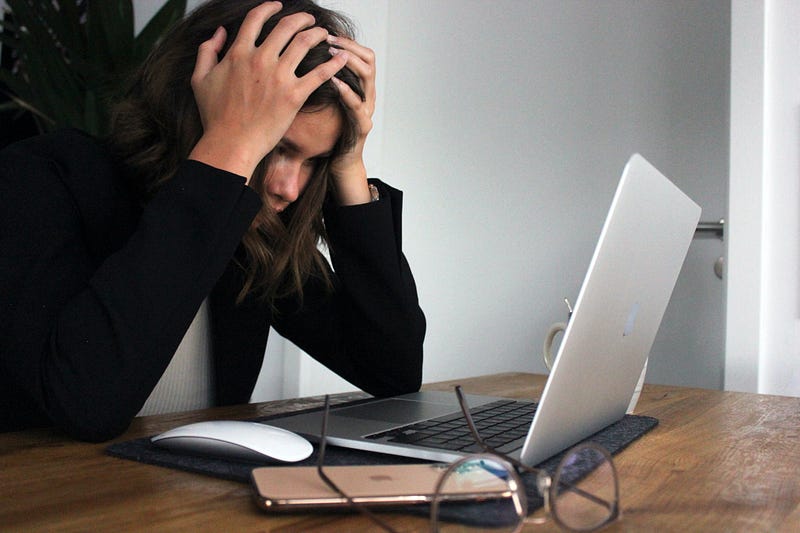
As a rule, it is important in life not to shortchange yourself, to constantly drive yourself on, to immerse yourself in the striving for hard work and problem-solving.
To you, dear reader, if I can convince you of this point, it will be because I can first show you that doing the challenging thing will lead to increased self-respect.
Achieving Self-Respect
My theory of self-respect posits that an individual’s main priority in life is to find self-acceptance and that self-acceptance is often found through doing challenging things.
Executing the demanding thing can provide valuable evidence that you have achieved increased self-respect. Why?
When confronted with the most difficult choice, you will find it is the most desirable because, whatever the obstacles, your self-esteem will increase.
The Benefits of Hard Work
Doing hard things is a way of challenging yourself and achieving your potential. There are many benefits of doing hard things, such as:
- You will train yourself to enjoy the process of overcoming obstacles and not just the outcome.
- You will stand out from the crowd and be more likely to secure their approval.
- You will be healthier and more productive as you push yourself to learn new habits and skills.
Some examples of hard things that you can do are:
· Write a book, a poem, a song, or a code
· Learn a new language, instrument, or sport
· Volunteer for a cause or help someone in need
· Speak up for what you believe in or challenge an injustice
None of these hard things will automatically bring self-respect, but the very doing the very same will put you on the right track. Insofar as we recoil from adversity seeking instead the path of least resistance, we will like ourselves less, having missed a great chance to improve our sense of self-worth.
Hang On and Not Giving Up
In my experience, the opportunity for doing the demanding thing is when you are tempted in a change attempt to give up or surrender when you have tried and tried, but progress has been minimal or nonexistent.
Too often, whether it was stopping smoking, losing weight, or giving up alcohol, the temptation to stop seemed the best option. The difficulty was in staying on the course in the face of repeated disappointments.
Have you had the experience of prematurely surrendering only later to regret that decision? Avoid this decision like the plague. I learned the lesson repeatedly: change is not linear, but endlessly variable; the error is giving up too soon.
When changing a habit or taking up a new skill, you will face a choice about continuing or not. Which is the most difficult? That will be the best choice.
Two benefits come about when you decide to do the hard thing.
First, doing the hard thing forces you to grow, becoming thereby better than you used to be. (I like this, a blatant statement of what I am about: Getting better at something as route to more worthiness, my holy grail. )
And second, doing the hard thing separates you from others who are unwilling to put in the effort. I have a friend who excels at CrossFit, an exceedingly rigorous form of exercise. She is so gung though, leaving the rest of us feeling weak and insufficiently motivated. )
Water likes to flow where it always has. As a result, we are very good at convincing ourselves that hard things ( see below) are impossible to do. Here are some suggestions for making hard things easier to do.
· “Get comfortable with effort. The world hates it, but you need to love it. Great things do not come easily, they take effort.
· Get extremely focused. Time is limited and you cannot do it all.
· Consistency is key. If it’s important, do it every day. If it’s not, don’t do it at all.
· Avoid distractions. Things designed to entertain you are not going to help you realize your fullest potential.
· Take responsibility. Waiting for the world to give what you “deserve” will waste your life. Waiting for others to change will drain your energy. Start doing something now.


