
Doing Nothing is the Most Important Thing to Do
A guide to dealing with difficult people
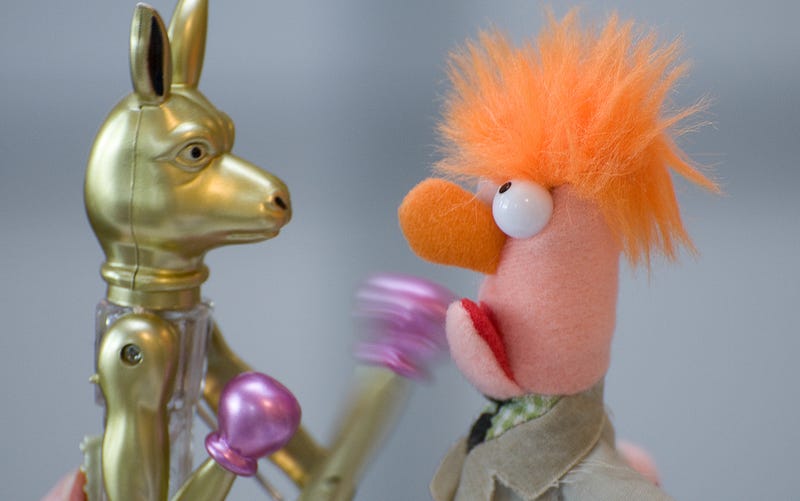
Are you struggling through a difficult relationship? Has the pandemic just made it worse? Here is what to do. Nothing. Stay with me, let me explain.
I won’t drone on about how the pandemic has pushed us all to the edge. Blah blah everyone’s life is difficult. What I am concerned about, is our own reactions. Our reactions and the noise in our own brains make everything 10x worse. That stuff is in our control.
So here is how it works. Say you are dealing with Person A (A is obviously for annoying).
Scenario: Person A is ignoring you, perhaps giving you the silent treatment:
Normally: You feel all the feels about rejection and Person A’s cruelty and why this has come about and maybe it is your fault and now how do you fix this? You go down a rabbit hole of stress and anxiety which ends up in a huge argument.
What to do instead: I would say be honest and ask yourself, really, is it your fault? But, you may not have the clarity to be honest with yourself just yet. So, for now, just don’t try to fix it. Don’t try to make the other person feel better. Not as a first reaction at least. Just let it be and let it evolve naturally. Use the time to build calmness and clarity in yourself instead of trying to solve the problem. Not all problems need to be resolved and not everyone has to feel giddy and happy all the time. Accept that.
Scenario: Person A says something nasty.
Normally: You get angry or feel some sort of negative emotion and then start down the rabbit hole of re-analyzing your entire life and how it came to this. Or better yet, create assumptions about Person A’s life and how their life ultimately came to this petty point. Not a happy place to be.
What to do instead: Nothing. Don’t react. Reacting to every little thing and trying to resolve every little thing is what adds unnecessary complexity to the already complicated human emotional state. So Person A said a nasty thing. Ok. You have feelings about it. Ok. What do you do? Nothing. Stay with the nothingness and become an observer instead of a reactor. Repeat after me: I am a do-nothing watcher of things.
Scenario: Person A is NOT doing something they should be.
Normally: You first analyze why. Why would someone fail to take action? Then you come to realize, it is obviously to hurt you. There could be no other reason. Any other reason you can come up with is also indicative of their ineptitude or cruelty. Which makes you angrier still. Now you’re swimming in the sea of your self-created anger. What did Person A actually do? Nothing.
What to do instead: You got it — Nothing. Watch them not do the thing they are supposed to do. Don’t, however, try to analyze why. Why they are doing or not doing something is not something you are going to wrap your head around. Not everything needs to be explained and squared away. Being comfortable with the unknown is a life skill to hone. More often than not, when we actually do something, it throws the other person into a cycle of rebellion or guilt and nothing really positive comes out of it. So let it be and work your way around it without inciting pangs of guilt in Person A. Then just observe, don’t do anything just like they aren’t doing anything. Do nothing together!
Scenario: Person A does something mean or triggering
Normally: You show anger, do or say something you later regret. High road shmy-road, it is time for REVENGE.
What to do instead: The whole point of doing something triggering is to get you all riled up. Some, not all, may do this just to get a reaction out of you. Sometimes this can create an unhealthy cycle of negative attention-seeking and giving. Just like you would with a misbehaving toddler — ignore the behavior but speak and stay firm. Boundaries are important. However, don’t assert them with anger. But what do you do with all this anger inside you now? Find a different diversion or outlet. Remove yourself physically until your anger feelings have subsided. This is sometimes complex and warrants an entirely different article. The point is, don’t throw all your anger back at person A.
Try the do-nothing approach and free yourself from the anxiety of constantly reacting correctly. Instead, just don’t react. When you lift the responsibility of fixing and dealing with it all off your shoulders, you are finally free to relax and think with clarity. Clarity is the goal. Only with clarity can you make better decisions and begin to improve your life. As always take this with a grain of salt. These suggestions don’t apply to every situation and the goal is to bring yourself to a state where you make better decisions.
Drop me a note and let me know if this helped you!


