
Does Your Pain Stem from Trapped Emotion?
How to treat stress-related health conditions and improve well-being
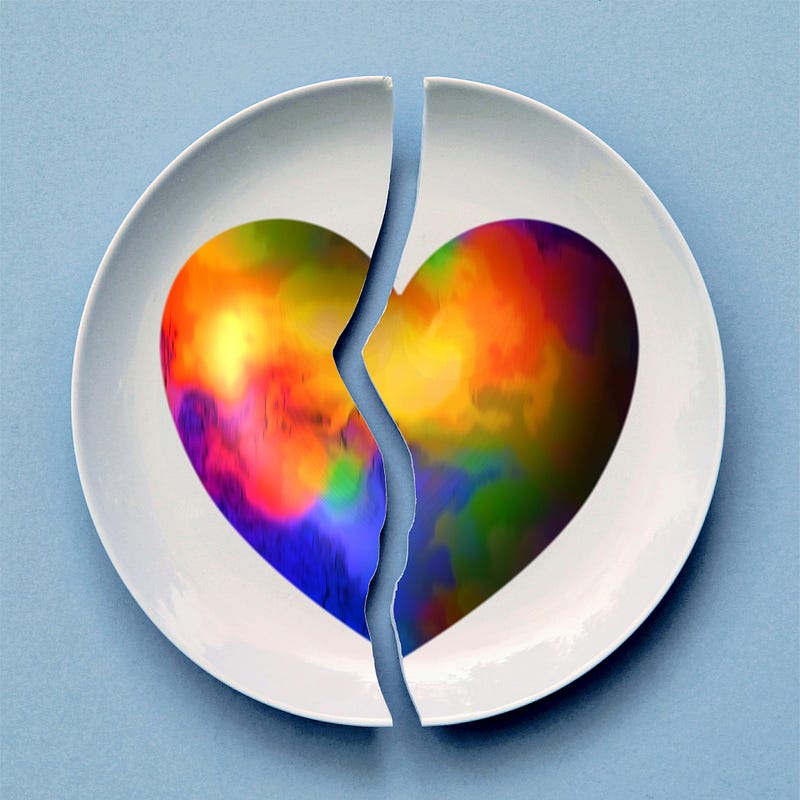
Every time you experience an emotion, you have a physical response.
Before putting pen to paper, I considered researching and offering quotes from eminent free-thinking experts and authors.
I examined information available in books and online, only to discover many so-called specialists disagree about pain stored in the body via anxiety.
Mostly, they fall out over how to release tension and cure physical angst. They all agree, nonetheless, emotions affect physical health.
I was perplexed. Then I realized I had plenty of real-life data to share. In my former days as a counselor and as someone interested in health and how feelings influence well-being, I have learned a great deal.
Here’s what I know for sure. (Backed by science and experience rather than New Age theories about which people can’t agree).
Every time you experience an emotion, you have a physical response.
When you are stressed, your blood flow changes. Anger, for instance, increases blood flow in the brain.
Dr. Michael Roizen, MD, states blood flow is also reduced in certain areas. “Work published in the Journal of the American Medical Association concluded that stress was linked to reduced blood flow to the heart (myocardial ischemia) and other vital organs. People who had a lot of stress also had more periods of inadequate blood flow to the heart, leading to a correspondingly higher risk of heart attacks and abnormal heart rhythms.”
So anxiety alters the blood flow in your body, presumably preparing you for fight, freeze, or flight.
What about long-term stress?
You’re not built to sustain chronic stress well. Life-threatening events that cause severe anxiety are meant to be over quickly.
Hence, in the past, humans might have been terrified by vicious, hungry creatures who wanted them for breakfast, but they would be killed fast or run away to safety. It would all be over in a short while either way.
These days, you’re likely to encounter stress that isn’t as horrific but lasts for days, weeks, months, or even years. With the knowledge stress changes optimal functioning (restricting blood to the heart and other organs and increasing it elsewhere), you understand there’s a problem. Stress can kill when chronic if not addressed.
All emotion influences your body
If it were just blood flow that alters when you’re stressed, although a considerable issue, that would be one thing. It’s not, though.
Each emotion also impacts the rest of your body. The results might not kill you, but they can lead to serious health issues. Mostly, they result in debilitating aches and pains.
If you don’t recognize what causes such ailments, you will take medication to mask painful symptoms. Although, of course, not all illnesses stem from emotions, those that are stress-related need to be acknowledged. They are pleas for help registered physically so you can see and feel them and take note.
Case study
I once counseled a woman who was brought up to believe expressing anger was unforgivable. She came to me when her marriage was in tatters, and her husband was abusive.
What she couldn’t express, anger, played out for her to see big-time in her husband’s actions. She was furious, as well as afraid, but channeled rage into her jaw.
I didn’t look for a connection between her physical ailments and what was happening. I was a rookie then, new to practicing, and intent on following the guidelines I’d been taught rather than anything else.
I couldn’t help but note, though, that my client’s physical distress — terrible toothache and jaw pain — always coincided with what she called “bad patches” in her marriage.
When her private life was calm, her pain left. When it raged like a storm, so did her physical pain. Conventional medical treatment didn’t help her.
It numbed the pain but didn’t cure the problem because it couldn’t. Her symptoms were a build-up of emotional tension. They expressed her psyche’s need for change and her need to express her feelings promptly rather than squash them into her jaw.
I found out later that anger often resides in the jaw and influences oral health too. Not only do some people grind their teeth at night due to anger, but rage makes them tighten their jaw at the moment it’s experienced.
Imagine, for a moment, holding tension in your hand on and off all day long and doing so again day after day. What would your hand feel like? What would be its condition?
Indeed, it would become sore, and you might develop a problem. The same is true for any part of your body where tension is held regularly.
In my client’s case, the cure was to instigate and embrace positive change and learn to express her emotions when she felt them. I also taught her how to use her emotions to influence her body positively. Acknowledgment, however, is step one in the process.
Acknowledgment
You can’t change something you don’t recognize exists. Thus, you need to identify the pain in your neck when someone you’d rather not deal with is literally a pain in the neck.
Or, the situation you face at work is a nightmare (so you’re having nightmares).
Or you’ve become mentally inflexible (so your back feels like it’s made of stiff material and aches).
Or a wound isn’t healing as fast as it should because something’s eating away at you.
Or your heart problem erupts when stressful events occur in your life.
Or cancer you thought you’d kicked to the curb returns when you have a huge family argument/you are bereaved/or you lose your job.
Not all physical ailments and diseases are caused by emotional withholding, but many are, and even more, worsen due to stress even when they have genetic origins.
If you experience an ongoing ailment medication can’t fix or no one can explain, could it be a symptom of emotions your body expresses? Acknowledge the possibility, even if you are uncertain. Stay open-minded.
The next step
Like my client, after noting the problem and why it might occur, the next thing to do is instigate positive change. (If you can).
Now and then, people go through difficult times and must endure them for various reasons. Maybe the timing’s off, or finances and support make a difference. If you must live with a chronic difficulty, you can still improve your physical and mental condition in the following ways.
Express your emotions as they happen
Whether you express emotions at once or not, they will create a physical reaction. (It’s an inbuilt survival mechanism).
Painful emotions won’t get stuck, however, if you do something with them rather than push them away.
Expression doesn’t mean you must shout and scream at someone who upsets you to release tension. You might aim to improve communication, though, write your feelings in a journal, talk to a trusted friend or relative, and let the tension go in other ways. Physical exertion or relaxation helps too.
If you’re angry on Monday, don’t wait until your dance class on Friday to let off steam. Your emotions might have occupied your muscles, shoulders, neck, back, or jaw by then. Engage in helpful behaviors as soon as possible.
Make positive emotions work for you
I don’t really like using the terms positive and negative emotions, but I will since we know what we mean.
(All emotions are positive as they exist for a good reason; to help us somehow. What we do with them makes all the difference.)
Positive emotions stemming from peace and relaxation, joy, love, or gratitude impact you physically. They can also help heal tension and act as release mechanisms.
Boost loving feelings
Connect love with joy. Think of someone you love (or a beloved pet) with whom you associate no anxiety. So, you might still love your ex but focus on someone else.
Someone who fills your heart with joy instead of breaking it or makes you want to dance rather than drop your shoulders and cast down your gaze.
Take deep, slow breaths, and place one hand over your heart. Imagine you are breathing into your heart as you think of the person or pet you love. Continue for a few minutes, and you’ll create heart resonance.
Here’s the exercise provided by nurse educator Jackie Kakuska, Ms. Rn. Join in when you want to increase positive emotions and release stress.
Here’s another great, simple video to help you breathe in a healing way for ten minutes.
This is from the video above about resonant breathing:
“Research has demonstrated that if you were to engage in resonant breathing for 10 minutes/day every day for eight weeks, you would literally retrain (reprogram) your autonomic nervous system for increased Heart Rate Variability — a measure of good health. The benefits are many: reduced blood pressure, lowered anxiety and depression, improvement in asthma, COPD, fibromyalgia, irritable bowel, and more.”
Engage in resonant breathing, particularly the HeartMath way described by the nurse in the first video provided, and according to science (and my experience), your stress-related ailments will fade, and you’ll gain a sense of calm. Your thinking will become clearer, and you’ll handle stress well. At the same time, illnesses not caused by stress that stress worsens will improve.
Stress isn’t supposed to make you ill. It’s a reaction to what’s happening in your environment and negative self-talk. Listen to its message and change unhappy conditions when you can. Increase positive emotions and reduce those that damage you with the suggestions above, and your well-being will grow.
Don’t want to miss new stories? Click here to join Medium. Your membership fee directly supports Bridget Webber and other writers you read. You’ll also get full access to every story on Medium.