
Does the Full Moon Really and Truly Affect Your Mood?
Your personality and behavior might seem different to you during the full moon.
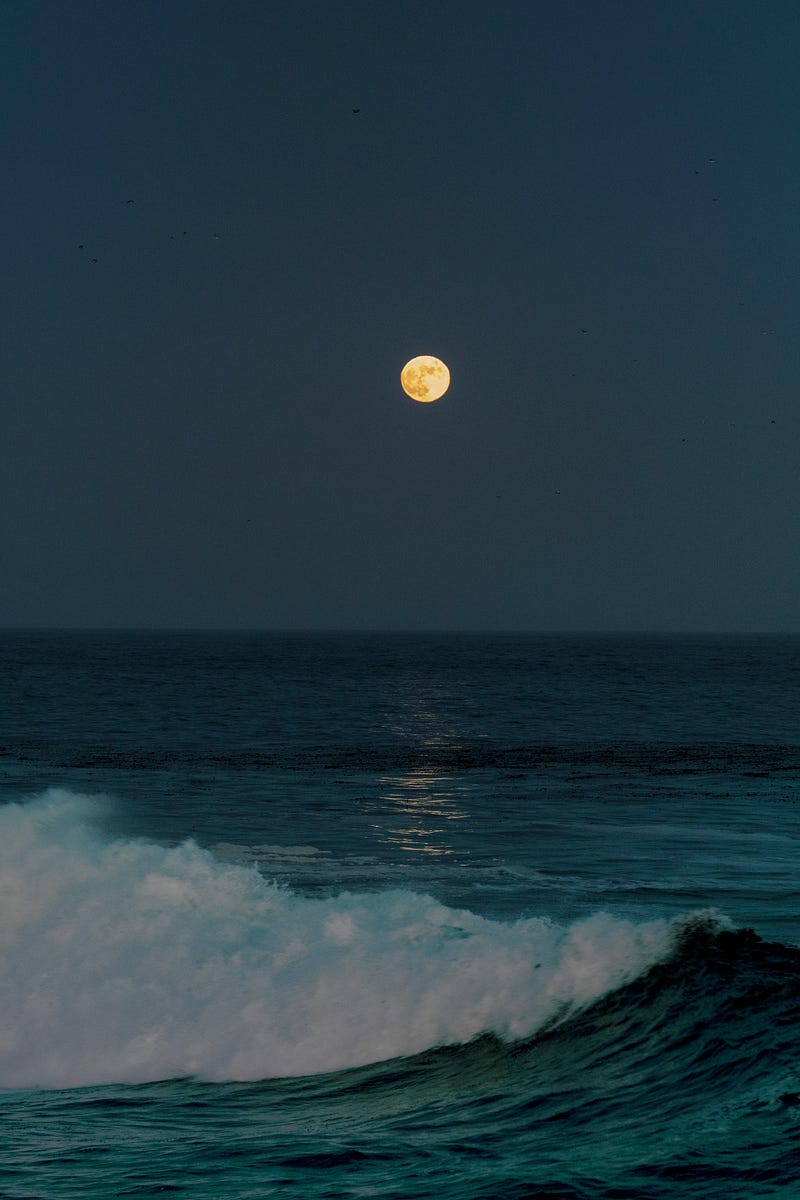
It has been said that the full moon affects your mood and it has even been connected with lunacy. As a matter of fact, the word “lunar” comes from the word “Luna”, which is Latin for moon.
During this time, people were once believed to be more violent, aggressive and crazy in general. There are those who believe this is still the case.
The negative effects of the moon have even been attributed to the reason why some people walk in their sleep when the moon is full.
Ancient philosophers theorized that there is a gravitational pull on the body’s fluids that make people behave strangely during the full moon.
Scientific reports indicate that “Animals follow the moon time’s cues.”
Given all the physical evidence to prove this, apparently, the skeptics are more accepting of these reported changes in animal life during the full moon. Acuweather went on to say this about the moon affecting animals:
“Particularly in the sea, many organisms use the moon’s phases as their clock, called the circalunar clock. Animals show this through sleep patterns, synchronized reproduction and more.”
Whether it’s true or not, lots of people, believe that the full moon affects your mood; and some health care professionals are among them.
There have even been studies linking mental health issues with the moon’s sleep altering power. One specific mental health condition that has been of particular interest is bipolar disorder.
This is because research has drawn direct connections between bipolar symptoms and the lack of adequate sleep.
So clearly, when it comes to the possibility of the moon affecting your mood, the jury is still out. In fact, you might be someone who’s undecided on whether or not your personality or behavior can somehow be affected during a full moon.
Which ever way you happen to be leaning, you’ll still have company with your conclusion. There are plenty of other experts who warn their colleagues to abandon beliefs they believe to be unfounded.
They feel that promoting these types of ideas about the moon’s effect on a patient has an influential affect.
According to skeptics, those individuals who encourage the myths about the full moon could actually cause a “self-fulfilling prophecy”. In other words, they may end up feeling the negative effects of the moon, simply because they believe they do.
Final Thoughts
If there is a life lesson to be learned from the theory of the self-fulfilling prophecy, it would be to never underestimate the power of positive thinking.
Just think positive, that the full moon won’t affect your mood, and if it does, hopefully it will be for the better.
Would you like to read more informative, entertaining Justiss Goode stories? Just click this Directory link: choose from my OVER 140 titles (by category).
My additional publications:
Black Like Me | Just Like New | Hard Knock | Short Story TIPSTER
Thank you for your: FOLLOWS | APPLAUDS | RESPONSES
Check out this FREE way to: promote your Medium Stories automatically


