Does Poetic Influence Fall On You In Such a Confusing Drift
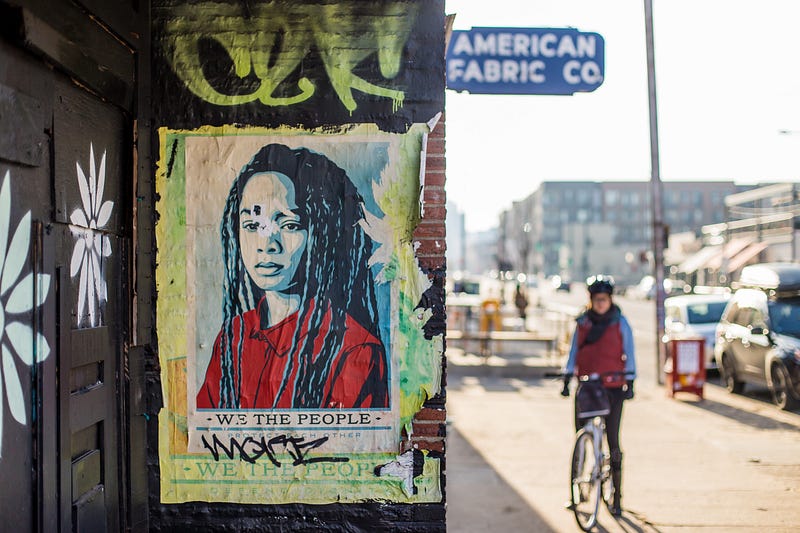
Pictures narrate stories in silence but poetry pieces paint those stories more diversely. Oh, how marvelous this art is!
Perhaps I have no idea how its all-time influence has come along changing society. Every time I see a drawing on a wall, I see poetry in it. I do believe that poetry has something which we owe to it because it belongs anywhere. And none of us pays back to the good deeds of such literary works.
Have you ever wondered why poetry is the most impressive type of writing? Does it even count a lot in the lifetime of human beings like me? Well, you may have or may have not given it a deep thought but poetic writing is a healing material for the heart, the brain and the soul.
I can’t explain enough the form of justice poets can impart to their readers until they get to believe in and trust those written lines. It’s magical.
Often, I have seen my interest draw closer to consuming a lot more poetry work than any other literary genre. It’s almost an impetus gradually acting on me. Soon, I will be swimming in it.
I used to try some poetry (Haikus) some time back but didn’t see much influence on it. Lately, my instinct started telling me it’s the right time to dive into the art of poetry so, I have to follow it.
I will be going over to explain the different types of poetry writing and it should be a blend of various stories from the hoods intertwined together with what I feel should be felt by society to change the way they treat life or how life treats them.
You can control life, not it control you. I am starting this October with a new movement.
Poetic justice(s) because not all poetry is meant to bring peace and justice. Some of it is less impactful. Some are strongly relational and others are witty enough and can bring joy and happiness. So let’s dive in.
The first one which is my favourite, takes us to Japan where it originated.
The #Tanka
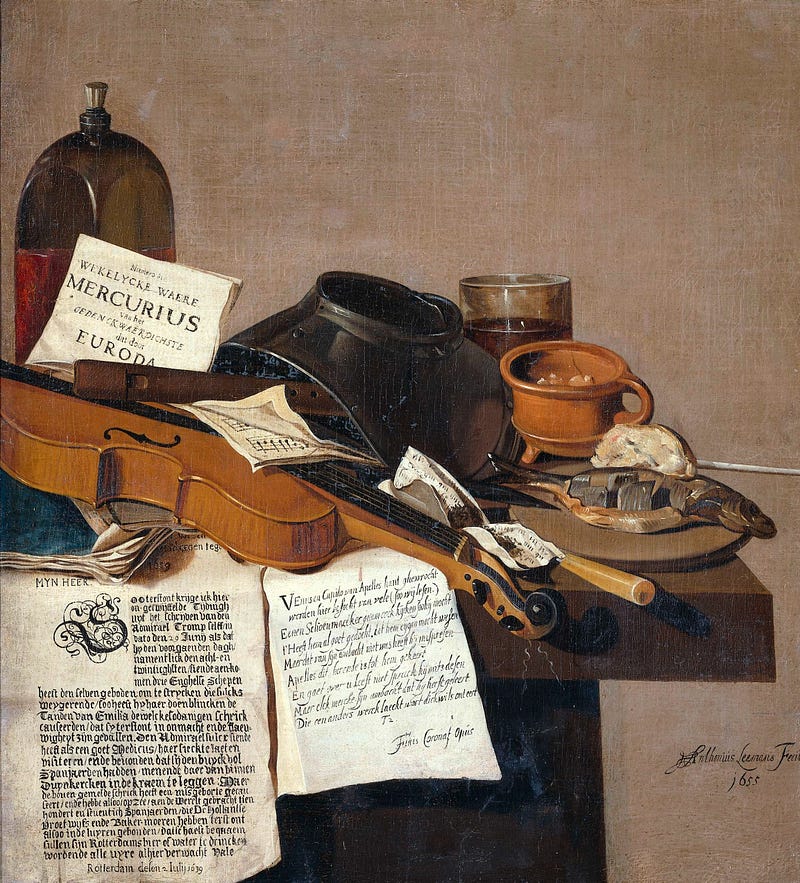
A tanka is a thirty-one-syllable poem. This is commonly known as “Japanese poetry.” It is traditionally written in a single line. This line can’t be broken but there are two sections.
Tanka poems are written to express specific feelings or emotions about nature at a given season. Tanka has a specific structure or format.
In short, the lines should stand in the form; — 5 -7–5–7–7, making a total of thirty one syllables.
Line one carries 5 syllables.
Line two carries 7 syllables.
Line three has 5 syllables as well but acts as the turning point of the poem. This breaks the two sections of the poem.
Line four carries 7 syllables and,
Line five too carries 7 syllables.
The #rules of Tanka Poetry.
- Five lines.
- No punctuation.
- The structure is 5–7–5–7–7.
- Do not mind the rhyming.
- The third line shod be the pivot or turning point of the poem.
- Both sections make sense on their own.
- The poem must paint a picture in the mind.
Now, that we’ve known how to go about Tanka poetry, I want to throw in a challenge and it is going to be fun.
I am selecting one writer who will write with me a Tanka poem. That person will also select another writer and the thread go on up to the fifth person. Each individual selected will write one line in their story.
#Challenge guidelines.
I know this is a little bit confusing but it’s a challenge. We are into this drift.
- Introduce your story in any style and any amount of words. This allows you to explore your creativity.
- After that, link back to this article for general guidelines.
- In your story, link back to the article in which you were tagged. Also, it’s author.
- Tag another person of your choice to write the next line.
- The second poet will write line two containing 7 syllables.
- The third poet writes line three in 5 syllables and it should turn the story to a new idea different from that in lines one and two.
- The fourth and fifth poets will write line four with 7 syllables and line five also with 7 syllables respectively.
Remember to observe the rule of Tanka.
Note: The fifth Poet should link back to Jeof Ogire🥇
Now, my first line goes as follows.
Whispering winds caress the trees.
— — — — — — —
— — — — —
— — — — — — —
— — — — — — —
We will pick it up from here. Let the Tanka go on.
Calling on Annelise Lords to take it up from here.
This challenge will only rotate and involve five people and after that, I will combine all five lines in one poem and tag everyone so you can read the final product.
I will then close that chapter and move to the next idea. So, that’s it.