
Does it take a village to raise a child?
Who is responsible for shaping our younger generations?
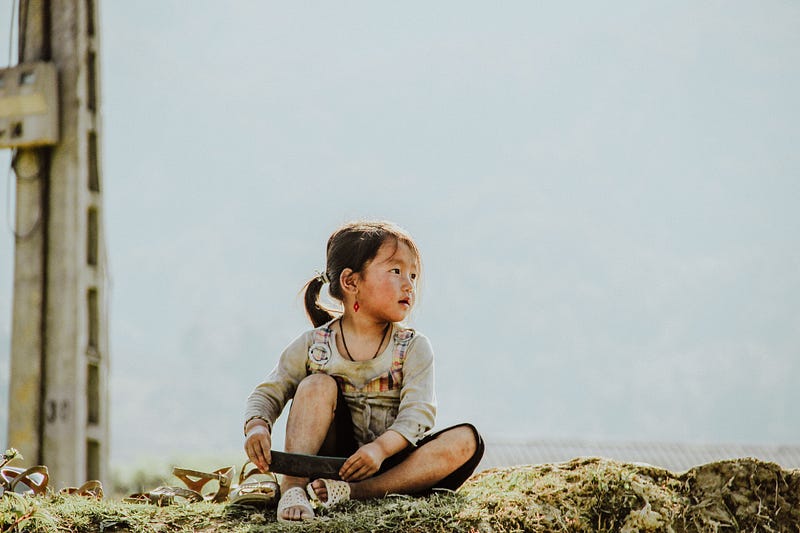
Most of us have probably heard of this proverb, “It takes a village to raise a child”. This old African proverb implies that the entire community is responsible for ensuring that children are raised in a safe and healthy environment. However, what are your takes on this?
Human Nature
Humans are naturally susceptible to influences and tend to prefer things they are familiar with (due to the mere-exposure effect).
The brains of children are like sponges, absorbing everything going on around them. If they are in a toxic environment where shouting and fighting is an everyday thing, they are likely to grow up to be that person who shouts and fights instead of communicating properly.
In addition, most of us yearn to be accepted and feel a sense of belonging. That may blind us into doing things that we are aware are wrong or even bad for us for the sake of acceptance. Teens who are more likely to be fearful of being an outcast, are more vulnerable to peer pressure and typically view acceptance as a reward or achievement.
Impacts of Society
The young are unable to stand up for themselves and may not know that they are being ill-treated, especially by those they deem as family. Sadly, people often turn a blind eye when they notice something wrong.
In general, people are afraid that they are interfering with someone’s family affairs and being an outsider does not give them the right to voice out. Some do not want to go through the trouble and “waste” their time, or simply because it is not their issue and they do not want to be involved in it.
Social discrimination that one may face also has a strong influence on their mental well-being. It could shape them into becoming more defensive, quick-witted and have a strong mentality. However, it can also twist their thoughts and mindset negatively. Leading to aggressiveness, uptight personality, a sense of helplessness and pessimism.
Family Influences
Some families do not place emphasis on correcting bad behaviour. They allow or ignore those behaviours which are signs that a change is necessary. Thus, the child is spoilt and lacks the basic knowledge of social norms and respect for others.
On the contrary, some do not tolerate any behaviour which is different or unique even though those are acceptable acts. This could result in the child having mental health issues and stress.
There must be a proper balance in giving the child freedom to develop their self-identity, learn from experiences while correcting and reprimanding them when necessary. This helps them in becoming a good person with individuality.
The way members of the household interact also has a great say in how the child’s personality will be. For example, a family that is supportive, shares deep conversations and take part in outdoor activities would most likely raise a child who is vocal, extroverted and sporty. If the family does not have proper conversations, is unsupportive and denies mental health issues being a real thing, the child would properly have poor mental health, a weak mentality and low self-esteem.
Environmental Factors
A country kid who spent their entire life in the rural area might possess traits whereby they are more old school. Leading a lifestyle where they are more laid-back and have a fixed routine. They typically have a greater sense of community, are more empathetic and hold traditional values. Plus, they are often less tech-savvy due to the lack of exposure, but that would not hinder their life significantly unless they move to the city.
Whereas, those that grew up in urban settings could come off as distant, detached, not as easy going and self-serving. Their lifestyles are typically fast-paced, have a messy schedule and are faced with a greater level of stress. They are more familiar with technological devices and these gadgets are often part of their daily lives. Being non-tech-savvy could affect their life quality e.g. trouble using video calling services such as Zoom to take part in discussions. Hence, parents who raise their children in the city must allocate an appropriate amount of time for the children to use devices such as mobile phones with supervision.
Furthermore, depending on the social status and country that one is from, the cultural norm and the settings they experience would differ significantly. Thus, shaping all of us differently.
Conclusion
Does the environment that one grew up in and the people they surround with determine their actions and future? Yes.
However, outcomes can be positive or negative. If you are caught up in a bad situation and pity yourself, that is self-destructive. Instead, work towards a positive change. There are people, even siblings who underwent the same circumstances that end up leading extremely different lives. One could be leading the same life as before, the other living the life they dreamt of.
Of course, there are those who are fortunate to be raised in good circumstances yet end up going down the hill. Our personalities and situations changes throughout our lives, depending on many factors.
Life may not be a bed of roses, but do not let that hinder you from being the best version of yourself. A phase of your life may affect your future, but it does not dictate it. Who you were in the past is not equivalent to who you could be.
.
.
.
Importantly, do not be afraid to seek help when needed.
Find a trusted person to talk to or seek professional help.
Don’t wait until it’s too late, you might not get a chance.


