
Does it Matter When in Life You Start Exercising?
If you hope to live long and stay healthy in mind and body, here’s what you need to know
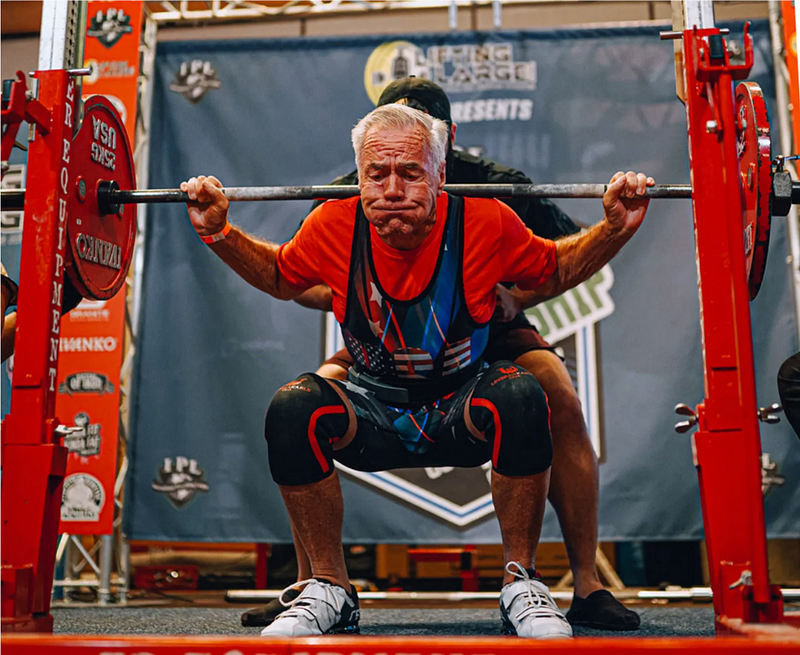
Science has firmly established that physical activity of almost any sort helps us sleep better, bolsters the immune system and improves overall physical health and capability, alleviates chronic pain, keeps the brain sharp and productive in the near term and lowers the risk of dementia in the long run, while upping the odds for a longer, healthier life.
Beneficial physical effort can involve formal exercise like jogging, yoga, sports or working out at the gym, or just a brisk walk, gardening, dancing, or almost any physical activity you enjoy.
However, less is known about the effects of physical activity’s frequency and timing over the course of life: Does it matter if we exercise consistently starting at a young age, or become active only later on or, like many of us, exercise in fits and starts throughout life?
A new study offers helpful perspective, indicating some things you probably suspect deep down but perhaps ignore on a regular basis.
Scientists analyzed data of 1,417 British people who’ve participated in a years-long study. Cognitive test scores measuring memory and processing speed, attention, and language ability at age 69 were compared to leisure-time physical activity — exercise, sports or other vigorous activities — at ages 36, 43, 53, 60–64 and 69. Activity levels were rated from inactive to moderate (one to four times a month) to most active (five or more times monthly).
Those who scored the best on the cognitive tests had been active at all five stages of life.
The findings, published this week in the Journal of Neurology Neurosurgery & Psychiatry, suggest that “being physically active at any time in adulthood, even if participating as little as once per month, is linked with higher cognition,” the scientist conclude. However, they add: Higher cognition was most strongly linked with cumulative physical activity and high levels of it at all stages in life.
If we can keep the brain healthy, then we might also want to keep the body fit and capable and live a good, long time. While longevity researchers and investors are spending billions to develop drugs and therapies that could extend lifespans, it’s well-established that exercise is among the most effective ways to slow aging and extend lives—if we’re willing to get moving.
One example: A 2019 study looked at the activity habits of 315,000 U.S. adults over time, to see how timing affected health and longevity. The results, which I reported previously:
Maintainers: People who are active throughout adulthood (exercise at least two hours per week) had a 30% to 35% lower risk for death during the study period, in line with what researchers expected.
Decreasers: People who are active in adulthood but became less active in midlife, lost most of the health benefits of their previous physical activity.
Increasers: People who became physically active in their early twenties, or not until later in midlife, saw mortality risk drop 30% to 35%.
The latter group’s result was a surprise to the researchers.
“These findings suggest that if you’re active in early adulthood, stay active. Don’t decrease,” study leader Pedro Saint-Maurice, a researcher in the Division of Cancer Epidemiology and Genetics at the National Cancer Institute, told me. “If you’re between ages 40 to 60 and you have not been active for a long time, it’s not too late to start exercising now.”
To get the bulk of the health benefits, experts generally recommend at least 150 minutes a week of moderate physical activity — any movement that gets your blood pumping and your heart rate going. This can be accomplished with 22 minutes a day or in longer sessions less often. Or one can engage in more vigorous activity for 75 minutes a week. Finally, the recommendation calls for twice-weekly strength training, too.
Of course, eating in a healthy way, avoiding drugs and alcohol, and focusing on quality sleep all matter greatly for health and longevity, too.
Note that the above studies relied on some self-reporting, which isn’t always accurate, and while the scientists took into account potentially confounding factors, the results do not prove cause-and-effect. But the conclusions are in line with so much other research that it’s not a leap of faith to accept the suggestions I’ve heard from a number of health experts and researchers over and over:
If you’ve been active, keep it up. If not, then today is the perfect day to get moving — if you hope to live a long, healthy life and keep your wits about you down the road, anyway.
Related:
- The No-Excuses Guide to Physical Activity
- What the Heck is ‘Moderate or Vigorous’ Physical Activity?
- Weightlifting vs. Aerobic Exercise: Which is Best?
- How to Start Running Effectively and Avoid Injury
- 3 Doctor-Designed Workouts Anyone Can Do
- Sit a Lot? Move This Much Every 30 Minutes, Study Says
- Two At-Home Workouts to Stay Fit
- The Best Time of Day to Exercise
- It’s OK to Despise Exercise
- The Myth of 10,000 Steps
Your support makes my health and wellness writing possible. You can sign up for emails when I publish on Medium, or join Medium to directly support me and gain full access to all Medium stories, get my health news briefs on Mastodon, or check out my book: Make Sleep Your Superpower: A Guide to Greater Health, Happiness & Productivity (paperback or Kindle version). — Rob


