avatarArpan Chowdhry

Free AI web copilot to create summaries, insights and extended knowledge, download it at here

1206

Abstract

person who works with data for decision-making, I understand the Fed’s critical need for its data sources to be stable. But grocery stores (food) and gas stations (energy) are where the general public feels the most impact of inflation. For most people, their paychecks don’t vary wildly from week to week but in high-inflation environments, like the past two years, their grocery bills can. A household staple like a dozen eggs that cost X dollars one week was costing 2X or 3X the next week.</p><h1 id="dadf">The reality is that food is supposed to be expensive!</h1><p id="a153">But is food expensive just because of supply chain shocks due to the pandemic? Or is the changing climate also to blame? As I articulated in this article <a href="https://readmedium.com/can-gmo-foods-save-humanity-dc542e905efb">(Can GMO foods save humanity?)</a> the changing climate is making it harder to grow food for all 10 Billion of us living on the planet. And as the saying goes, “The world runs on supply and demand”. As the supply of food becomes more volatile so will the prices.</p><h1 id="6e4f">But what is the solution?</h1><p id="2f7b">The Fed is doing its job to fight inflation. And it is doing a damn good

Options

job since the inflation has come down significantly since the second half of 2023. But lower inflation is not the same as falling prices. Prices continue to be high and they hurt the folks at the lower end of the economic spectrum the most, while people at the higher end don’t even notice. These prices push families to make hard choices. Choices between buying healthy foods such as fruits and vegetables for their kids or paying for other daily needs. The <a href="https://www.whitehouse.gov/child-tax-credit/#:~:text=The%20American%20Rescue%20Plan%2C%20signed,each%20child%20under%20age%206.">extra child tax credit </a>that the US government instituted during the COVID-19 pandemic, provided families the same protection against food price volatility as the Fed seeks with PCE.</p><p id="e37e">There is no magic wand to fix inflation of food prices. But as the planet changes I hope we can continue to support people who need help the most.</p><p id="c818"><i>If you like my article and would like to see more of this, make sure to:</i></p><ul><li><b>Follow me on <a href="/@arpanchowdhry">Medium</a></b></li><li><b>Link to my other <a href="/@arpanchowdhry">stories</a></b></li></ul></article></body>

Does Food Price Inflation really hurt?

Inflation is a bad thing. We all agree. But what is the solution?
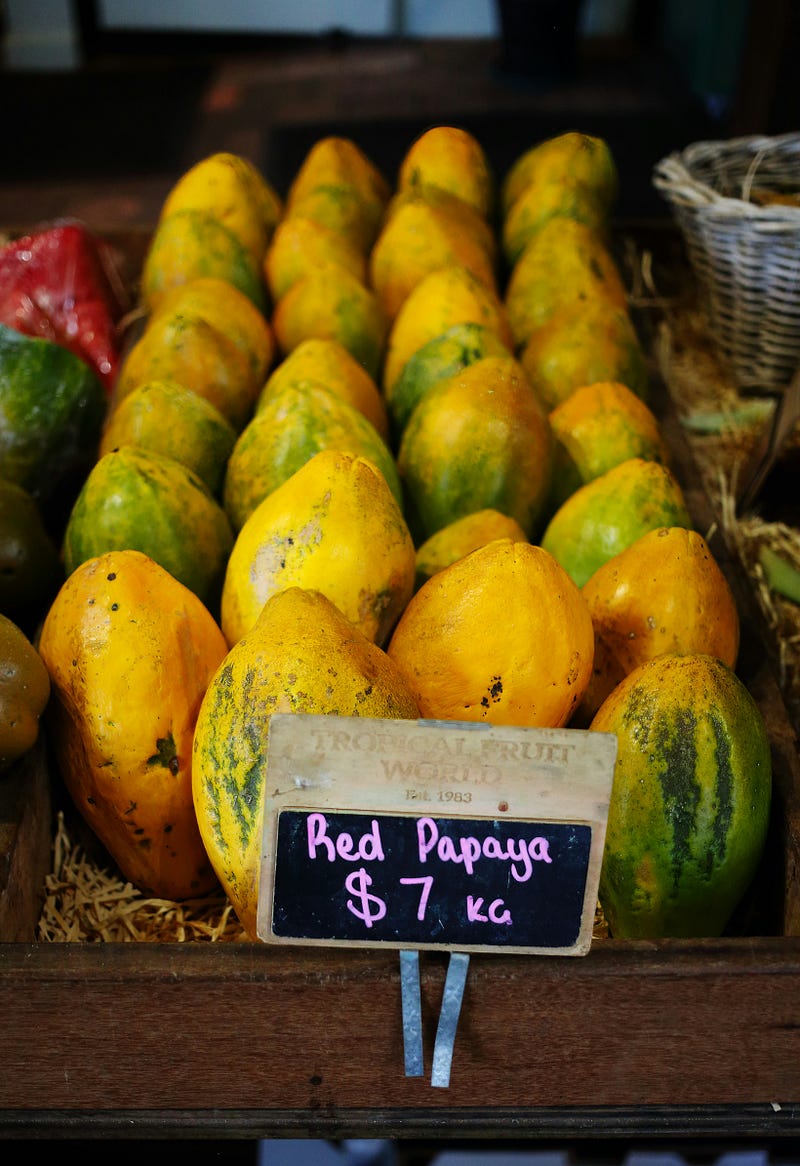
Photo by Simon Hurry on Unsplash

How is inflation measured?

Two different price indexes are popular for measuring inflation:

  1. Consumer Price Index (CPI) from the Bureau of Labor Statistics
  2. Personal consumption expenditures price index (PCE) from the Bureau of Economic Analysis.

CPI is also known as the ‘Headline’ inflation measure and PCE is known as the ‘Core’ measure since it excludes energy and food. The Federal Reserve (FED) prefers to use the PCE measure for interest rate decisions since it is more stable as energy and food are excluded since they are more volatile than the rest of the factors considered.

Is that a problem?

As a person who works with data for decision-making, I understand the Fed’s critical need for its data sources to be stable. But grocery stores (food) and gas stations (energy) are where the general public feels the most impact of inflation. For most people, their paychecks don’t vary wildly from week to week but in high-inflation environments, like the past two years, their grocery bills can. A household staple like a dozen eggs that cost X dollars one week was costing 2X or 3X the next week.

The reality is that food is supposed to be expensive!

But is food expensive just because of supply chain shocks due to the pandemic? Or is the changing climate also to blame? As I articulated in this article (Can GMO foods save humanity?) the changing climate is making it harder to grow food for all 10 Billion of us living on the planet. And as the saying goes, “The world runs on supply and demand”. As the supply of food becomes more volatile so will the prices.

But what is the solution?

The Fed is doing its job to fight inflation. And it is doing a damn good job since the inflation has come down significantly since the second half of 2023. But lower inflation is not the same as falling prices. Prices continue to be high and they hurt the folks at the lower end of the economic spectrum the most, while people at the higher end don’t even notice. These prices push families to make hard choices. Choices between buying healthy foods such as fruits and vegetables for their kids or paying for other daily needs. The extra child tax credit that the US government instituted during the COVID-19 pandemic, provided families the same protection against food price volatility as the Fed seeks with PCE.

There is no magic wand to fix inflation of food prices. But as the planet changes I hope we can continue to support people who need help the most.

If you like my article and would like to see more of this, make sure to:

Food
Foodies
Climate Change
Inflation
Recommended from ReadMedium