avatarMichael Hunter, MD

Free AI web copilot to create summaries, insights and extended knowledge, download it at here

2076

Abstract

um&utm_medium=referral">Gadiel Lazcano</a> on <a href="https://unsplash.com?utm_source=medium&amp;utm_medium=referral">Unsplash</a></figcaption></figure><p id="e0d2">A separate study showed that <a href="https://pubmed.ncbi.nlm.nih.gov/23819683/">suicide risk dropped by nearly half</a> (45 percent) for those who consumed two to three and four or more cups of coffee daily. This risk compares with those who drank one or fewer cups per week.</p><h1 id="dc38">Coffee, Parkinson’s disease, and dementia</h1><p id="154e">According to numerous studies, coffee reduces (or delays) the risk for Parkinson’s disease. There appears to be a dose-response relationship: The more one drinks, the lower the risk of Parkinson’s disease. Decaffeinated coffee does not offer <a href="https://www.nejm.org/doi/full/10.1056/NEJMra1816604">similar protection</a>.</p><p id="7fda">And what about mild cognitive impairment or dementia? If you already have a mild cognitive impairment, <a href="https://pubmed.ncbi.nlm.nih.gov/22430531/">coffee may decrease the risk</a> (or delay the onset) of dementia. Not all studies have found a coffee benefit; a <a href="https://www.tandfonline.com/doi/abs/10.1080/1028415X.2021.1945858?journalCode=ynns20">large study</a> discovered that consuming six or more cups of coffee daily is associated with a smaller brain volume and a 1.5-times <i>higher</i> dementia risk.</p><p id="d07e">Given the negative findings just cited, should you give up your coffee habit? <a href="https://www.medscape.com/viewarticle/955378#vp_3">Harvard Professor Walter Willett, MD, DrPH</a>, says the study is large and well done. He continues:</p><blockquote id="4b43"><p>“It does raise questions about an increase in the risk of dementia with six or more cups of coffee per day,” said Willett. “At the same time<i>,</i> it provides reassurance about lack of adverse effects of coffee for those consuming three or four cups per day, and little increase in risk, if any, with five cups per day.”</p></blockquote><h1 id="0c38">It’s not so clear</h1><p id="6d83">The increase i

Options

n risk with six or more cups of coffee daily may or may not be an actual effect of coffee; the study did not fully adjust for potentially confounding factors, including diet, alcohol, or past smoking. I think six cups of coffee is a lot, and we should probably do as my mom said: It is often best to do things in moderation.</p><figure id="00ab"><img src="https://cdn-images-1.readmedium.com/v2/resize:fit:800/0*pUb41hmoNG_GfX0x"><figcaption>Photo by <a href="https://unsplash.com/@eilisgarvey?utm_source=medium&amp;utm_medium=referral">Eilis Garvey</a> on <a href="https://unsplash.com?utm_source=medium&amp;utm_medium=referral">Unsplash</a></figcaption></figure><p id="426c">Another potential problem when we hail the virtues of a given food or drink is this — drinking coffee may be (at least partially) determined by your health status. We can quickly come to misleading conclusions. Researchers try to control confounding variables, but it is an imperfect science.</p><p id="cf68">Thank you for joining me today.</p><div id="341c" class="link-block"> <a href="https://drmichaelhunter.medium.com/membership"> <div> <div> <h2>Join Medium with my referral link - Michael Hunter MD</h2> <div><h3>As a Medium member, a portion of your membership fee goes to writers you read, and you get full access to every story…</h3></div> <div><p>drmichaelhunter.medium.com</p></div> </div> <div> <div style="background-image: url(https://miro.readmedium.com/v2/resize:fit:320/0*qjOWZMKquZ9Wb43u)"></div> </div> </div> </a> </div><p id="048b"><i>The information I provided in this blog is for educational purposes only and does not substitute for professional medical advice. Please consult a medical professional or healthcare provider if you seek medical advice, diagnoses, or treatment. I am not liable for risks or issues associated with using or acting upon the information in this blog.</i></p></article></body>

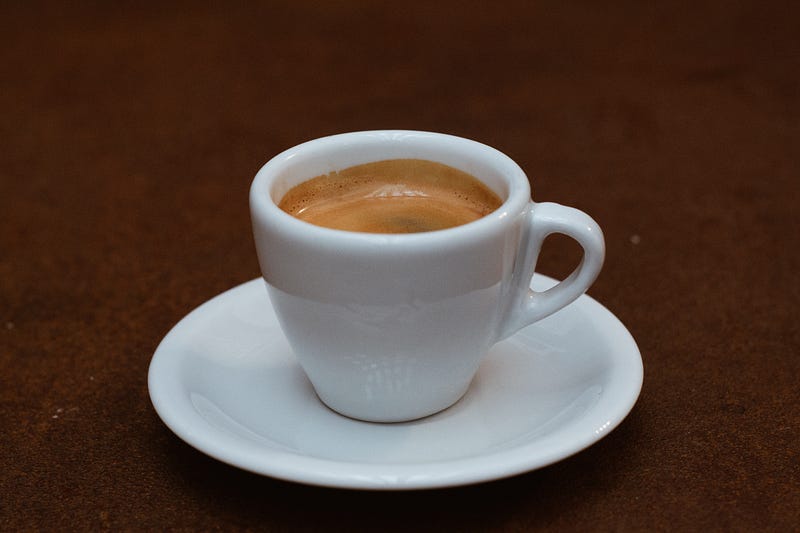
Photo by Gabi Miranda on Unsplash

Does Coffee Help with Mental Health?

CONSUMING COFFEE MAY HELP improve mental health. For example, those who drink the beverage may substantially drop depression rates by nearly one-third. Drink more, say two to three cups daily, and the suicide rate drops by nearly half (45 percent).

Let’s briefly explore how drinking coffee may help with certain mental health conditions. More specifically, we’ll explore the impact of coffee consumption on depression, suicide, Parkinson’s disease, and brain volume.

Coffee and depression

You probably already know that drinking coffee can improve your mood. But did you know that both high and low levels of coffee intake are associated with substantial reductions in depression rates, with risk dropping by nearly one-third?

These are the findings of a meta-analysis of 15 observational studies. The relative drops in depression risk for tea and coffee consumption were nearly 30 percent for those who consumed either high or low amounts of the beverages.

The positive relationship between soft drinks and depression risk did not change after researchers controlled gender, country, alcohol, smoking, and physical activity.

The study authors concluded that high consumption of coffee and tea might reduce the risk of depression, while high consumption of soft drinks may increase the risk of depression.

Photo by Gadiel Lazcano on Unsplash

A separate study showed that suicide risk dropped by nearly half (45 percent) for those who consumed two to three and four or more cups of coffee daily. This risk compares with those who drank one or fewer cups per week.

Coffee, Parkinson’s disease, and dementia

According to numerous studies, coffee reduces (or delays) the risk for Parkinson’s disease. There appears to be a dose-response relationship: The more one drinks, the lower the risk of Parkinson’s disease. Decaffeinated coffee does not offer similar protection.

And what about mild cognitive impairment or dementia? If you already have a mild cognitive impairment, coffee may decrease the risk (or delay the onset) of dementia. Not all studies have found a coffee benefit; a large study discovered that consuming six or more cups of coffee daily is associated with a smaller brain volume and a 1.5-times higher dementia risk.

Given the negative findings just cited, should you give up your coffee habit? Harvard Professor Walter Willett, MD, DrPH, says the study is large and well done. He continues:

“It does raise questions about an increase in the risk of dementia with six or more cups of coffee per day,” said Willett. “At the same time, it provides reassurance about lack of adverse effects of coffee for those consuming three or four cups per day, and little increase in risk, if any, with five cups per day.”

It’s not so clear

The increase in risk with six or more cups of coffee daily may or may not be an actual effect of coffee; the study did not fully adjust for potentially confounding factors, including diet, alcohol, or past smoking. I think six cups of coffee is a lot, and we should probably do as my mom said: It is often best to do things in moderation.

Photo by Eilis Garvey on Unsplash

Another potential problem when we hail the virtues of a given food or drink is this — drinking coffee may be (at least partially) determined by your health status. We can quickly come to misleading conclusions. Researchers try to control confounding variables, but it is an imperfect science.

Thank you for joining me today.

The information I provided in this blog is for educational purposes only and does not substitute for professional medical advice. Please consult a medical professional or healthcare provider if you seek medical advice, diagnoses, or treatment. I am not liable for risks or issues associated with using or acting upon the information in this blog.

Health
Coffee
Food
Mental Health
Depression
Recommended from ReadMedium