avatarJames Marinero, MSc, MBA

Free AI web copilot to create summaries, insights and extended knowledge, download it at here

3780

Abstract

and components in supplies to Russian companies from China has increased from 2% to 40% since the start of military actions in Ukraine, a source in the Russian electronics market told “Ъ”. In their opinion, the reason is that after the termination of official cooperation between foreign distributors and Russian partners, the latter began to establish their own channels for importing electronics and components through unofficial suppliers. “The increase in defects will double the final cost of Russian electronics and extend production times,” they note.</p></blockquote><blockquote id="be05"><p>A top manager of a large Russian producer of electronics confirms the problem: the deficiency of components caused by logistical disruptions due to the pandemic has been exacerbated this year by sanctions. Manufacturers, according to “Ъ”’s source, are forced to purchase components from unauthorized suppliers who do not guarantee the quality of the products. Customers themselves have started to purchase components and equipment from abroad, which has increased competition for domestic producers, the source adds.”</p></blockquote><p id="a335">OK, so Russians will have problems buying new appliances — even fridges and washing machines have chips in them nowadays.</p><blockquote id="fc1c"><p>“Importers have to create longer supply chains and purchase products not directly from factories, but through intermediaries and on exchanges, leading to a decrease in the degree of control over product quality, admits Nikolai Komlev, the CEO of the Association of Computer and Information Technology Enterprises. He doubts that the quality of Russian equipment will significantly decline, “after all, before assembling computers, microchips are tested, but rejected products are included in the price of the end products”.</p></blockquote><blockquote id="c411"><p>If the defect rate has increased by 40%, it can be assumed, the expert says, that the costs in the price of the end product will also increase by 40% of the cost of components. According to a survey of the largest developers and manufacturers of computing equipment, including Aquarius, Business Office (iRU), ICL, New AI Project, Bulat, Atol, the presence of the aforementioned problem in terms of a sharp increase in the defect rate of components and, as a result, the rise in the cost of end products was confirmed by all respondents. According to the estimates of experts, the cost of Russian equipment will increase by 20–30%.”</p></blockquote><p id="fca4">You might be able to spot a defect in the report too. 2% to 40%, or a 40% increase?</p><p id="4ac8">No matter, let’s look on the bright side: the failure rate of semiconductors shipped from China to Russia has seemingly increased from 2% to 40% (that’s a 1,900 percent ramp-up) since the start of the Ukraine war.</p><h1 id="36ab">Old chips?</h1><p id="57ce"><a href="https://bulgarianmilitary.com/amp/2022/05/28/russian-kh-101-stealth-attack-cruise-missile-use-35-us-made-chips/">Reports </a>originating from Ukraine Intelligence suggested that every KH-101 missile uses 35 US-made IC chips with the clear implication that Russia could not produce suitable chips in its own economy. There is also speculation that these chips were sourced from China, or even recycled in Russia.</p><figure id="9e14"><img src="https://cdn-images-1.readmedium.com/v2/resize:fit:800/0*1WLl9PoQ4xxb0g5L.jpeg"><figcaption>KH-101 missile innards. Image: Twitter</figcaption></figure><p id="1979">Earlier in 2022, the <a href="https://www.cbsnews.com/news/russian-military-equipment-computer-chips-refrigerators/">US Commerce secretary suggested</a> that Russia was resorting to cannibalising white goods for chips.</p><p id="ed4b">Have Russian consumers really got any chance

Options

of buying a new washing machine that works?</p><p id="d7fa">Even a two percent defect rate is bad, because products made of many components will exhibit considerable quality problems as the defects compound.</p><p id="6e93">A forty percent failure rates is a commercial disaster.</p><p id="7da8">And forty percent is a peculiar expression of the “friendship without limits” that Moscow and Beijing jointly and proudly declared on <a href="https://www.washingtonpost.com/opinions/2022/03/18/russia-china-said-their-friendship-had-no-limits-its-up-united-states-impose-some/">February 4, 2022</a>. Prior to the 2022 war, that is.</p><p id="49c1">China does not entirely approve of Russia’s illegal invasion of Ukraine, which they express with delicate inscrutable diplomatic language.</p><p id="7214">However, every cloud has a silver lining and Russia’s pariah status as a manufacturing consumer economy (if it ever was) means that China’s export prospects dramatically improve at a time when many Western democracies have closed out dealing with the likes of Huawei and other high-tech Chinese companies for fear of another form of problem with the Chinese chips: <a href="https://www.newsmax.com/newsfront/microchip-computers-spy-supermicro/2021/02/15/id/1010040/">hidden malware</a>.</p><p id="b8cd">It doesn’t take a rocket scientist (any left in Russia?) to realise that Putin’s weapons manufacturers have a serious problem and it’s getting worse.</p><p id="4f7d">So Putin has had to run cap in hand to Iran and North Korea for supplies. China may supply chips (defective) but so far they have refused to supply weapons — as far as we know. Iran has shipped drones.</p><p id="f33c">But would Iran ship chips when it can use them itself to build the finished product and make even more profit off Putin’s back?</p><p id="087b">The worry is <i>what</i> Putin will have to trade with the Ayatollah and Kim-jon Un to get his hands on the chips — if they have any to spare at all.</p><p id="5a9b">I don’t think that there are many washing machines in Pyongyang.</p><p id="aa68"><i>About me: If you follow me I guarantee variety in your inbox with some unusual perspectives! I write on a wide range of topics including humor, tech, space, geopolitics and travel, together with daily news events and the minutiae of my daily life living on a boat. Yes, I really do live on a boat (some readers don’t believe that). I also write about…</i></p><p id="738a"><b>…chips with everything</b></p><p id="2cd5"><i>If you appreciate stories like these and want to support other writers and me, consider signing up to become a Medium member. It’s only $5 a month, giving you unlimited access to incredible stories on Medium. If you sign up using my link below, I’ll earn a small commission at no extra cost to you.</i></p><div id="0cf4" class="link-block"> <a href="https://james-marinero.medium.com/membership"> <div> <div> <h2>Join Medium with my referral link - James Marinero</h2> <div><h3>Read every story from James Marinero (and thousands of other writers on Medium). Your membership fee directly supports…</h3></div> <div><p>james-marinero.medium.com</p></div> </div> <div> <div style="background-image: url(https://miro.readmedium.com/v2/resize:fit:320/0*E_M143-FS_kR0u5G)"></div> </div> </div> </a> </div><p id="938f"><i>Or maybe just <a href="https://ko-fi.com/jamesmarinero">buy me a coffee?</a> and tell me what you liked reading (or not)…</i></p><figure id="cc61"><img src="https://cdn-images-1.readmedium.com/v2/resize:fit:800/1*F7CRvNpnsbM3yYySfOeIjA.png"><figcaption></figcaption></figure></article></body>

Russian Weapon and Fridge Production

Dodgy Chips for Russian Weapons

Russian media reports that China is dumping defective chips on them
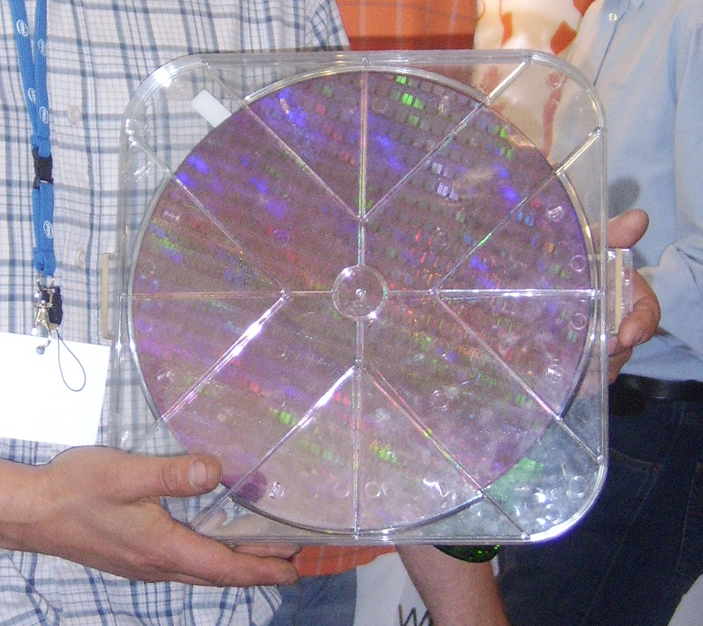
VLSI microcircuits fabricated on a 12-inch (300 mm) silicon wafer, before dicing and packaging. Image credit: By FxJ — Own work, Public Domain, https://commons.wikimedia.org/w/index.php?curid=4136822

In a story in Kommersant.ru, there have been claims that China is dumping defective VLSI chips on Russia.

Kommersant is a respected nationally distributed daily newspaper published in Russia mostly devoted to politics and business with a circulation of about 120,000.

It is quoting sources which say that:

“Domestic manufacturers of computers, phones, servers, and other electronics have faced an increase in supplies of defective components. According to them, the defect rate has increased from 2% to 40% since the start of military actions in Ukraine. Due to sanctions and logistical disruptions, importers have to create longer supply chains and purchase products not directly from factories, but through intermediaries and on exchanges, leading to a decrease in the degree of control over product quality, experts explain. They admit that the problem will lead to an increase in prices for domestic equipment”

A lot has happened since that story was published. Russia has expended hundreds of cruise missiles, it has been forced to source drones from Iran and there are suggestions that it is now using missiles that were manufactured in late 2022.

We are now finding fragments of missiles made at the end of 2022. This means that they were produced and immediately provided to the troops for strikes, — Vadym Skibitsky, on Telegram United24Media [ed: Vadym Skibitsky, is a representative of the Main Intelligence Directorate of Ukrainian Defense Ministry]

The Kommersant story continues:

The share of defective microchips and components in supplies to Russian companies from China has increased from 2% to 40% since the start of military actions in Ukraine, a source in the Russian electronics market told “Ъ”. In their opinion, the reason is that after the termination of official cooperation between foreign distributors and Russian partners, the latter began to establish their own channels for importing electronics and components through unofficial suppliers. “The increase in defects will double the final cost of Russian electronics and extend production times,” they note.

A top manager of a large Russian producer of electronics confirms the problem: the deficiency of components caused by logistical disruptions due to the pandemic has been exacerbated this year by sanctions. Manufacturers, according to “Ъ”’s source, are forced to purchase components from unauthorized suppliers who do not guarantee the quality of the products. Customers themselves have started to purchase components and equipment from abroad, which has increased competition for domestic producers, the source adds.”

OK, so Russians will have problems buying new appliances — even fridges and washing machines have chips in them nowadays.

“Importers have to create longer supply chains and purchase products not directly from factories, but through intermediaries and on exchanges, leading to a decrease in the degree of control over product quality, admits Nikolai Komlev, the CEO of the Association of Computer and Information Technology Enterprises. He doubts that the quality of Russian equipment will significantly decline, “after all, before assembling computers, microchips are tested, but rejected products are included in the price of the end products”.

If the defect rate has increased by 40%, it can be assumed, the expert says, that the costs in the price of the end product will also increase by 40% of the cost of components. According to a survey of the largest developers and manufacturers of computing equipment, including Aquarius, Business Office (iRU), ICL, New AI Project, Bulat, Atol, the presence of the aforementioned problem in terms of a sharp increase in the defect rate of components and, as a result, the rise in the cost of end products was confirmed by all respondents. According to the estimates of experts, the cost of Russian equipment will increase by 20–30%.”

You might be able to spot a defect in the report too. 2% to 40%, or a 40% increase?

No matter, let’s look on the bright side: the failure rate of semiconductors shipped from China to Russia has seemingly increased from 2% to 40% (that’s a 1,900 percent ramp-up) since the start of the Ukraine war.

Old chips?

Reports originating from Ukraine Intelligence suggested that every KH-101 missile uses 35 US-made IC chips with the clear implication that Russia could not produce suitable chips in its own economy. There is also speculation that these chips were sourced from China, or even recycled in Russia.
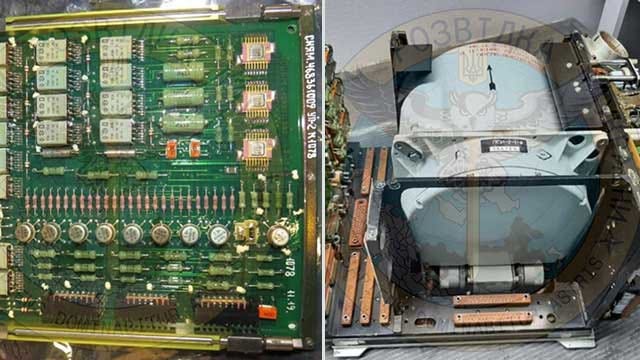
KH-101 missile innards. Image: Twitter

Earlier in 2022, the US Commerce secretary suggested that Russia was resorting to cannibalising white goods for chips.

Have Russian consumers really got any chance of buying a new washing machine that works?

Even a two percent defect rate is bad, because products made of many components will exhibit considerable quality problems as the defects compound.

A forty percent failure rates is a commercial disaster.

And forty percent is a peculiar expression of the “friendship without limits” that Moscow and Beijing jointly and proudly declared on February 4, 2022. Prior to the 2022 war, that is.

China does not entirely approve of Russia’s illegal invasion of Ukraine, which they express with delicate inscrutable diplomatic language.

However, every cloud has a silver lining and Russia’s pariah status as a manufacturing consumer economy (if it ever was) means that China’s export prospects dramatically improve at a time when many Western democracies have closed out dealing with the likes of Huawei and other high-tech Chinese companies for fear of another form of problem with the Chinese chips: hidden malware.

It doesn’t take a rocket scientist (any left in Russia?) to realise that Putin’s weapons manufacturers have a serious problem and it’s getting worse.

So Putin has had to run cap in hand to Iran and North Korea for supplies. China may supply chips (defective) but so far they have refused to supply weapons — as far as we know. Iran has shipped drones.

But would Iran ship chips when it can use them itself to build the finished product and make even more profit off Putin’s back?

The worry is what Putin will have to trade with the Ayatollah and Kim-jon Un to get his hands on the chips — if they have any to spare at all.

I don’t think that there are many washing machines in Pyongyang.

About me: If you follow me I guarantee variety in your inbox with some unusual perspectives! I write on a wide range of topics including humor, tech, space, geopolitics and travel, together with daily news events and the minutiae of my daily life living on a boat. Yes, I really do live on a boat (some readers don’t believe that). I also write about…

…chips with everything

If you appreciate stories like these and want to support other writers and me, consider signing up to become a Medium member. It’s only $5 a month, giving you unlimited access to incredible stories on Medium. If you sign up using my link below, I’ll earn a small commission at no extra cost to you.

Or maybe just buy me a coffee? and tell me what you liked reading (or not)…

Russia
Ukraine War Crimes
Missile
Weapon Technology
China Startup
Recommended from ReadMedium