
Documenting Difficult Social Issues in New Deal Style
The meaning of Works Progress Administration (WPA) for photographers and photojournalists: Would President Franklin Delano Roosevelt’s 1930s photojournalism program be worthwhile today?
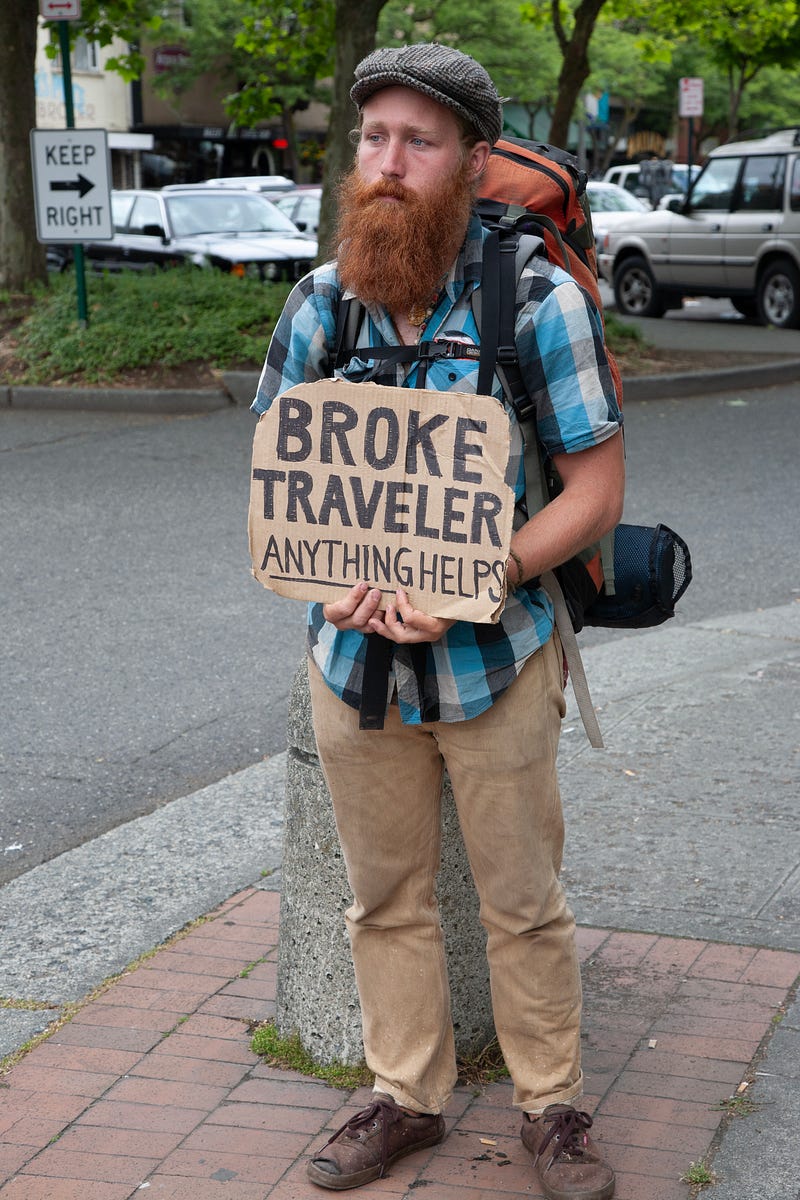
Editorial Note: This story includes sensitive real-life photos that might disturb some readers.
Imagine if a president, any president, gave photographers jobs documenting the social conditions at the current time anywhere there are challenges in the United States, such as homelessness, poverty, abandoned or shut down properties, and so forth. As a researcher and professional photographer, I have written a lot of photography from multiple angles.
Documenting social conditions during the Great Depression of the 1930s was one of many New Deal government programs initiated by The Farm Security Administration (FSA).
Photographers were hired for their skills to travel around the USA to shoot images that have become an important part of history. The program attracted some of the most famous twentieth-century masters that are included in my photography articles.
Today, journalists and photojournalists frequently document social challenges; however, they catch only what is deemed newsworthy by frequently biased media corporations.
Setting the Scene for Social Welfare through Job Creation
Fascism was showing its ugly face all over Europe. The German government’s objective of taking over the continent by uncaging a hateful ideology against religious freedom in the 1930s resulted in a horrific holocaust.
The years before World War II and after the Roaring Twenties caused world chaos. The United States economy collapsed, and the center of the country experienced a drought like no other. A river of humans flowed west to California.
The Great Depression Arrived. To wrestle the human struggles that haunted us, President Franklin D. Roosevelt (FDR) started the Works Progress Administration (WPA); the United States government envisioned an America that could be lifted from the Great Depression of the 1930s by having artists, musicians, and writers document life in the country to find out how to lift it from a gutter of economic and climate-caused calamities.
Some of the same circumstances as those in the United States that occurred Between the Wars era (the period between World War I and World War II) exist in the 2020s. At the top of Americans, minds are a flow of immigrants from the border to homelessness in US cities and towns.
The rise of populist leaders whose thinking has similar hate-propelling characteristics as those of 1930s Europe is resulting in playing a similar it’s-the-Jews blame game.
Their desire for authoritarian-strapping control of the government is to stop spending without any regard for supporting people less fortunate than they are.
FDR’s answer to the nation’s woes was to put people to work in fields they were experienced in to promote social awareness and awaken and document the harrowing times for the rich. At the time, “America has never again seen such obvious excess at a time of widespread poverty, which has cemented the reputation of 1930’s High Society into the stuff of legend” (“1930s High Society,” 2014).
What if?
Would this happen today? If so, what types of images would be created? As a photographer for the past two decades, I’ve never had any reservations about documenting subjects and objects related to topics from homelessness to preservation.
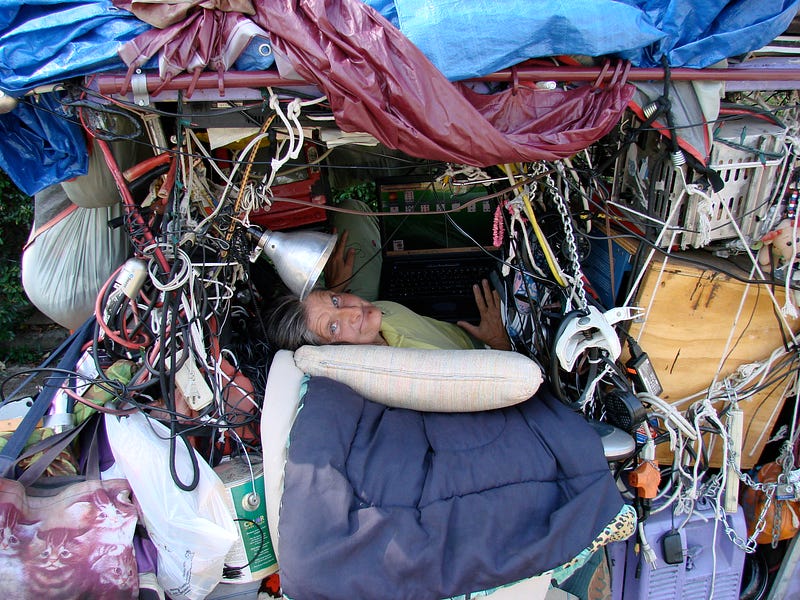
California’s number one challenge is homelessness, which is my concern's focus and was for many twentieth-century photographers. While programs for the homeless are in progress in the state, not much photography documentation is taking place.
If only there were a WPA today.
In a CNN op-ed, Paula M. Krebs, executive director of the Modern Language Association, reported, “The original WPA recognized that culture workers were as essential to the economy as bridge builders.
To respond to our current crisis, Congress should pass a further stimulus package that creates jobs directly, as did the WPA, and it should include job-creation money aimed at the arts and the humanities” (2020).
Such a social program feat would hardly be considered in today's world of media conglomerate rule. If FDR did it, why can’t we do it today?
“New Deal” Opens the Door for Photographers
Social programs of the New Deal in the 1930s grew alarmingly to rescue America in a deep depression and under the influence of a climate crisis that caused homelessness, displacement, and hunger.
Just after the beginning of the Great Depression, several federal government organizations offered relief from poverty and hunger (yes, there were bread lines).
The first was the Federal Emergency Relief Administration (FERA) in 1933, a precursor federal government program initiated by President Roosevelt—aided many from catastrophic losses of property and jobs.
More social programs came along in the 1930s. Artists, photographers, and writers weren’t excluded.
In 1935, Roosevelt created the RA (Resettlement Administration) by executive order, a resettlement program under intense government scrutiny to address rural poverty and a climate crisis caused by extreme drought in the plains states.
That same year, he also created the Works Progress Administration. “But in the depths of the 1930s, the idea of putting people on government payrolls instead of various forms of welfare was still fresh.
And Roosevelt was prepared to try it on a grand scale. The WPA was created to put 3.5 million Americans back to work at a cost of at least $5 billion in the first year” (Elving, 2020).
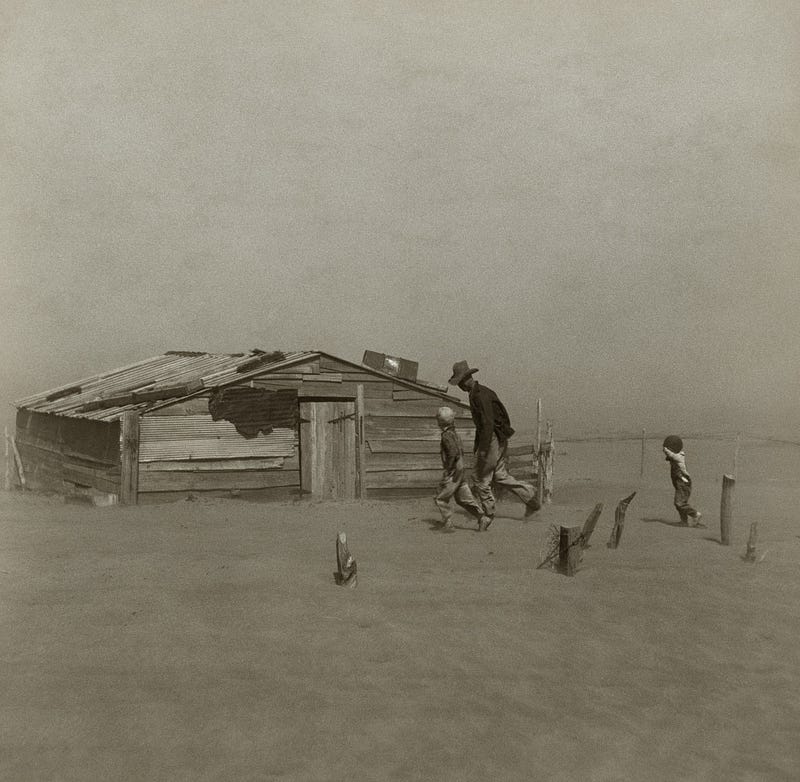
The organization was expanded to include documentary photography and renamed the FSA, the Farm Security Administration, in 1937. Under this program, most of the many images of rural America were shot to record the poverty and document how the RA was eliminating it by moving farmers to more profitable areas from the dust-strewn, drought-stricken plains states, often called the Dust Bowl.
“This U.S. government photography project was headed for most of its existence by Roy E. Stryker, formerly an economics instructor at Columbia University, and employed such photographers as Walker Evans, Dorothea Lange, Russell Lee, Arthur Rothstein, Ben Shahn, Jack Delano, Marion Post Wolcott, Gordon Parks, John Vachon, and Carl Mydans” (“Farm Security Administration/Office of War Information Black-and-White Negatives,” n.d.).
2010 Plan for Supporting Journalists
In 2010, a WPA-like idea developed by Robert McChesney and John Nichols was proposed and reputed by the City Journal, a publication of the conservative Manhattan Institute:
McChesney and Nichols model their $35 billion annual “public works” program for the press after the Works Progress Administration of the New Deal era. Their media WPA would include a “News AmeriCorps” for out-of-work journalists, a “Citizenship News Voucher” to funnel taxpayer support to struggling media entities, a significant expansion of postal subsidies, a massive new subsidy for journalism schools, corporate welfare for newspapers sufficient to pay 50 percent of the salaries of all “journalistic employees,” and more” (Thierer, 2010).
Thierer (2010) went on in his article about how unfathomable McChesney and Nichol’s proposal was, comparing it to “National Journalism Strategy,” a veritable industrial policy for the press that resembles a Soviet-style five-year plan.
Let’s Get To It — Proposing WPA Today
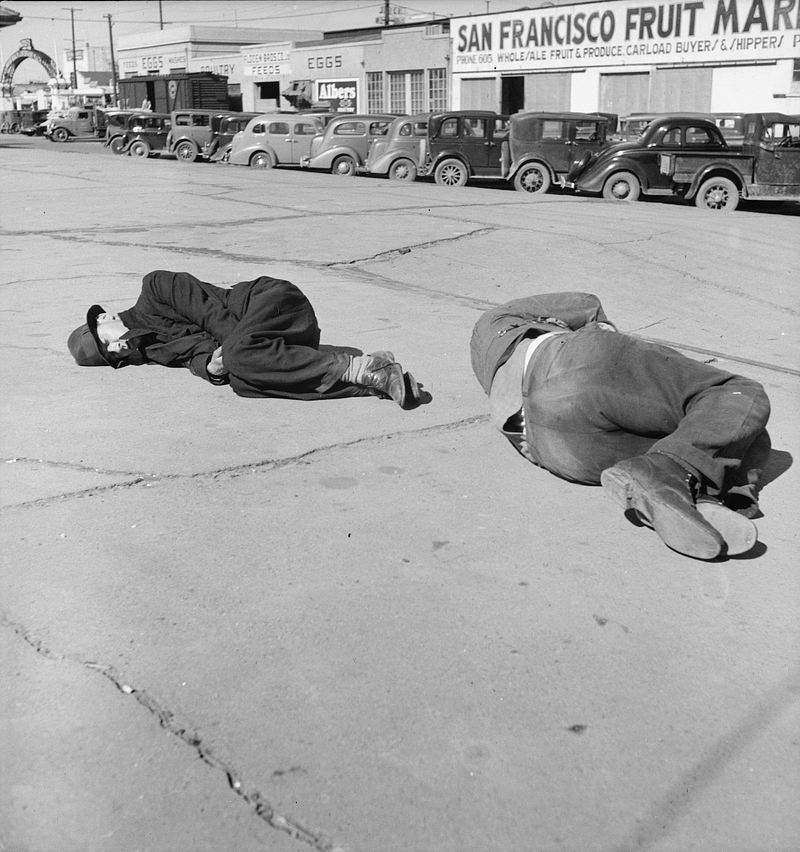
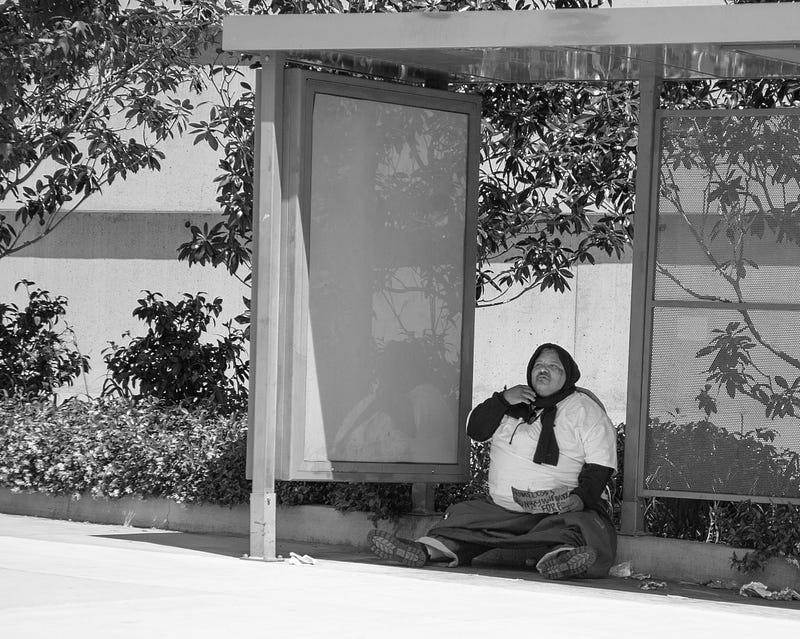
One fact can’t be disputed — the differences and causes of the social challenges that we fact today vs. those faced in the 1930s.
The two photos above illustrate the story.
Two photos illustrate the homeless situation in California in the 1930s vs that of the early 2000s. On the left is Skid Row in San Francisco; on the right is a bus stop in downtown Palm Springs.
The juxtaposition tells of other social ills that align with homelessness today, from those of mental illness to drug abuse, making the reasons for homelessness back then not nearly as complex.
WPA Photographer Dorothea Lange
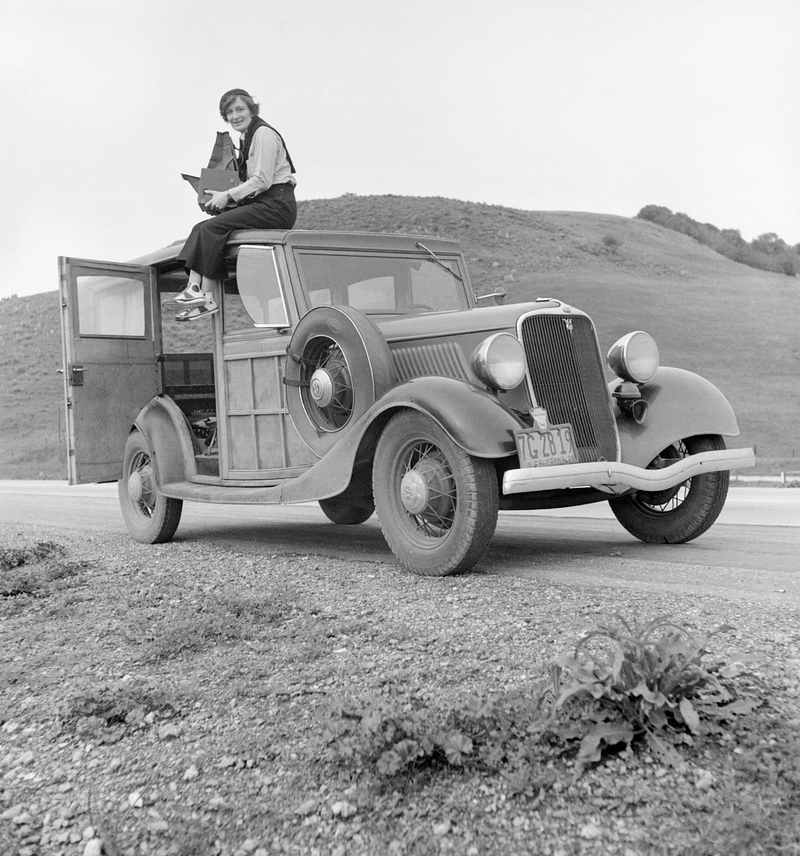
A discussion about social documentation would only be complete by explaining the effects of Dorothea Lange’s work on the craft’s development.
Lange presented the public with the story about the displacement of large groups of people as tenant farming replaced individuals owning their land and as a vicious drought rendered already compromised, over-farmed land from being unfarmable.
Tenant farming, the practice of land owners hiring agricultural workers to work on their farms, created an underclass of people working for a small daily wage.
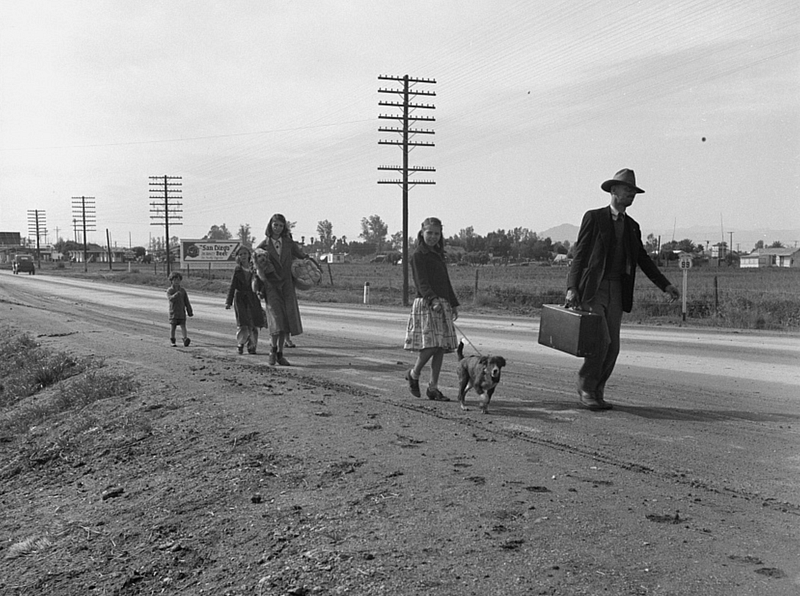
In An American Exodus (2000), photographer Dorothea Lange and writer Paul Schuster Taylor explained, “We have let them speak to you face to face.”
They meant that the rural poor now had a voice in Lange’s photographs.
Lange brought the plight of rural America to the public's eyes when major newspapers and magazines published her striking photos, some on the front and cover pages of their publications.
Federal arts programs spawned a wave of social documentation across the United States. Photographers were recruited to record the hardships people faced during the Great Depression in the big cities and rural areas.
Take Action by Photographing Today’s Challenges
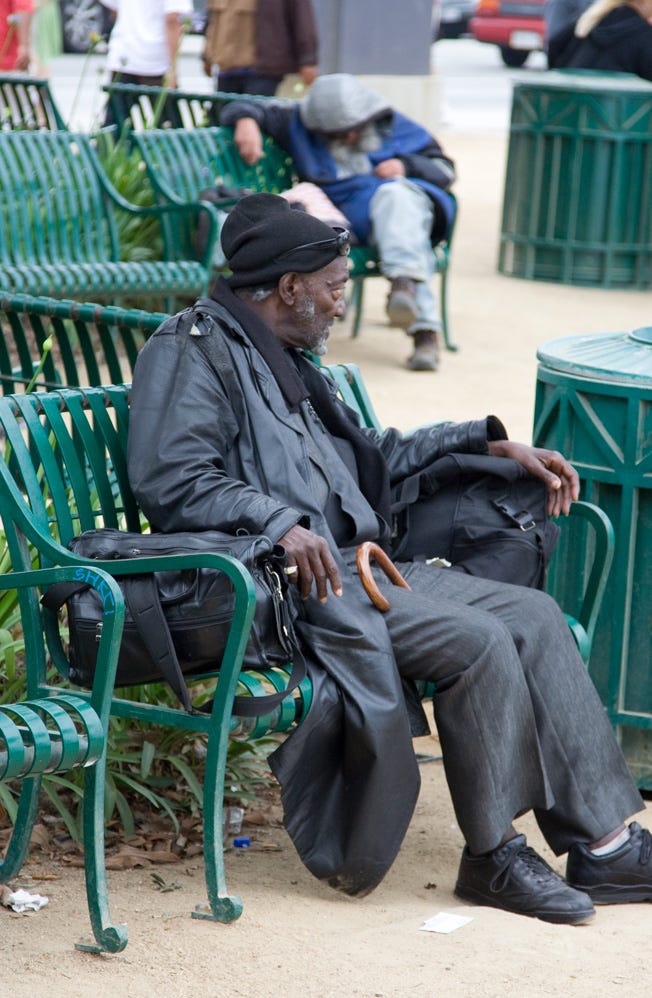
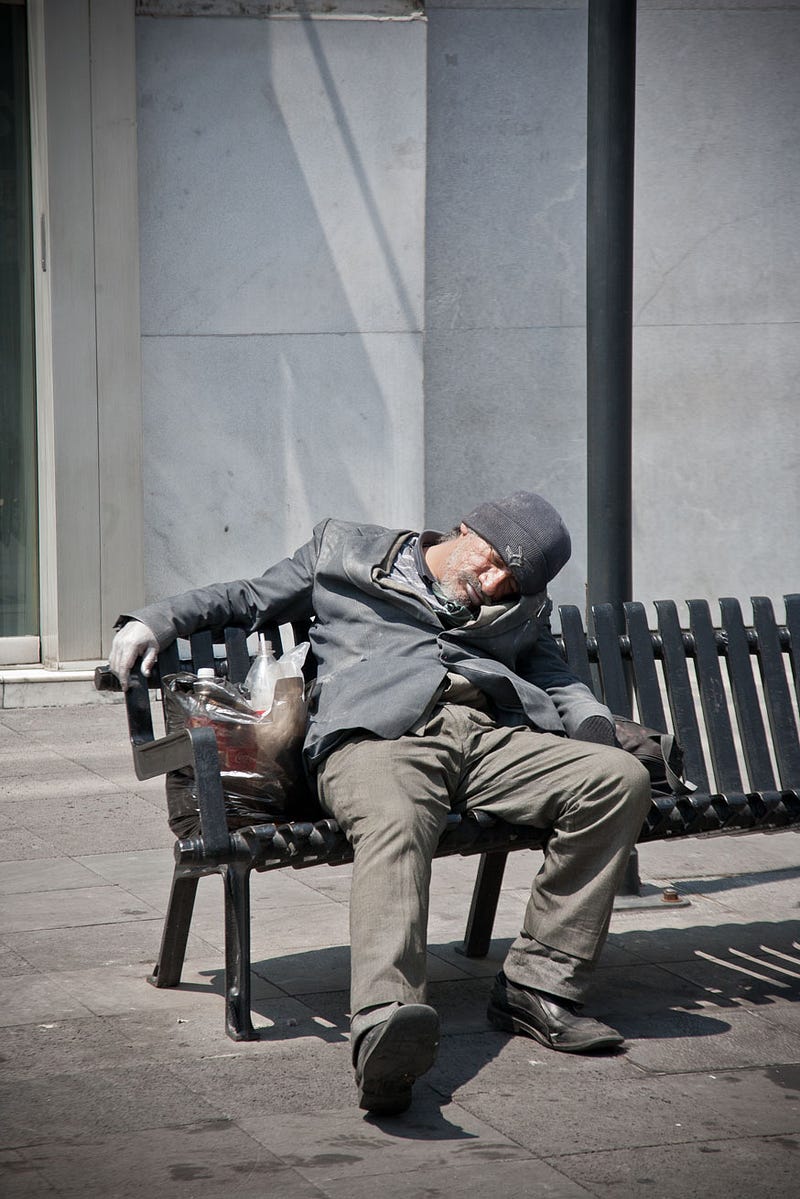
As a documentary photographer, I’ve focused on a few areas, from people to architecture, that tell stories of strife and destruction.
Homelessness in California is the primary area of interest. The larger picture would be skyrocketing property values and soaring rents, squeezing people into the streets.
Large corporations need to do much more to sponsor housing initiatives by collaborating with each other and homeless advocacy organizations. Photography allows us to tell the story of the scope of these plights.
Commercial real estate owners, nonprofits, and all levels of government have opportunities to use the numerous empty properties that dot American cities, large and small.
They won’t know the extent of the problem until they see them.
The proposal I have in mind is much like that of Robert McChesney and John Nichols’ (mentioned above) book: The Death and Life of American Journalism: The Media Revolution that Will Begin the World Again.
Homelessness = Injury, Sickness and/or Death
One of those killed in Cathedral City fire was homeless. Friends are mourning his loss
Recently, in Cathedral City, adjacent to Palm Springs, California, a building burned down where homeless souls had gathered to seek shelter.
One dead. One is too many.
‘Homelessness is lethal’: US deaths among those without housing are surging
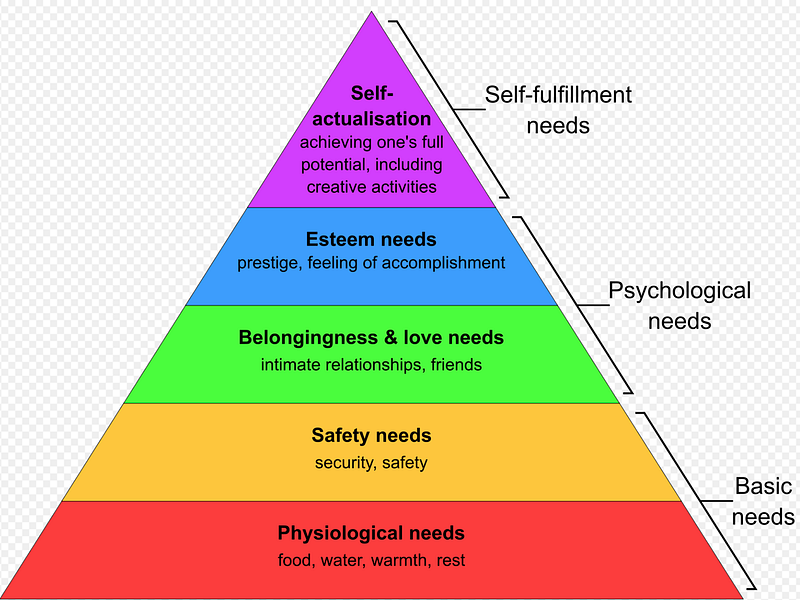
The dangers of not having a place to live can be infinite, resulting in a person losing every one of Maslow’s needs. This societal issue cannot be undermined and requires a collective effort to solve.
A Photographer’s Change of Heart
Photographer’s ‘Street People’ Series Aims to Show America the Plight of the Homeless
Today, a few photographers document everyday challenges people experience when walking on urban streets. One who does is 81-year-old Irving Greines, who once believed photographing them was wrong.
“As a photographer, I needed to capture what I was seeing…The conflict was real,” he says in an article by Matt Growcoot of PetaPixel (2023). The photos are riveting.
Today, he has had a change of heart after talking to homeless people and photographing them. “As a photographer, I needed to capture what I was seeing…The conflict was real,” he says.
If you don’t know how to begin a conversation when shooting, on the street, or elsewhere homeless people are, start with a greeting and a smile, then read below. Forming Relationships in Street Photography
It’s Not Only a Homeless Problem; It’s a Housing Crisis
Photographers in a new WPA could document empty storefronts, underground tunnels, and other spots where the unhoused sometimes create living spaces that become death traps in addition to homeless people.
WPA or not, there are nonprofit organizations photographers can join in advocating for WPA photography documentation work without the government's help.
Many of these organizations only have a few projects that deal with homelessness, with even fewer dealings with the housing crisis, the cause of homelessness in the United States.
Takeaways: Housing Crisis and Homelessness Documentary Photography
The truth is there is no WPA today, and the government's possibility of creating such an organization is nil.
Now is the time for documentary photographers to reach out to nonprofits and corporations to make them aware of the importance of the craft in finding solutions to the challenges that all people in the United States face.
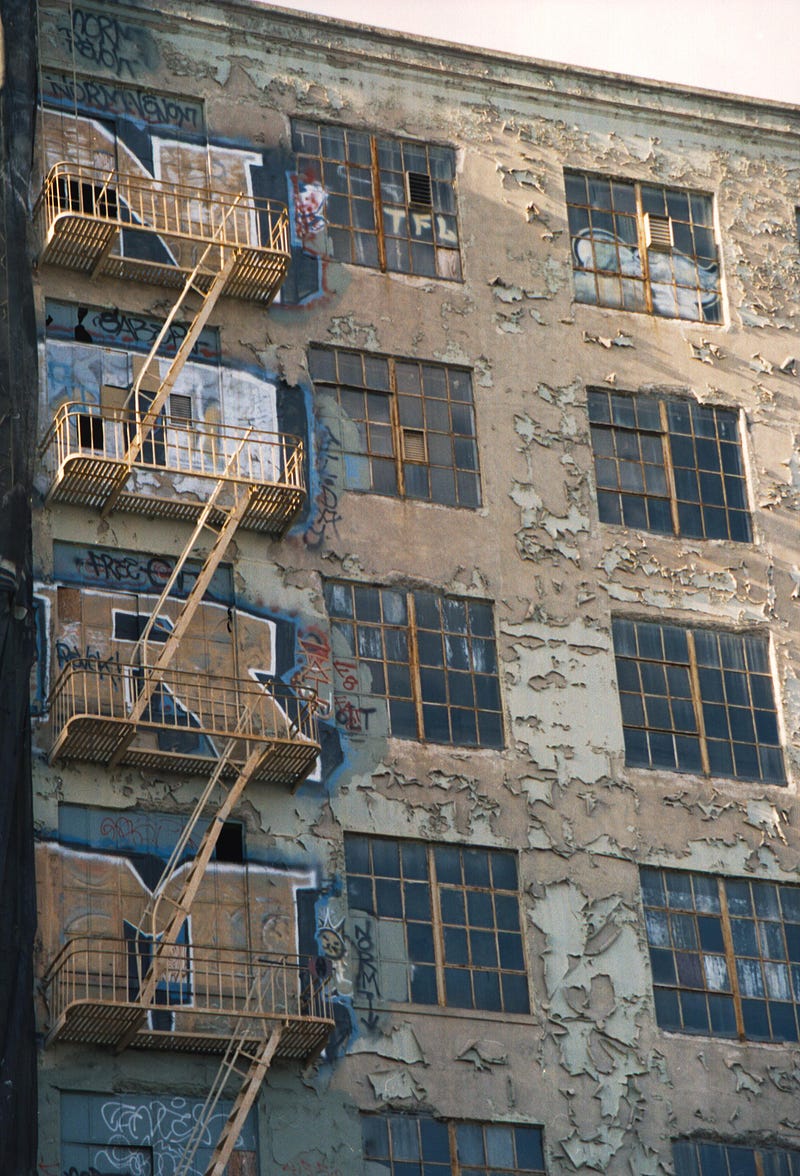
After all, any resident of a large city who is an amateur or professional photographer can’t ignore this issue by walking past people who have no homes or past empty storefronts and vacant buildings that could be housing possibilities.
Projects begin by communicating with homeless people. Approaching the down-and-out with a smile and a camera is a good start.
If that’s not your thing, take pictures of housing possibilities in your area, from abandoned buildings and vacant land to empty office space and storefronts.
Finally, on the positive side, affordable housing projects are being planned and built. Share the news. Take pictures of the possibilities to let people know the solutions.
Thank you for reading my story.
Organizations that Will Hear Your Documentary Photography Voice
Send ideas. Click on the links below.
Cited References
1930’s High Society. (2014). PBS https://www.pbs.org/opb/historydetectives/feature/1930s-high-society/index.html
Elving, R. (2020). In The 1930s, Works program spelled HOPE for millions of jobless Americans. NPR. https://www.npr.org/2020/04/04/826909516/in-the-1930s-works-program-spelled-hope-for-millions-of-jobless-americans
Farm Security Administration/Office of War Information Black-and-White Negatives. (n.d.). Library of Congress. https://www.loc.gov/collections/fsa-owi-black-and-white-negatives/about-this-collection/
Gregory, J. N. (2000). American Exodus [Editions Jean-Michel Place].
Krebs, P. (2020). Why we need a new WPA. CNN. https://www.cnn.com/2020/04/10/opinions/works-progress-administration-for-covid-19-crisis-humanities-krebs/index.html
Thierer, A. D. (2010) A media welfare state? We need a WPA for the press, Robert McChesney and John Nichols insist. https://www.city-journal.org/article/a-media-welfare-state


